 Installation guide
 Owner’s manual



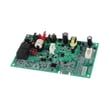
How do you do a hard reset on a GE dishwasher?
To hard reset a GE dishwasher like model GDT655SSJ5SS, we recommend cutting power to the dishwasher for a few minutes (breaker OFF, then back ON) to fully reboot the control. You can also cancel a running cycle by holding Start for 3 seconds, then restarting.
Hard reset steps (power reset)
- Turn the dishwasher OFF at the circuit breaker (or unplug it if it’s on a cord).
- Wait 3 to 5 minutes.
- Restore power.
- Press Start and close the door within a few seconds to begin a cycle.
For model-specific button behavior and cycle start timing, use the GDT655SSJ5SS owner’s manual.
Quick reset (cancel and drain)
If the dishwasher is stuck mid-cycle or you want to clear the current selection:
- Open the door and pause the cycle.
- Press and hold Start for 3 seconds.
- Close the door; the dishwasher should drain and end the cycle.
- Select a new cycle and press Start again.
If the reset doesn’t work
A “reset” won’t fix issues caused by a door not latching, a control lock, or a control problem. Check these common causes:
- Door not fully closed or latch not engaging
- Control lock enabled
- House breaker tripped again immediately
- Water supply valve under the sink turned off
- Display shows a leak-related message and the unit won’t run
What to check first (fast triage)
| Symptom | Most likely cause | What we do next |
|---|---|---|
| Won’t start at all | Door not latched, control lock, no power | Verify latch, unlock controls, confirm power |
| Starts then stops | Door opened, cycle interrupted | Press Start and close door |
| Random glitches | Control needs reboot | Do the power reset |
If you suspect an error code is involved, use our GE electronic dishwasher error codes guide.
Why it matters
A true power reset clears the control’s temporary memory and can restore normal operation after a glitch, power blip, or interrupted cycle, without replacing parts.
Last updated: January 2026
What is the average lifespan of a GE dishwasher?
A GE dishwasher typically lasts 10 to 12 years. For your GE GDT655SSJ5SS, that same 10 to 12-year average applies when it’s installed correctly, run with proper detergent and rinse aid, and the filters and spray arms are kept clean (see the care and cleaning section in the GDT655SSJ5SS owner’s manual).
What affects lifespan the most
- Water quality: hard water speeds up mineral buildup in the sump, spray arms, and heater area
- Filter maintenance: clogged filters strain the circulation system and reduce cleaning
- Loading habits: blocking spray arms or the detergent dispenser can cause repeat washes
- Detergent choice: using the wrong detergent (or too much) can cause suds and leaks
- Heat and drying use: frequent heated dry cycles add wear to heating and venting components
Simple maintenance that helps you reach the average (or beat it)
- Clean the filters about every other month (more often with heavy use)
- Run hot water at the sink until it’s hot before starting a cycle (target at least 120°F incoming)
- Keep spray arms clear; remove debris from the holes and check for cracks
- Use rinse aid to reduce spotting and improve drying
- Don’t overload; make sure the lower and middle spray arms can spin freely
Parts that commonly wear over time
These aren’t “scheduled replacements,” but they’re common wear items that can impact performance and longevity:
| Symptom | Likely area | Example compatible part for this model |
|---|---|---|
| Poor cleaning, gritty dishes | Filtration | User cleanable fine filter WD49X24057 |
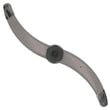
| Poor cleaning, weak spray | Spray system | Dishwasher spray arm, lower WD22X33499 |
| Not draining well | Drain system | Drain pump asm WD19X24829 |
Why it matters
Knowing the typical 10 to 12-year lifespan helps you decide whether to troubleshoot and replace a part (like a spray arm or filter) versus planning for a full dishwasher replacement, especially if multiple systems are wearing out at once.
Last updated: January 2026
What is the most common problem with GE dishwashers?
For the GE GDT655SSJ5SS dishwasher, we can’t identify a single “most common” failure from model-specific documentation alone. However, the issues customers most often troubleshoot on this platform are draining problems, not starting, and poor cleaning, and the GDT655SSJ5SS manual points to filters, drain setup, door latch, and water temperature as key checks. See the GDT655SSJ5SS owner’s manual for model-specific troubleshooting steps.
What the GDT655SSJ5SS manual highlights first
The troubleshooting section for this model family repeatedly points to a few high-impact basics:
- Filters need cleaning: clogged filters can cause gritty dishes and poor wash performance.
- Drain path setup matters: an air gap or high drain loop that’s clogged or installed incorrectly can affect draining.
- Start sequence and door closure: the cycle won’t start if the door isn’t closed and latched properly.
- Incoming water temperature: cleaning and drying suffer if water is below 120°F.
- Leak detection behavior: if “LEAK DETECTED” appears, the unit drains and stops.
Common symptom-to-cause map (practical troubleshooting)
| Symptom you notice | Most likely area to check first | What to do next |
|---|---|---|
| Water left in tub | Filters, air gap/high drain loop | Clean filters; check air gap; confirm disposer plug removed |
| Won’t start | Door closure, control lock, power | Close door firmly; unlock controls; check breaker/wall switch |
| Not cleaning well | Filters, loading, spray arms, water temp | Clean filters; reload; verify spray arms spin; run hot water first |
| Dishes don’t dry | Rinse aid, Heated Dry/Power Dry | Fill rinse aid; enable drying option; keep door closed after cycle |
When a part is more likely involved
If the basic checks don’t change the symptom, a component may be failing. For this model, these are common “next-step” parts to inspect based on the symptom:
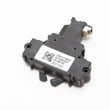
- Won’t start or starts intermittently: GE dishwasher door latch lock WD21X10490
- Not draining after checks: drain pump asm WD19X24829
- Poor wash action: dishwasher spray arm, lower WD22X33499
Why it matters
On the GDT655SSJ5SS, many performance complaints trace back to maintenance and installation factors (filters, drain routing, water temperature). Addressing those first can prevent repeat cycles, odors from standing water, and unnecessary part replacement.
Last updated: January 2026





