Owner’s manual
 Error Codes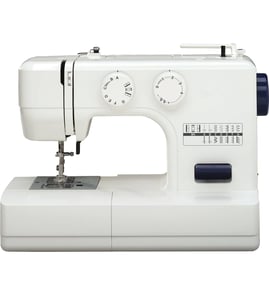

How old is a Kenmore 38516524000 sewing machine?
The Kenmore sewing machine model 385.16524000 is as old as its original purchase date; the model number alone does not encode a single build year. To estimate age, we use the serial number and the documentation that came with the machine, starting with the 38516524000 owner's manual.
How to estimate the age (fast checks)
- Check the original receipt or any warranty paperwork for the purchase date.
- Look for a serial number label on the machine body (often on the back, underside, or near the power cord area).
- Compare your machine’s included accessories and features to the manual’s parts and accessory lists.
- If you have the box or paperwork, check for a print date on the manual or inserts.
- If the machine has been serviced, review any service tags for dates.
Where to find the model and serial number
Most Kenmore mechanical sewing machines list the model clearly (your manual shows Model 385.16524000). The serial number is typically on a separate sticker or plate.
| Item | What it tells you | Where to look |
|---|---|---|
| Model number (385.16524000) | Identifies the exact machine design and parts family | Front badge, underside label, or manual cover |
| Serial number | Used to narrow down manufacturing run and approximate year | Back, bottom, or near the power connection |
| Purchase date | Best indicator of “how old” it is in real use | Receipt, warranty paperwork |
Why it matters
Age helps us match the right sewing machine parts and maintenance steps for your Kenmore 385.16524000, especially for wear items and tune-up needs (cleaning lint, checking the hook/shuttle area, and verifying smooth feed dog movement).
Helpful maintenance note for older machines
If the machine has been stored, we follow the manual’s safety guidance: unplug before cleaning or servicing, then run the machine briefly on scrap fabric and wipe any excess oil residue.
Last updated: February 2026
What is the most trouble-free sewing machine?
The most trouble-free sewing machine is usually a simple, well-maintained mechanical model with solid metal drive parts and easy-to-adjust tension. Your Kenmore 38516524000 is a mechanical sewing machine, and machines in this style typically stay reliable because they have fewer electronic components to fail (routine cleaning and correct threading matter most).
What “trouble-free” really means
A sewing machine feels trouble-free when it consistently forms balanced stitches and feeds fabric smoothly without frequent jams, skipped stitches, or thread nests.
Common traits of low-hassle machines:
- Mechanical controls (dials and levers) instead of complex electronics
- Strong motor and steady speed control
- Easy access for cleaning lint from the bobbin area
- Standard needle system and common bobbins
- Clear threading path and tension adjustment
Best picks by user type (simple comparison)
| User need | Most trouble-free choice | Why it stays reliable |
|---|---|---|
| Beginner, basic repairs | Mechanical machine like Kenmore 38516524000 | Fewer electronics; straightforward setup |
| Heavy fabrics (denim, canvas) | Heavy-duty mechanical model | More torque; sturdier feed system |
| Quilting and decorative stitches | Quality computerized model | Convenience features; consistent stitch control |
How to keep your Kenmore 38516524000 running with fewer problems
We see most “machine problems” come from setup, needles, and lint, not major failures.
Do these basics:
- Rethread the upper thread with the presser foot up (opens the tension discs)
- Insert a new needle and match needle type/size to fabric
- Use good-quality thread; old or fuzzy thread sheds lint and breaks more
- Clean lint from the bobbin area and feed dogs regularly
- Do not pull fabric while stitching; let the feed dogs move it
For model-specific threading, cleaning points, and safety steps, follow the owner's manual.
Why it matters
A “reliable” machine is the one that matches your fabric and stitch needs; using the wrong needle, thread, or tension creates repeated jams and broken needles even on a high-end brand.
Last updated: February 2026
What is the average lifespan of a sewing machine?
A sewing machine typically lasts 15 to 25 years, and a well-maintained mechanical model like the Kenmore 38516524000 commonly runs for decades. Regular cleaning, correct lubrication, and avoiding forced operation are the biggest factors that extend service life (and prevent skipped stitches and tension issues).
Typical lifespan by machine type
| Machine type | Typical lifespan | What usually ends the life |
|---|---|---|
| Mechanical sewing machine | 20 to 40+ years | Wear in gears/bearings, lack of lubrication, damage from jams |
| Computerized sewing machine | 10 to 20 years | Electronic board failures, display/keypad issues |
| Heavy-use or commercial use | 5 to 15 years | High duty cycle wear, heat, frequent timing/tension drift |
What matters most for the Kenmore 38516524000
Your model is a mechanical sewing machine, and the manual emphasizes safe maintenance practices such as unplugging before removing plates or lubricating. Use the maintenance and lubrication guidance in the owner's manual to keep internal mechanical parts running smoothly.
How to make a sewing machine last longer
- Clean lint from the bobbin area and feed dogs regularly (lint buildup drives wear and timing problems).
- Use the correct needle type and size for the fabric to reduce strain on the motor and hook.
- Rethread the upper thread and bobbin carefully when you see looping or tension changes.
- Oil only the points specified for your model; over-oiling can attract lint and cause gumming.
- Stop immediately if the machine binds or jams; forcing the handwheel can knock the timing out.
- Store it covered and dry to prevent corrosion and stiff controls.
Signs it is nearing end-of-life (or needs service)
- Frequent thread nests under the fabric even after correct threading
- Loud knocking, grinding, or a handwheel that feels tight
- Inconsistent stitch length or skipped stitches across multiple fabrics
- Tension that will not stabilize after cleaning and rethreading
Why it matters
A longer lifespan is mostly about reducing friction and preventing damage during jams. Mechanical machines reward routine care because they rely on precise alignment of the needle, hook, and feed system.
Last updated: February 2026