


What is the average lifespan of a KitchenAid dishwasher?
A KitchenAid dishwasher typically lasts 10 to 14 years. For your KitchenAid KDTE234GPS1, lifespan depends most on water quality, how often it runs, and routine care like cleaning filters and keeping spray arms clear.
What affects dishwasher lifespan most
- Hard water and scale: mineral buildup strains the heating system and wash performance.
- Drain health: slow draining makes the pump work harder and can leave standing water.
- Door sealing and leaks: even small leaks can damage components over time.
- Loading habits: overloading blocks spray and increases motor load.
- Detergent use: too much detergent can cause excess suds; too little reduces cleaning and can leave residue.
Maintenance that helps you reach the 10 to 14 year range
- Run a monthly cleaning cycle using a dishwasher cleaner; follow the steps in how to clean and maintain your dishwasher.
- Check that the unit drains fully; if it does not, use dishwasher not draining video to troubleshoot.
- Keep the door sealing surfaces clean and inspect the lower seal for damage.
- Make sure the spray arms spin freely and are not clogged.
- Use rinse aid if you have hard water to reduce spotting and mineral deposits.
Parts that commonly impact longevity (when symptoms show up)
| Symptom | Likely system | Example part for KDTE234GPS1 |
|---|---|---|
| Not drying well, water stays cool | Heating | Element assembly W10703867 |
| Won’t drain or drains slowly | Drain | Dishwasher drain pump W10876537 |
| Not filling or fills slowly | Water supply | Valve-water W11175771 |
Why it matters
A dishwasher that is cleaned regularly and drains correctly runs with less strain on the pump, heater, and seals. That reduces breakdowns and helps your KDTE234GPS1 reach its expected service life.
Last updated: January 2026
What's a reasonable price for a dishwasher?
A reasonable price for a dishwasher is typically $500 to $1,000 for the best balance of cleaning performance, noise level, and durability; that range fits many KitchenAid models like KDTE234GPS1. Budget units usually cost less but run louder and have fewer wash and dry features.
Typical price ranges (what you get)
- $300 to $600 (basic): louder operation, fewer cycles, simpler drying, more plastic components
- $500 to $1,000 (mid-range): quieter, better racks and wash options, improved filtration and drying
- $800 to $1,500+ (premium): very quiet, upgraded drying systems, more adjustability, added convenience features
| Price range | Best for | Common tradeoffs |
|---|---|---|
| $300 to $600 | Light use, tight budgets | More noise, fewer features |
| $500 to $1,000 | Most households | Fewer premium extras |
| $800 to $1,500+ | Quiet kitchens, heavy use | Higher upfront cost |
What to compare before you buy
- Noise rating (dBA): lower is better if your kitchen is open to living space
- Tub material: stainless tubs usually resist odors and dry better than plastic
- Drying performance: look for enhanced drying options if you run lots of plastics
- Rack adjustability: helps fit tall items and improves loading flexibility
- Repairability: check availability of common wear parts like a dishwasher door latch WPW10653840 or dishwasher drain pump W10876537
Why it matters
Dishwashers in the mid-range usually cost less over time because they run quieter, clean more consistently, and tend to have better rack hardware and wash systems, which reduces rewash cycles and service calls.
Last updated: January 2026
How many decibels is a KitchenAid KDTE234GPS1?
The KitchenAid KDTE234GPS1 dishwasher typically runs at about 46 dBA (decibels adjusted), which is considered quiet for a built-in dishwasher. In most kitchens, that sound level blends into normal conversation and background noise.
What 46 dBA sounds like in real use
- You may hear a soft water-swish during wash and rinse.
- Drain periods can sound slightly louder for a short time.
- If the dishwasher is installed next to a hard-surface wall or cabinet, sound can reflect more.
- A loose toe-kick panel or insulation can make normal operation seem louder.
Quick sound-level comparison
| Sound level (dBA) | What it’s like | What you’ll notice |
|---|---|---|
| 40 to 44 | Very quiet | Often only noticeable in a silent room |
| 45 to 49 | Quiet | Light wash noise, usually not distracting |
| 50 to 55 | Moderate | Clearly audible in nearby rooms |
If your KDTE234GPS1 seems louder than normal
Before assuming a motor or pump problem, we recommend these checks:
- Make sure the dishwasher is level and firmly secured in the cabinet.
- Confirm spray arms spin freely and are not hitting tall items.
- Clean the filter area and remove debris that can cause grinding.
- Check that the drain hose is routed correctly and not vibrating.
- Inspect the lower rack rollers and adjusters for wobble or binding (a rough-moving rack can sound like a wash noise).
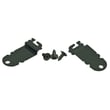
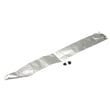
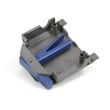
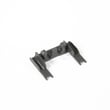
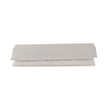
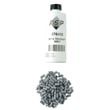
Helpful parts to inspect if you hear rattling or scraping:
Why it matters
Dishwasher noise is one of the fastest ways to spot a developing issue. A steady, quiet wash sound is normal; new grinding, clicking, or loud draining often points to a loading issue, a loose panel, or a worn rack component rather than a major failure.
Last updated: January 2026
What is the most common problem with the KitchenAid dishwasher?
For the KitchenAid KDTE234GPS1 dishwasher, the most common problem we see is poor cleaning (dishes still dirty) caused by restricted water flow or wash action, usually from buildup in the filter area, spray arms, or a draining issue that leaves debris in the sump.
Most common symptoms customers notice
- Food particles left on glasses and plates after the cycle
- Cloudy film or gritty residue on dishes
- Upper rack not cleaning as well as the lower rack
- Standing water or debris in the bottom after the cycle
- Longer-than-normal cycles or intermittent stopping with an error code
Quick checks that fix many “not cleaning” complaints
- Clean the filter area and sump: Remove debris so the circulation system can move water at full pressure.
- Inspect spray arms: Make sure holes are not clogged and arms spin freely (no tall items blocking them).
- Confirm proper fill: Low water fill reduces spray pressure; if the unit is not filling well, the inlet valve can be the cause.
- Use the right detergent and rinse aid: Too much detergent can leave residue; too little can reduce cleaning.
- Load for water access: Avoid nesting bowls and blocking the detergent dispenser door.
When it points to a part (common on this style of dishwasher)
| What you observe | Most likely area | Example part that can be involved |
|---|---|---|
| Poor cleaning plus weak spray sound | Wash circulation system | Circulation pump, sump and motor assembly |
| Not filling or fills slowly | Water supply/inlet | Valve-water W11175771 |
| Not draining well, water left in tub | Drain system | Dishwasher drain pump W10876537 |
| Not drying well, water remains on dishes | Heating circuit | Element assembly W10703867 |
Error codes can narrow it down fast
KitchenAid dishwashers often store fault codes that point to fill, drain, heating, or wash-motor issues. Use our KitchenAid he dishwasher error codes reference to match the code to the most likely failure and next steps.
Why it matters
Poor cleaning is usually a flow problem: when water cannot circulate at the right pressure (or cannot drain away), soil gets redeposited and performance drops quickly. Catching it early helps prevent pump strain, odors, and repeat clogs.
Last updated: January 2026