


Where can I find my lawn mower engine model number?
On a Craftsman lawn and garden engine like model 143005510, the engine model number is usually stamped or printed on the engine shroud or a metal tag near the muffler and spark plug area. We use that number to match the correct carburetor, ignition, and fuel system parts.
Common places to check on the engine
Look for a stamped plate, decal, or etched numbers in these spots:
- On the sheet metal next to the muffler
- Near the spark plug area on the engine shroud
- On or near the recoil starter housing
- Under the top engine cover (shroud), if the label is hidden
- On the blower housing (the outer housing around the flywheel)
Tips to make the number easier to read
Dirt and oil often hide the stamping. This quick cleanup usually helps.
- Let the engine cool completely before touching the muffler area
- Wipe the area with a rag and a mild degreaser
- Use a flashlight at a low angle to highlight stamped numbers
- Take a close-up photo and zoom in to read faint characters
- Write down the full number exactly as shown (including dashes or extra digits)
What to do once you find it
Use the model number to confirm the exact parts list for your engine and avoid ordering the wrong carburetor or ignition components.
| What you found | What it helps with | Example part you can match |
|---|---|---|
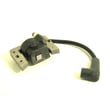
| Engine model number | Correct parts breakdown | Ignition module 34443D |
| Carburetor numbers (if present) | Carburetor-specific parts | Needle seat 631021B |
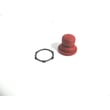
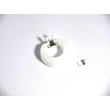
| Primer bulb style/color | Fuel priming parts match | Craftsman lawn & garden equipment engine carburetor primer bulb (red) 640259 |
Why it matters
Small-engine parts are highly model-specific. A correct model number helps ensure the right fit for fuel line routing, carburetor rebuild components, and ignition timing parts.
Last updated: February 2026
What engine does Craftsman riding mower use?
The Craftsman 143005510 model number on this page is an engine model, not a complete riding mower. That means it does not map to one specific mower configuration (deck size, transmission, seat, turning radius); it identifies the replacement parts for the engine itself, such as carburetor and ignition components.
How to identify the engine used on your specific Craftsman riding mower
Use the mower’s product label to match the mower to its original engine family and parts:
- Find the mower model number (usually under the seat, on the frame, or near the rear fender)
- Find the engine model and spec numbers stamped on the engine shroud or valve cover
- Match the engine model/spec to the correct parts list (this page is for 143005510)
- If the mower has been repowered, use the current engine numbers, not the mower’s original model
- Compare key engine features: primer bulb vs choke, carburetor style, starter type
Helpful reference for locating the right ID tags: how to find your appliance model number (and what it means for parts)
What this 143005510 engine parts page tells you (and what it does not)
This page supports a Craftsman lawn and garden engine identified as 143005510. It helps you service common engine systems like fuel delivery, starting, and ignition.
| System | Common parts you may need | Example part on this page |
|---|---|---|
| Fuel / carburetor | primer bulb, fuel line, rebuild parts | Craftsman lawn & garden equipment engine carburetor primer bulb (red) 640259 |
| Ignition | ignition module (coil) | Ignition module 34443D |
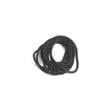
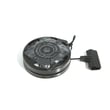
| Starting | recoil rope, starter housing | Craftsman lawn & garden equipment engine recoil starter rope, 98-in 590535 |
Why it matters
Riding mower listings often describe a mower by horsepower and deck size, but engine parts must match the exact engine model/spec. Using the correct engine ID prevents hard-starting, fuel leaks, and poor performance after repairs.
Last updated: February 2026
What are the common problems with Craftsman lawn mowers?
Common Craftsman lawn mower problems usually come down to fuel delivery, ignition, or airflow. On Craftsman engine model 143005510, the most frequent issues are hard starting, surging, stalling under load, and fuel leaks, which often trace back to the carburetor, fuel line, primer bulb, or ignition module.
Most common symptoms and what they point to
- Won’t start or starts then dies: stale fuel, clogged carburetor passages, restricted fuel line
- Surges at idle: dirty carburetor, air leak at a gasket or O-ring
- Runs rough or lacks power: restricted airflow, fuel restriction, ignition weakness
- Fuel smell or wet spots: cracked primer bulb, leaking fuel line, worn carburetor O-ring
- Hard pull start: starter rope wear, recoil issues, possible engine mechanical drag
Quick checks we recommend first
- Use fresh fuel (old fuel is the top cause of no-start after storage).
- Verify the air intake path is clear and the filter area is not packed with debris.
- Check the spark plug condition and gap (replace if fouled).
- Inspect for fuel leaks around the carburetor and tank.
- Confirm the throttle and choke linkages move freely.
Parts that commonly fix these problems (for model 143005510)
If your symptoms match, these model-matched parts are common solutions:
| Symptom | Likely area | Part to consider |
|---|---|---|
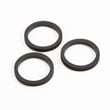
| Fuel leak at carb | Seals/O-rings | Lawn mower o-ring 631028A |
| Won’t prime, fuel seepage | Primer bulb | Craftsman lawn & garden equipment engine carburetor primer bulb (red) 640259 |
| Starts then dies, surging | Carb internals | Tecumseh lawn and garden equipment engine carburetor rebuild kit 632760B |
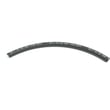
| Fuel starvation | Fuel supply | Craftsman lawn & garden equipment engine fuel line 29774 |
| No spark, intermittent spark | Ignition | Ignition module 34443D |
Why it matters
Small engine problems often stack up. A minor air leak (O-ring) plus slightly restricted fuel flow (fuel line) can make the engine surge, stall, and become hard to start. Fixing the root cause prevents repeated no-starts and reduces plug fouling.
Last updated: February 2026