Error Codes


Are GE side-by-side refrigerators good?
GE side-by-side refrigerators, including model TFX22ZRSMWW, are a solid choice for everyday reliability and easy food access; the side-by-side layout keeps both fresh and frozen items at eye level. Most owners value the storage flexibility and dispenser convenience, with ice maker noise or slow production being the most common tradeoff.
What “good” usually means for a side-by-side
- Convenience: refrigerator and freezer items are both easy to reach.
- Organization: adjustable shelves and door bins make it simpler to fit tall items.
- Features: many models include an ice and water dispenser.
- Serviceability: common wear parts (like dispenser and ice maker components) are replaceable.
- Tradeoffs: freezer side can be narrower than a top-freezer or French door design.
Quick pros and cons comparison
| Category | GE side-by-side strengths | Common drawbacks |
|---|---|---|
| Daily use | Easy access to both compartments | Narrower freezer shelves for wide boxes |
| Storage | Adjustable shelving and bins | Less “wide open” space than French door |
| Ice and water | Convenient through-the-door dispensing | Ice maker can be noisy or slow |
| Ownership | Many parts are replaceable | Older units may need periodic maintenance |
If your “good” depends on ice and water performance
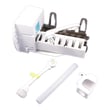
If ice production is slow, clumpy, or the dispenser acts up, focus on the ice maker and dispenser hardware first.
- Inspect the ice bucket and chute area for frost buildup or jams.
- Confirm the freezer temperature is cold enough for steady ice production.
- Check for dispenser door sealing issues that let humid air in.
- If the ice maker stops cycling, replacement is often the most direct fix.
Helpful model-matched parts to consider:
Why it matters
A “good” refrigerator is one that matches how you store food and how often you use ice and water. Side-by-side models excel at access and organization; if dispenser performance is a priority, keeping the ice path sealed and the ice maker healthy makes the biggest difference.
Last updated: January 2026
Is there a 30 wide side-by-side refrigerator?
Yes. You can buy 30-inch-wide side-by-side refrigerators, but they are less common than 33-inch and 36-inch models. If you are comparing to your GE TFX22ZRSMWW, measure your cabinet opening carefully (width, height, depth, and door-swing clearance) before choosing a replacement.
What “30-inch wide” usually means
Most manufacturers list width as the cabinet width, not the space you need to operate the doors and pull out bins.
- Plan for extra clearance on the hinge side so doors open fully
- Confirm depth with doors and handles (depth varies a lot)
- Check height to the top of the hinge cover, not just the case
- Verify the electrical outlet location and cord reach
- If you have an ice maker or water dispenser, confirm a water line is available
Quick size comparison (typical)
| Refrigerator style | Common widths | Notes |
|---|---|---|
| Side-by-side | 30, 33, 36 inches | 30-inch options exist but selection is smaller |
| Top freezer | 28 to 33 inches | Often the easiest fit in tight spaces |
| French door | 30, 33, 36 inches | 30-inch models are more common than 30-inch side-by-side |
Why it matters
A 30-inch side-by-side can fit older, tighter kitchen cutouts, but the narrower cabinet can reduce freezer and fresh-food shelf width. Door clearance and handle depth are the two most common “surprise” fit issues.
If your current unit has ice and water features
If you are staying with a side-by-side and want ice through the door, keep your existing system in mind when shopping and troubleshooting. For example, dispenser and ice maker issues on GE units often trace back to the ice maker, chute door, or dispenser mechanism.
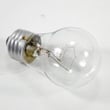
- If your ice maker is not producing ice, start with the refrigerator ice maker WR30X10093
- If the ice chute door is not sealing and frost builds up, check the dr reces asm WR17X11653
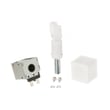
- If crushed ice stops dispensing, the refrigerator solenoid WR62X23154 is a common actuator in the dispenser system
- For step-by-step access to dispenser components, use how to disassemble the ice and water dispenser on a GE refrigerator
Last updated: January 2026
Why is my GE side-by-side freezing up?
Your GE TFX22ZRSMWW side-by-side refrigerator “freezing up” is caused by frost buildup that blocks airflow (defrost system issue), warm air leaking in through a door seal, or ice forming in the dispenser area from a slow water seep. Fixing the root cause stops repeat icing.
Quick checks we recommend
- Set temps to a normal baseline: 0°F freezer, 37°F fresh food.
- Make sure both doors close fully and gaskets seal all the way around.
- Keep food packages from blocking interior air vents.
- Check the freezer back wall for heavy frost or a solid ice sheet.
- If the problem is at the dispenser, watch for dripping that can refreeze in the tube.
Common causes and the parts that relate
| What you see | Most likely cause | What to check |
|---|---|---|
| Heavy frost on freezer back wall | Defrost system not clearing frost | Defrost thermostat, defrost timer |
| Fresh food freezing near vents | Airflow restriction or settings too cold | Unblock vents, raise fresh food temp slightly |
| Ice buildup at dispenser chute | Chute door not sealing | Chute door kit, flap movement |
Defrost system problem
When the defrost system fails, frost coats the evaporator and airflow drops; temperatures become erratic and ice accumulates.
Dispenser chute or line icing
A chute door that does not seal lets humid air in and creates frost; a slow seep can also freeze in the dispenser tube.
Why it matters
Ice and frost buildup reduces airflow, forces longer run times, and can lead to warm spots or frozen food. Correcting the defrost, door-seal, or dispenser issue restores stable temperatures.
Helpful DIY guidance
Last updated: January 2026