Error Codes


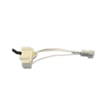
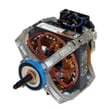
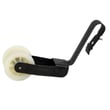
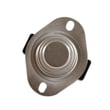
Can I search for Whirlpool parts by model?
Yes. For your Whirlpool gas dryer model LGC8858EQ2, searching by the full model number is the most reliable way to get compatible replacement parts because it filters results to the exact diagrams and part listings built for that dryer.
How to search by model number (best practice)
- Use the complete model number exactly as shown: LGC8858EQ2.
- Start with the most common wear items first (belt, door switch, idler pulley) if you are troubleshooting a symptom.
- Match the part by name and part ID, not just by how it looks.
- If multiple versions appear, choose the one listed for LGC8858EQ2.
- When in doubt, compare your old part markings to the listing details before ordering.
Common LGC8858EQ2 parts customers search for
These are frequent fixes for “won’t start,” “no heat,” or “noisy” complaints:
| Symptom | Likely part to check | Example part for this model |
|---|---|---|
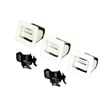
| Dryer won’t start | Door switch | Door switch WP3406107 |
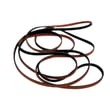
| Drum won’t tumble | Belt or idler pulley | Drum belt 341241 |
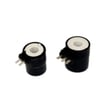
| No heat or heat cuts out | Gas ignition components | Dryer valve coil kit 279834 |
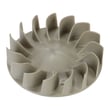
| Loud rumbling/squeal | Blower wheel or drum support parts | Dryer blower wheel WP694089 |
Why it matters
Whirlpool often uses similar-looking parts across many dryer lines, but mounting tabs, wire terminals, and gas ignition components can vary. Searching by LGC8858EQ2 helps prevent ordering a part that fits a different Whirlpool dryer but not yours.
Last updated: February 2026
What is the life expectancy of a Whirlpool dryer?
A Whirlpool dryer like model LGC8858EQ2 typically lasts 10 to 13 years with normal household use. With consistent maintenance (especially airflow and lint control) and avoiding overloads, it’s common to reach the upper end of that range.
Typical lifespan and what changes it
Most Whirlpool gas dryers fall into a predictable lifespan range; the difference is usually maintenance and operating conditions.
- 10 to 13 years: typical life expectancy
- Shorter lifespan: restricted venting, frequent overloading, high-heat cycles for every load
- Longer lifespan: good airflow, routine cleaning, prompt repair of small issues
| Usage and care level | What you’ll usually see | What it means |
|---|---|---|
| Heavy use + poor airflow | Earlier failures | More heat stress on thermostats, motor, and gas ignition parts |
| Average use + basic care | Typical lifespan | Normal wear on belt, rollers, and controls |
| Average use + strong maintenance | Longer service life | Fewer overheating events and less strain on moving parts |
Maintenance that most improves dryer life
These steps reduce overheating and mechanical strain, which are the two biggest lifespan killers in a gas dryer.
- Clean the lint screen every load
- Keep the vent run short and clear; clean the vent system periodically
- Do not overload; heavy loads strain the belt, idler, and motor
- Stop using the dryer if you hear squealing, thumping, or grinding (address wear parts early)
- If drying times increase, fix airflow first before replacing parts
Why it matters
A dryer that runs hot due to poor airflow can wear out safety thermostats and ignition components faster, and a dryer that’s overloaded can burn through drive components sooner. Replacing common wear parts early often prevents bigger repairs.
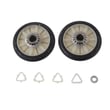
If you’re maintaining or rebuilding the drive system on this model, common wear items include the drum belt 341241 and dryer idler pulley WP691366.
Last updated: February 2026
What are the common problems with Whirlpool dryers?
Common Whirlpool dryer problems (including the Whirlpool LGC8858EQ2 gas dryer) fall into a few buckets: it will not start, the drum will not tumble, it heats poorly or not at all, it runs but dries slowly, or it makes unusual noise. Most issues trace back to airflow restrictions, a worn drive system, or a failed heat or safety component.
Most common symptoms and what they usually mean
- Dryer will not start: door not fully closed, failed door switch, timer/control issue, or a motor problem.
- Drum will not spin/tumble: broken belt, worn idler pulley, or a failed drive motor.
- No heat or intermittent heat (gas models): failed gas valve coils, igniter, radiant sensor, or a safety thermostat opening due to overheating.
- Takes too long to dry: clogged lint screen, crushed/blocked vent, or a damaged blower wheel.
- Squealing, thumping, scraping: worn idler pulley, belt wear, or front drum bearing wear.
Quick checks we recommend first (fast, no parts)
- Clean the lint screen before every load.
- Check the exhaust vent for kinks, crushing, lint buildup, or a stuck exterior damper.
- Confirm the door closes firmly and the latch engages.
- Try a timed dry cycle to rule out a cycle/setting issue.
- Listen for the motor hum (points toward a drive or start issue).
Parts that commonly fix these problems on LGC8858EQ2
| Symptom | Common fix part | What it does |
|---|---|---|
| Drum not turning | Drum belt 341241 | Transfers motor power to the drum |
| Will not start when door closes | Door switch WP3406107 | Proves the door is shut so the dryer can run |
| Heats then stops heating | Dryer valve coil kit 279834 | Opens the gas valve during ignition and cycling |
| Overheats or shuts heat off | Dryer operating thermostat WP3387134 | Regulates drum temperature |
| Weak airflow/noisy airflow | Dryer blower wheel WP694089 | Moves air through the drum and vent |
Why it matters
A gas dryer that runs with poor airflow can overheat and trip safety thermostats, causing “no heat” complaints and longer dry times. Fixing venting and worn drive parts restores normal drying performance and reduces repeat failures.
Helpful DIY guidance
For step-by-step symptom-based help, use our gas dryer wont start troubleshooting video and gas dryer wont heat troubleshooting video.
Last updated: February 2026