Error Codes




How much does it cost to replace an 80 gallon electric water heater?
Replacing an 80-gallon electric water heater (including the new unit and professional installation) typically costs about $2,650 to $3,910. For your State ES680DOCT, the final price depends most on labor rates, electrical or plumbing updates, and whether the old tank needs special removal.
What’s usually included in the price
- New 80-gallon electric water heater
- Delivery and haul-away of the old tank
- Basic plumbing connections and leak check
- Electrical reconnection (existing circuit)
- Startup and temperature setting
Common add-on costs that change the total
- Permit and inspection fees (varies by area)
- New shutoff valve, supply lines, or expansion tank
- Electrical upgrades (breaker, wiring, disconnect)
- Pan and drain line if required by local code
- Tight-space labor (attic, crawlspace, small closet)
Quick cost breakdown (typical ranges)
| Cost item | Typical range | Notes |
|---|---|---|
| Water heater (80-gallon electric) | $1,500 to $2,800 | Brand, efficiency, warranty length |
| Labor (remove and install) | $800 to $1,600 | Region and complexity |
| Parts, permits, upgrades | $200 to $1,000+ | Code and condition dependent |
Why it matters
An 80-gallon tank is heavier, takes more space, and often needs more labor than a 40-gallon replacement. If your ES680DOCT is also having temperature issues, budgeting for repair parts can help you decide whether repair or replacement makes more sense.
Repair parts that can affect performance (if you’re troubleshooting)
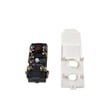
- Thermostat 100108683 (upper thermostat)
- Thermostat 100108421 (lower thermostat)
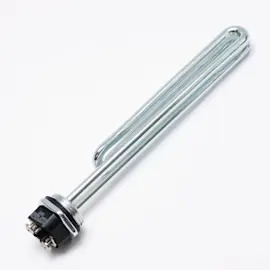
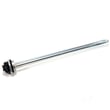
- Element 100108283 (heating element)
For step-by-step repair guidance, use our DIY guide: how to replace an electric water heater thermostat.
Last updated: February 2026
What's the downside of a tankless hot water heater?
Tankless water heaters can be a great upgrade, but the main downsides are higher upfront cost, possible electrical or gas upgrades during installation, and limited hot-water flow when multiple fixtures run at once. They also need regular descaling in hard-water areas to prevent performance problems.
Common downsides to plan for
- Higher purchase and install cost: The unit costs more, and the install can require venting, gas line sizing, or electrical service upgrades.
- Flow-rate limits: A single unit may struggle if you run two showers plus laundry or a dishwasher at the same time.
- “Wait time” still exists: You can still wait for hot water to reach a far bathroom; a recirculation setup may be needed.
- Maintenance is not optional: Hard water can cause scale buildup; periodic flushing/descaling keeps efficiency and output steady.
- Cold-water sandwich: Some setups can briefly alternate hot and cool water during back-to-back draws.
Tankless vs. tank (quick comparison)
| Feature | Tankless water heater | Tank water heater (like many electric models) |
|---|---|---|
| Upfront cost | Higher | Lower |
| Hot water delivery | Unlimited in theory, limited by flow rate | Limited by tank size, strong short-term flow |
| Maintenance | Descaling/flush is critical | Flushing helps; anode/element service is common |
| Best fit | Smaller households, steady demand | High simultaneous demand, simpler installs |
Why it matters for your State ES680DOCT setup
If you are considering switching from a tank-style electric water heater to tankless, the biggest real-world issue is meeting peak demand (multiple showers, appliances) without temperature drop. If your current tank unit is underperforming, it is often caused by serviceable parts such as a failed thermostat or heating element.
If your current tank water heater is acting up
Before replacing the whole system, we typically check these common items:
- Upper temperature control issues (see thermostat 100108683)
- Lower temperature control issues (see thermostat 100108421)
- Burned-out or scaled heating element (see element 100108283)
For step-by-step DIY help, use our guide: how to replace an electric water heater thermostat.
Last updated: February 2026
Why are 80 gallon water heaters discontinued?
Many 80-gallon water heaters were phased out or became harder to find because newer U.S. efficiency standards pushed manufacturers toward designs with lower standby heat loss (more insulation, different tank geometry) and toward higher-efficiency options like heat pump water heaters. For a State ES680DOCT electric water heater, that often means replacements may be physically larger, have different electrical requirements, or shift to hybrid technology.
What changed (and what it means for your replacement)
Efficiency rules did not eliminate the need for large-capacity hot water; they changed what qualifies as an acceptable design. As a result, the “traditional” large electric resistance tank became less common, and the market shifted.
Common impacts you will see when shopping for an 80-gallon class replacement:
- Bigger cabinet size: added insulation can increase diameter and height.
- Different power needs: some large units require different amperage, wiring, or breaker sizing.
- More hybrid options: heat pump (hybrid) models are more common in larger capacities.
- Higher upfront cost: higher-efficiency designs typically cost more.
- Longer recovery differences: depending on element wattage or heat pump output.
Quick comparison: traditional electric vs hybrid (heat pump)
| Feature | Traditional electric tank | Hybrid (heat pump) tank |
|---|---|---|
| Efficiency | Moderate | High |
| Space needs | Usually smaller | Often taller and needs airflow |
| Electrical | Standard electric circuit (varies by model) | Electric circuit plus heat pump components |
| Noise | Quiet | Fan/compressor noise |
If you are repairing instead of replacing
If your ES680DOCT is otherwise in good shape, repairing common “no hot water” or “temperature swings” issues can extend service life. These parts are commonly involved:
- Upper temperature control: thermostat 100108683
- Lower temperature control: thermostat 100108421
- Heating component: element 100108283
For step-by-step guidance, use our DIY content such as how to replace an electric water heater thermostat or how to replace an electric water heater heating element.
Why it matters
Large-capacity water heaters are sensitive to fit, electrical capacity, and recovery performance. Knowing that newer designs can be larger and wired differently helps you avoid a replacement that will not fit the space or match your home’s electrical setup.
Last updated: February 2026
What is the average lifespan of an electric hot water heater?
Most electric tank water heaters, including the State ES680DOCT, last 10 to 15 years. Lifespan depends mainly on water quality, how hard the heater works (household demand), and maintenance such as periodic tank flushing and anode rod checks.
Typical lifespan by type
| Water heater type | Typical lifespan | What usually ends it |
|---|---|---|
| Electric tank (standard) | 10 to 15 years | Tank corrosion, element failure, leaks |
| Electric tankless | 20+ years | Scale buildup, electronics failure |
Signs your water heater is near end of life
- Water leaking from the tank body (not just a fitting)
- Rust-colored water or metallic odor at hot taps
- Hot water runs out faster than it used to
- Fluctuating temperatures or water that is too hot
- Frequent tripped breaker or repeated reset trips
- Popping or rumbling sounds from heavy sediment
What you can do to help it reach the high end of the range
- Flush sediment periodically (more often with hard water)
- Keep temperature set around 120°F for safety and efficiency
- Inspect wiring and connections when servicing (power off)
- Replace failed controls promptly to prevent overheating
- Address “no hot water” symptoms early to reduce strain on components
If your ES680DOCT is heating inconsistently, common service items include the upper and lower thermostats and the heating element; see thermostat 100108683, thermostat 100108421, and element 100108283. For step-by-step guidance, use our how to replace an electric water heater thermostat and how to replace an electric water heater heating element.
Why it matters
Once a tank starts corroding internally, repairs stop being cost-effective because a tank leak is not a replaceable part. Catching control or heating problems early can extend service life and reduce energy waste.
Last updated: February 2026
What is usually the most common water heater problem?
The most common water heater problem is sediment buildup in the tank, which reduces heating efficiency and often causes rumbling or popping noises. On a State ES680DOCT electric water heater, the next most common issues are “no hot water” or inconsistent temperature caused by a failed heating element or a bad thermostat.
Most common problems (and what you’ll notice)
- Sediment buildup: popping/rumbling sounds, slower recovery, higher energy use
- Heating element failure: little to no hot water, breaker trips in some cases
- Thermostat problems: water too hot, not hot enough, or fluctuating temperatures
- Loose or leaking connections: moisture around fittings, occasional dripping
- Tank corrosion: persistent leaking from the tank body (typically means replacement)
Quick checks we recommend first (electric models)
- Confirm the circuit breaker is on and not tripping repeatedly.
- Check for water leaks at the cold inlet, hot outlet, and element access areas.
- If you hear noise, plan a tank drain and flush to reduce sediment.
- If temperature is unstable, suspect the upper or lower thermostat.
- If you have no hot water, suspect a heating element or the upper thermostat first.
Common “symptom to likely cause” guide
| Symptom | Most likely cause | What usually fixes it |
|---|---|---|
| Rumbling/popping | Sediment buildup | Drain and flush tank |
| No hot water | Upper thermostat or element | Test and replace failed part |
| Not enough hot water | Lower element or thermostat | Test and replace failed part |
| Water too hot | Thermostat stuck | Replace thermostat |
Parts that commonly solve temperature and heating complaints
For the ES680DOCT, these are the most frequently replaced parts when troubleshooting heating and temperature issues:
- Thermostat 100108683 (upper)
- Thermostat 100108421 (lower)
- Element 100108283
Why it matters
Sediment and failing heating controls force the water heater to work harder, which increases energy use and can shorten the life of key components like the heating element and thermostats.
For step-by-step troubleshooting and repair help, use our DIY content such as how to replace an electric water heater thermostat and how to replace an electric water heater heating element.
Last updated: February 2026