Owner’s manual
 Error Codes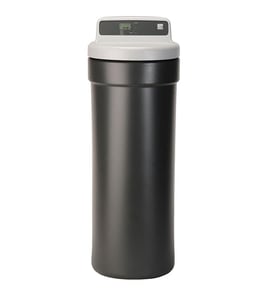



What water softeners do plumbers recommend?
Plumbers typically recommend water softeners that are correctly sized for your home’s hardness level and flow rate, and that use proven control valves and readily available parts. For Kenmore model 625343820 (an undersink water filter housing), the closest “plumber-style” recommendation is choosing the right sediment cartridge and installing it with proper shutoff access per the 625343820 owner’s manual.
- Correct sizing (grain capacity matched to hardness and household usage)
- Reliable valve design (common, serviceable control valves)
- Easy maintenance (simple programming, accessible bypass, clear service intervals)
- Parts availability (seals, injectors, resin, and valve components are easy to source)
- Water test driven setup (hardness, iron, manganese, and pH guide the selection)
| Feature | Water softener | Undersink filter housing (625343820) |
|---|---|---|
| Main job | Removes hardness (calcium, magnesium) | Reduces sediment and some taste/odor depending on cartridge |
| Where installed | Whole-home main line | Under one sink (point-of-use) |
| Maintenance | Add salt; periodic cleaning/service | Replace cartridge on schedule |
| Best for | Scale prevention, soap efficiency | Improving water at a faucet |
Your 625343820 uses replaceable cartridges; plumbers typically choose micron rating based on what they are trying to catch.
- Use a finer sediment cartridge for visible grit and better particle reduction
- Use a coarser sediment cartridge when you need less restriction and longer life
- Leave at least 1-1/2 inches under the housing to remove the sump for cartridge changes
- Sed cart 5 m 3848007 (part number 42-34362, 5 micron)
- Sed cart 25m 3847807 (part number 42-34360, 25 micron)
A “recommended” softener or filter only performs well when it matches your water conditions and is installed so you can shut off water and service it easily. Correct sizing and service access prevent low flow, leaks at fittings, and premature cartridge or resin problems.
Last updated: January 2026
What is the life expectancy of a Kenmore water softener?
Model Kenmore 625343820 is an undersink water filter housing, not a salt-based water softener. The housing itself typically lasts 10 to 20 years; the routine wear item is the filter cartridge, which is commonly replaced about every 6 months for a single faucet, depending on water use and sediment.
This matters because a water softener (resin tank, brine tank, control valve) has different wear parts and a different lifespan than an undersink filter housing.
- If you have a canister under the sink feeding one faucet, you have the 625343820 filter housing
- If you have a tall tank with a salt/brine tank, you have a true water softener (different model)
- Use the model tag to match parts and maintenance steps
For specifications and cartridge replacement steps for this model, use the Kenmore 625343820 owner’s manual.
Most “end of life” complaints are really cartridge or seal issues.
- Filter cartridge clogs and reduces flow
- O-ring seal dries out, flattens, or starts leaking
- Sump (canister) cracks from freezing, impact, or overtightening
- Fittings seep if threads or compression connections loosen
These are practical intervals for an undersink filter housing used on one faucet.
| Component | Typical service life | Replace when you notice |
|---|---|---|
| Sediment cartridge | About 6 months | Faucet flow drops, sediment returns |
| Housing (head/sump) | 10 to 20 years | Cracks, damaged threads, persistent leaks |
If flow is low or sediment is getting through, start with the cartridge.
- Sed cart 5 m 3848007 (part number 42-34362)
- Sed cart 25m 3847807 (part number 42-34360)
Replacing the cartridge on schedule protects water flow and filtration performance; protecting the housing from freezing and excessive pressure prevents cracks and leaks that end the system’s service life.
Last updated: January 2026
Is it worth repairing a water softener?
For Kenmore model 625343820, it’s worth repairing when the housing and fittings are sound and the problem is routine maintenance, most often a clogged filter cartridge causing low flow. Replace the complete unit only when the housing is cracked, threads are damaged, or leaks keep returning after service; use the 625343820 owner’s manual for the correct shutoff and depressurizing steps.
This model is an undersink water filter housing, not a whole-home water softener. Most “repair vs replace” decisions come down to restoring flow and sealing:
- Replace the cartridge when faucet pressure drops or sediment returns.
- Reseat or replace the housing O-ring if the sump drips after a cartridge change.
- Tighten the sump fully after confirming the O-ring is seated correctly.
- Replace the housing if it’s cracked or the sealing surfaces are damaged.
The manual lists sediment cartridges used with this housing; these are the most common “fix” when performance drops:
- Sed cart 5 m 3848007 (part number 42-34362, 5 micron)
- Sed cart 25m 3847807 (part number 42-34360, 25 micron)
- Typical cartridge life for a single faucet is about 6 months (varies with water conditions)
| Symptom at the sink | Most likely cause | Best next step |
|---|---|---|
| Low flow | Cartridge clogged with sediment | Replace cartridge; flush per manual |
| Sediment returns | Cartridge at end of life | Replace cartridge; choose micron rating |
| Drip at sump | O-ring not seated or debris on seal | Clean, reseat O-ring; retighten |
| Repeated leaking | Cracked sump/head or damaged threads | Replace housing components/unit |
Follow the depressurizing steps in the manual; they prevent spray and water damage:
- Close the nearest shutoff valve feeding the filter.
- Relieve pressure by opening the cold faucet (or using the vent valve if equipped).
- Never remove the sump while the housing is under water pressure.
A cartridge change and proper O-ring seating restores filtration and water flow at the faucet for far less than replacing the entire undersink system. Keeping supply pressure within the housing rating (up to 125 psi) also helps prevent leaks.
Last updated: January 2026