


Is 40 1 or 50 1 better for chainsaws?
For most modern 2-cycle chainsaws, 50:1 is the better everyday mix because it’s the most common manufacturer spec and keeps the engine running cleaner. Use 40:1 only when your specific saw calls for it or when you need extra lubrication for severe use; the wrong ratio can shorten engine life.
What the ratios mean (and why they’re different)
A fuel mix ratio is gasoline:2-cycle oil.
- 50:1 = less oil in the mix (leaner oil mix)
- 40:1 = more oil in the mix (richer oil mix)
- More oil generally increases lubrication but can increase smoke and carbon buildup
- Less oil generally burns cleaner but can reduce lubrication if the engine needs more
Which one should you use in a Solo 651SP?
For your Solo 651SP gas chainsaw, the correct answer is: use the ratio specified for the engine. Many saws are designed around 50:1, but some older designs and some operating conditions call for 40:1.
If you do not have the original spec handy, use this practical rule:
| If your saw is designed for | Best choice | What happens if you choose the other |
|---|---|---|
| 50:1 | 50:1 | 40:1 usually runs smokier and can carbon up the muffler/spark arrestor faster |
| 40:1 | 40:1 | 50:1 risks under-lubrication, overheating, and piston/cylinder scoring |
Tips that matter more than 40:1 vs 50:1
Even the “right” ratio won’t help if the fuel and cutting setup are off.
- Use fresh, ethanol-free fuel when possible and a quality 2-cycle oil
- Mix accurately (measuring cup, not guessing)
- Keep the air filter clean and the spark arrestor clear
- Make sure the chain is sharp and properly tensioned; a dull chain overheats the saw
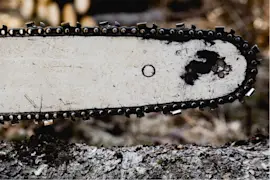
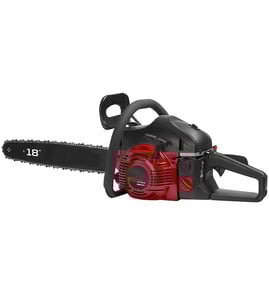
- Match the cutting setup to the job; for example, an 18-inch bar like the bar, 18-in 180VXLGK095 increases load compared to shorter bars
Why it matters
The oil ratio directly affects lubrication, operating temperature, carbon buildup, and long-term engine wear. Running too little oil is the fastest way to damage a 2-stroke engine; running too much oil usually shows up as smoke and performance issues over time.
Last updated: February 2026
Who makes solo chainsaws?
Solo chainsaws are made under the Solo brand, which has been associated with Solo (Solo Kleinmotoren) outdoor power equipment; many newer “Solo by AL-KO” chainsaws are produced under the AL-KO ownership umbrella. For your Solo gas chainsaw model 651SP, we support maintenance and repairs by supplying the correct replacement bar and chain parts.
What this means for parts and compatibility
Even when brand ownership changes over time, the safest way to get the right fit is to match parts to your exact model number (651SP) and the cutting setup (bar length, chain pitch, gauge, and drive link count).
- Match parts by model 651SP first, then by bar and chain specs
- Replace the bar and chain as a set when wear is heavy or cutting is consistently crooked
- Keep the chain properly tensioned to reduce bar wear and kickback risk
- Use the correct bar length for your saw’s setup (common options include 13-inch, 15-inch, and 18-inch)
- If you are unsure which chain fits your bar, compare the bar stamping to the chain packaging specs
Common replacement parts for the Solo 651SP cutting system
These are examples of bar and chain options available for this model:
| Part type | Example option (from this model’s parts list) | Typical reason to replace |
|---|---|---|
| Chain | Chain 15" 21BPX064G | Dull cutters, stretched chain, damaged drive links |
| Bar | Bar, 18-in 180VXLGK095 | Burned rails, uneven wear, bent bar, poor oiling |
| Bar | Bar 15" 158PXLBK095 | Excessive rail wear, chain won’t track straight |
Why it matters
“Who makes it” can be confusing with legacy brands, but parts fit is determined by the model and specifications, not the current brand owner name. Using the correct Solo 651SP bar and chain helps maintain cutting performance, reduces premature wear, and improves safety.
Last updated: February 2026
What is the average lifespan of 651SP?
A Solo 651SP gas chainsaw typically lasts 8 to 12 years with normal homeowner use and routine maintenance. Heavy cutting, dirty fuel, and running a dull chain shorten life; keeping the bar and chain matched and serviced extends it.
What most affects lifespan
- Fuel quality and storage: fresh, properly mixed fuel and clean storage prevent carburetor issues
- Air filtration: a clean filter reduces cylinder wear
- Chain sharpness: a sharp chain lowers engine load and heat
- Bar and chain fit: correct pitch/gauge and proper tension reduce premature wear
- Oiling: consistent bar oil flow prevents bar and chain damage
Maintenance schedule that keeps a 651SP running longer
| Task | Typical interval | Why it matters |
|---|---|---|
| Clean/inspect chain and bar | Every use | Reduces friction and overheating |
| Check chain tension | Every use and after warm-up | Prevents derailment and bar wear |
| Clean air filter area | Every few tanks | Protects engine from dust |
| Inspect bar rails and sprocket tip | Monthly | Catches wear before it ruins the bar |
Parts that commonly drive “end of life” decisions
If performance drops, these wear items are often the first to replace because they directly affect cutting efficiency:
Why it matters
Most “chainsaw failure” is really wear and maintenance drift (dull chain, worn bar rails, poor lubrication, stale fuel). Keeping the cutting system in spec often restores power and reduces strain on the engine and clutch.
Last updated: March 2026