Owner’s manual
 View engine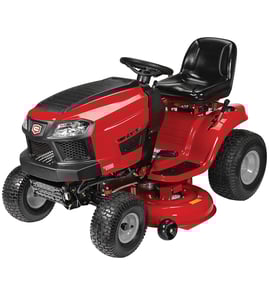




How to find riding lawn mower model number?
For a Craftsman riding mower or lawn tractor, the model number is usually printed on an ID label attached to the frame or under the seat. For model 247202420, use the label locations shown in the 247202420 owner's manual so you match the exact model before ordering belts, blades, or electrical parts.
Common places to check on a riding mower
Look for a sticker or metal tag; wipe off grass and oil so the numbers are readable.
- Under the seat (seat pan or seat bracket area)
- On the frame near the rear wheels
- On the frame near the engine (starter/engine shroud area)
- Near the cutting deck hanger area (front or side of the deck)
- Under the hood area on the chassis rail
What the model number looks like (and what to write down)
We recommend recording these items exactly as shown on the tag:
- Model number (for example: 247202420)
- Serial number (unique to your tractor)
- Engine model/type/code (often on the engine itself)
| Item on tag | Why it matters when buying parts |
|---|---|
| Model number | Ensures diagrams and part lists match your tractor |
| Serial number | Helps confirm correct revisions and production changes |
| Engine numbers | Needed for engine-specific parts like filters, carburetor parts, and ignition parts |
Why it matters
Craftsman tractors can look similar across multiple years, but deck size, belt routing, and safety switch wiring can differ. Using the correct model number helps you get the right parts the first time (for example, a deck blade or a ground drive belt).
Last updated: January 2026
Is 500 hours a lot on a riding mower?
500 hours is a meaningful amount of use on a residential riding mower, but it is not automatically “too much.” For a Craftsman tractor model 247202420, 500 hours often lands around mid-life for typical homeowner use, assuming regular maintenance and normal mowing conditions.
What 500 hours usually means
Most residential riding mowers commonly run about 500 to 1,500 hours before major wear items and driveline components start needing more attention. At 500 hours, we typically see more frequent maintenance needs, not immediate end-of-life.
Expect to inspect and service these areas more often:
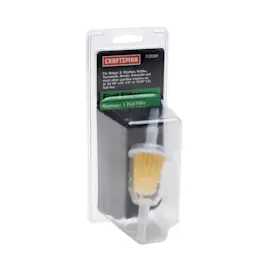
- Engine tune-up items (spark plug, air filter, fuel filter)
- Battery and charging system connections
- Deck spindles and idler pulleys (noise, wobble, heat)
- Belts for glazing, cracking, or stretching
- Steering and front-end wear (play in wheels, loose linkage)
Quick “is it a lot?” checklist
Use this as a practical condition check, not just an hour-number check:
- Starts quickly hot and cold (no excessive cranking)
- No blue smoke after warm-up
- Transmission pulls smoothly uphill (no slipping or surging)
- Deck engages without squeal and cuts evenly
- No persistent vibration at mowing speed
Common wear parts to watch on this model
On the Craftsman 247202420, belts and blades are frequent wear items that affect cut quality and drive performance.
| Symptom | Likely area | Example part you may need |
|---|---|---|
| Poor cut, ragged grass | Deck blades | Craftsman lawn tractor 46-in deck premium 2-in-1 blade 942-04244A |
| Deck squeal, blades slow | Blade drive belt | Blade drive belt (inspect routing and tension) |
| Tractor slows or won’t move well | Ground drive belt | Ground drive belt (inspect for glazing/stretch) |
Why it matters
Hours tell you how much the tractor has been used; condition tells you how it was used and maintained. A well-maintained 500-hour mower can be a solid machine, while a neglected 200-hour mower can be a problem.
For maintenance intervals and inspection points specific to your tractor, follow the 247202420 owner’s manual.
Last updated: January 2026
What riding mower has the least problems?
If your goal is the fewest problems over time, we recommend choosing a riding mower with a strong reliability track record and a simple, well-supported design. For your Craftsman tractor model 247202420, the best “low-problem” choice usually comes down to proven brand reliability plus consistent maintenance using the correct parts and procedures in the 247202420 owner's manual.
What typically makes a riding mower “low problem”
We see the fewest repeat repairs on mowers that combine durable drivetrains with easy-to-maintain cutting systems.
- A strong dealer and parts network (faster fixes, correct parts)
- Simple, proven engine and transmission designs
- Easy deck access for cleaning and blade service
- Good electrical safety interlock design (fewer no-start complaints)
- Routine maintenance done on schedule (oil, air filter, belts, blades)
Quick comparison: what to prioritize when shopping
| Priority | What to look for | Why it reduces problems |
|---|---|---|
| Reliability history | Consistently high owner reliability ratings | Fewer major failures over time |
| Service support | Local service availability and common parts | Shorter downtime |
| Deck system | Common deck size and readily available blades/belts | Easier, cheaper upkeep |
| Electrical system | Solid safety switch and starting circuit design | Fewer intermittent no-start issues |
How to keep your Craftsman 247202420 running with fewer issues
Even the most reliable mower will develop problems if belts slip, blades dull, or safety switches get out of adjustment.
- Keep the deck clean to prevent belt and spindle strain
- Replace worn blades before they bend or tear grass; a common fitment for many 46-inch decks is a 2-in-1 blade like 942-04244A
- Watch for belt glazing/cracks; drive and blade belts are frequent wear items
- If you get a click-no-crank symptom, start with battery connections and the starting circuit; follow riding lawn mower engine clicks but doesnt turn over video
Why it matters
Choosing a mower with a strong reliability record reduces unexpected downtime, but maintenance is what keeps “least problems” true year after year, especially for deck components, belts, and starting/safety circuits.
Last updated: January 2026