Owner’s manual
 Error Codes


Are GE side by side refrigerators good?
Yes. GE side-by-side refrigerators like model GSE25HGHBHBB are a solid choice for everyday reliability and convenience; they typically offer strong food organization, consistent cooling, and popular features like an in-door ice and water dispenser. For the exact features and operating details on your unit, use the GSE25HGHBHBB owner's manual.
What “good” usually means for a side-by-side
We judge side-by-side refrigerators on usable space, temperature stability, and how well the dispenser and ice maker hold up over time.
- Organization: Adjustable shelves and door bins make it easy to separate fresh food and frozen items.
- Convenience: In-door ice and water are practical for daily use.
- Normal sound levels: Fans, water valves, and ice dropping can be noticeable during operation.
- Maintenance needs: Water filters and occasional dispenser cleaning help performance.
- Serviceability: Common wear items (filters, valves, ice maker parts) are replaceable.
Quick pros and trade-offs
| Category | What you’ll likely like | Common trade-off |
|---|---|---|
| Layout | Easy access to both fresh and frozen sections | Freezer side can be narrower for wide boxes |
| Dispenser | Fast access to chilled water and ice | More parts to maintain (filter, valve, chute door) |
| Cooling | Generally steady temps when vents are clear | Door openings can affect temps more than a bottom-freezer |
What to check on your GSE25HGHBHBB for best results
These steps help you get the best performance and reduce nuisance issues.
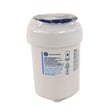
- Replace the water filter on schedule; this model uses a cartridge like the refrigerator water filter MWFP.
- If water spurts after a filter change, run and discard several glasses of water to clear air from the line.
- Keep food packages from blocking air vents so cold air can circulate.
- Expect occasional operating noises (fan airflow, ice dumping, water filling); those are normal for many units.
- If the dispenser stops working when a filter is removed, install the bypass plug as described in the manual.
Why it matters
A side-by-side can be “good” or “not so good” depending on how it’s maintained. Simple upkeep (especially filter changes and keeping vents clear) protects water flow, ice production, and temperature consistency.
Last updated: February 2026
How wide is a 25.6 cubic foot refrigerator?
Most 25.6 cu. ft. side-by-side refrigerators are about 36 inches wide. For the GE GSE25HGHBHBB, the installation instructions show a 36 in (91.4 cm) cabinet opening width for the 25 cu. ft. class, which matches the typical 25.6 cu. ft. size range; see the GSE25HGHBHBB owner's manual.
Typical width range (what you should plan for)
For a 25.6 cu. ft. side-by-side, we typically see:
- Overall cabinet width: ~35 3/4 to 36 inches
- Minimum opening width: 36 inches (common requirement)
- Door swing clearance: varies by handle style and hinge design
- Moving clearance: some homes require door removal if an entrance is under 38 inches wide
Clearances you should allow
The GE installation guidance calls out clearances for installation, airflow, and hookups. Plan for:
- Sides: 1/8 in (4 mm)
- Top: 1 in (25 mm)
- Back: 1/2 in to 1 in (13 to 25 mm), depending on setup
Quick planning table
| Measurement | What to use for planning | Notes |
|---|---|---|
| Opening width | 36 in | Common for 25.6 cu. ft. side-by-side units |
| Side clearance | 1/8 in each side | Helps with fit and airflow |
| Top clearance | 1 in | Helps ventilation and installation |
| Back clearance | 1/2 to 1 in | Space for cords, water line, airflow |
Why it matters
Width is only part of the fit. Side clearance and door swing space affect whether the refrigerator doors open fully, whether drawers slide out easily, and whether the unit can be leveled and positioned correctly for good cooling performance.
Last updated: February 2026
What is the average lifespan of a GE refrigerator?
Most GE refrigerators average about 10 to 15 years with normal household use. For your GE GSE25HGHBHBB side-by-side refrigerator, regular maintenance (clean airflow, good door sealing, and stable temperatures) is what most directly determines whether you land closer to 10 years or push beyond 15.
Typical lifespan ranges (what to expect)
- Average: 10 to 15 years
- Often achievable with good care: 15 to 19 years
- Shortened lifespan is common when: condenser airflow is restricted, doors do not seal, or the unit runs hot in a tight space
| Lifespan range | What it usually means | What to do now |
|---|---|---|
| 0 to 10 years | Early wear or heavy use | Keep coils clean; fix sealing and cooling issues quickly |
| 10 to 15 years | Typical service life | Stay on top of airflow and temperature consistency |
| 15+ years | Well-maintained unit | Replace wear items (filters, icemaker components) as needed |
Maintenance that most improves longevity
We recommend these habits for the GSE25HGHBHBB:
- Clean condenser coils (dust buildup makes the compressor work harder)
- Keep door gaskets sealing (warm air leaks increase run time and frost)
- Set stable temps (avoid frequent changes; keep vents unblocked)
- Replace the water filter on schedule to protect water flow and dispenser performance (see MWF water filter MWFP)
- Address cooling noises or warm temps early (a struggling fan or sensor can snowball into bigger problems)
Why it matters
A refrigerator’s lifespan is mostly about compressor run time and heat. When coils are dirty or doors leak, the sealed system runs longer and hotter, which accelerates wear on major components.
Helpful reference
For model-specific care, cleaning guidance, and operating tips, use the GSE25HGHBHBB owner’s manual.
Last updated: February 2026
What is the most common problem with a GE refrigerator?
For the GE GSE25HGHBHBB side-by-side refrigerator, the most common customer-reported issue is a cooling problem (refrigerator too warm, freezer too warm, or temperatures that swing). In many cases, the root cause is restricted airflow or a defrost-related failure that lets frost build up and blocks cold air movement.
Quick checks we recommend first
- Confirm the temperature settings are correct and give the unit 24 hours to stabilize after changes.
- Make sure vents inside the fresh food and freezer sections are not blocked by food packages.
- Clean condenser coils (dirty coils commonly cause weak cooling and long run times).
- Check door gaskets for gaps, tears, or areas that do not seal.
- Listen for the evaporator fan; if it is not running, cooling will suffer.
- If you see heavy frost on the freezer back wall, suspect a defrost system problem.
Common causes and what they usually look like
| Symptom | Most likely area | Typical next step |
|---|---|---|
| Both sections warm | Airflow or sealed system | Clean coils; verify fans run |
| Freezer cold, fridge warm | Air damper or evaporator fan | Check airflow; inspect fan |
| Frost buildup, weak airflow | Defrost system | Test heater/thermostat/sensor |
| Temps fluctuate | Sensor or control board | Check sensor readings; inspect board |
Parts that often relate to cooling complaints on this model
If troubleshooting points to a failed component, these are common cooling-related parts for this GE model:
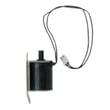
- Refrigerator evaporator fan motor WR60X10307 (moves cold air through the compartments)
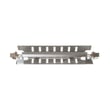
- Refrigerator defrost heater WR51X10055 (melts frost off the evaporator)
- Refrigerator defrost bi-metal thermostat WR50X10065 (helps control defrost cycling)
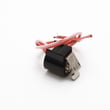
- GE profile refrigerator temperature sensor WR55X10025 (feeds temperature data to the control)
- Refrigerator main board WR55X24347 (manages cooling and defrost functions)
Why it matters
Cooling issues can spoil food quickly and also strain major components like the compressor. Catching airflow restrictions, frost buildup, or a failing fan early often prevents bigger, more expensive repairs.
Helpful reference
For model-specific operating tips, temperature guidance, and troubleshooting tables, use the GSE25HGHBHBB owner's manual.
Last updated: February 2026