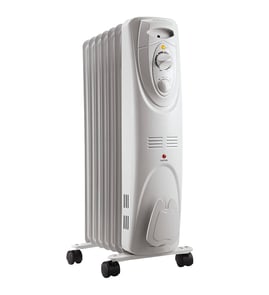

How do I find the model number on my RCE-606TRA?
The model number for your Rinnai vent-free space heater is printed on the heater’s rating label; on many units it’s on the side panel, rear panel, or behind the front cover. Match the label exactly (including letters and dashes) so you get the right parts for RCE-606TRA.
Where to look on the heater
Check these common rating-label locations:
- Side panel near the bottom edge
- Rear panel near the gas connection area
- Inside the front cover (after removing the front panel screws)
- Near the control area or behind the lower grille
- On a label that also lists BTU rating, gas type, and electrical specs
What to write down (so parts match)
Copy the information exactly as shown on the label:
- Model number (example: RCE-606TRA)
- Serial number
- Gas type (Natural Gas or LP/Propane)
- Input rating (BTU)
- Electrical rating (volts/amps, if listed)
Quick label checklist
Use this to confirm you are reading the correct tag.
| Label item | What it helps with | Example format |
|---|---|---|
| Model number | Correct diagrams and part fit | RCE-606TRA |
| Serial number | Version changes by production run | Letters and numbers |
| Gas type | Safe, correct fuel-specific parts/settings | NG or LP |
| BTU input | Performance and compatibility checks | 10,000 to 40,000 BTU |
Why it matters
Rinnai heaters often have similar-looking cabinets across model families; the exact model and gas type prevent ordering the wrong ignition parts, controls, or fuel-specific components.
For help identifying the label and understanding why the exact model number matters when ordering, use how to find your appliance model number (and what it means for parts).
Last updated: March 2026
What are the most common issues with RCE-606TRA?
The most common issues we see with the Rinnai RCE-606TRA vent-free space heater are ignition problems, weak or uneven heat, nuisance shutdowns, and fan or electrical faults. Most of these trace back to fuel supply, airflow and cleanliness, or a failing safety sensor or control.
Common symptoms and likely causes
- Won’t ignite or keeps clicking: low gas pressure, air in the gas line, dirty igniter/flame rod, or a weak power supply (if your unit uses a powered ignition/control).
- Starts then shuts off: oxygen depletion sensor (ODS) reacting to poor room ventilation, dirty burner, or a flame-sensing issue.
- Weak heat output: clogged burner ports, dust buildup on the heat exchanger area, or restricted air intake.
- Fan runs but little heat: burner not staying lit, temperature sensor issue, or control board problem.
- Intermittent operation: loose wiring connections, failing switch, or overheating from blocked airflow.
Quick checks we recommend first
- Confirm the heater’s fuel type and supply are correct (LP vs natural gas, shutoff valve fully open).
- Make sure the room has adequate combustion air and nothing is blocking the heater’s intake or outlet.
- Clean dust and lint from accessible grills and air passages (power off and unit cool).
- If the heater uses electricity, verify the outlet is working and the cord is undamaged.
- If you suspect an electrical fault, use safe test methods from how to use a multimeter to test electrical parts video.
What to do based on what you observe
| What you notice | Most common direction | Typical next step |
|---|---|---|
| No ignition at all | Fuel supply or ignition circuit | Verify gas supply; check power; inspect igniter area |
| Lights then goes out | Flame sensing/ODS/dirty burner | Clean burner area; check for drafts and ventilation |
| Runs but heats poorly | Airflow restriction or dirty burner | Clear airflow; clean dust; inspect burner ports |
| Random shutdowns | Overheat or electrical connection | Check for blocked vents; inspect wiring and switches |
Why it matters
Vent-free heaters like the RCE-606TRA rely on clean combustion, correct fuel delivery, and working safety sensors. When airflow is restricted or the flame signal is unstable, the heater can shut down to protect the home.
Last updated: March 2026
What is the average lifespan of RCE-606TRA?
A Rinnai vent-free space heater like model RCE-606TRA typically lasts 15 to 20 years with normal residential use and routine maintenance. Lifespan depends most on fuel quality, keeping the air intake and burner area clean, and addressing ignition or flame issues promptly.
Typical lifespan and what affects it
- 15 to 20 years is the normal service life for a quality gas space heater.
- Heavy daily use, dusty environments, and poor combustion air shorten life.
- Consistent cleaning and correct gas pressure help the heater reach full lifespan.
- Repeated nuisance shutdowns (pilot/ignition, flame sensing) accelerate wear on controls.
Quick checklist to help it reach 15 to 20 years
- Keep the front grille and air intake clear of lint, pet hair, and dust.
- Vacuum dust from around the heater regularly (power off and cool).
- Watch for yellow, wavering flames, soot smell, or condensation; stop using and have it serviced.
- Use the correct fuel type (natural gas vs LP) and keep the area well ventilated per the heater’s requirements.
- Have a qualified technician perform periodic inspection of the burner, ignition system, and safety controls.
Replace or repair: a practical guide
| Situation | Usually repair | Usually replace |
|---|---|---|
| Minor cleaning, loose wiring, simple adjustment | Yes | No |
| Repeated shutdowns, ignition failures, or flame problems | Sometimes | Often if frequent |
| Corrosion, heat damage, or persistent odor/sooting | No | Yes |
| Unit is near/over 20 years old and needs major parts | No | Yes |
Why it matters
Vent-free heaters rely on clean combustion and working safety sensors. Keeping the RCE-606TRA operating cleanly protects comfort, reduces nuisance shutdowns, and helps the heater achieve its full expected lifespan.
For maintenance and safe DIY habits, we recommend reviewing are diy appliance repairs safe.
Last updated: March 2026