
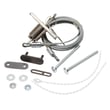
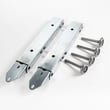
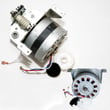
Where can I buy Craftsman garage door opener parts?
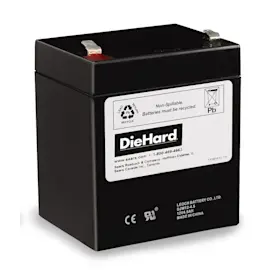
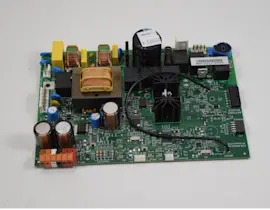
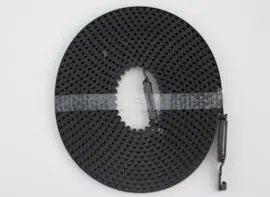
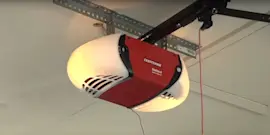
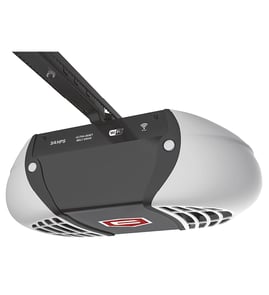
You can buy replacement parts for your Craftsman 13953638SRT 1/2-hp garage door opener through Sears PartsDirect by searching the model number and selecting the exact part you need from the parts list for that opener.
Best way to find the right part for model 13953638SRT
- Use the full model number 13953638SRT when searching (this narrows results to the correct Craftsman opener series).
- Match the part by diagram location and part description (for example: rail assembly parts, drive gear parts, logic board parts).
- Compare any numbers printed on the old part (sticker or molded number) to the listing details.
- If multiple versions appear, choose the one that matches your opener’s drive type (chain vs. belt) and motor type.
- If your opener is showing blinking lights or a diagnostic pattern, use an error-code lookup first to avoid ordering the wrong part.
Common parts people replace on Craftsman openers
| Symptom | Common part area to check | Typical fix direction |
|---|---|---|
| Door won’t close, lights blink | Safety sensor system | Align sensors, repair wiring, replace sensor if damaged |
| Motor runs but door doesn’t move | Drive gear / worm gear | Inspect gear wear, replace worn gear set |
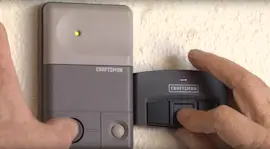
| Remote or wall control won’t work | Wall control / receiver / logic board | Reprogram, check wiring, replace failed control component |
| Door reverses or stops | Travel/force settings, door binding | Adjust force/travel, correct door balance/binding |
Why it matters
Garage door opener parts are model-specific; using the exact Craftsman 13953638SRT parts list helps ensure the replacement fits, works with your opener’s electronics, and restores safe operation.
Helpful DIY reference
If you’re troubleshooting before buying parts, start with Craftsman error codes to interpret diagnostic flashes and narrow down the failed component.
Last updated: February 2026
Is it cheaper to repair or replace a garage door opener?
Repairing a Craftsman 13953638SRT 1/2-hp garage door opener is usually cheaper when the problem is isolated (safety sensors, wall control, remote programming, minor wiring) and the unit has been reliable. Replacing is the better value when the opener is older (typically 10 to 12+ years), has repeated failures, or needs major drive or motor work.
Quick decision guide (repair vs replace)
Use these checkpoints to decide what makes sense for your garage door system.
- Repair when the door is balanced and moves smoothly by hand, but the opener acts up.
- Repair when symptoms point to setup or safety issues (sensor alignment, force/travel settings, remote pairing).
- Replace when the opener struggles, stalls, or grinds and the door is heavy or binding.
- Replace when you have multiple issues at once (intermittent operation plus noise plus inconsistent travel).
- Replace when you want modern convenience features (smart control, battery backup, quieter drive).
Typical cost comparison (what most homeowners see)
Actual pricing varies by region and door size, but these ranges are common.
| Option | Typical cost range | Best for |
|---|---|---|
| Minor repair/adjustment | $100 to $250 | Sensors, settings, basic troubleshooting |
| Moderate repair | $200 to $500 | Electrical diagnosis, control issues, some mechanical repairs |
| Replace opener (unit only) | $200 to $600+ | New features, improved reliability |
| Replace opener (installed) | $400 to $1,000+ | Turnkey replacement including labor |
What to check first on model 13953638SRT
These steps often identify a “repairable” issue quickly.
- Test the door balance: pull the emergency release and lift the door by hand; it should move smoothly and stay about halfway open.
- Inspect safety sensors: confirm both lenses are clean, aligned, and not in direct sun glare.
- Look for travel/force problems: if the door reverses or stops, force or travel limits may need adjustment.
- Check wall control behavior: intermittent wall button response can point to wiring or control issues.
- Confirm remote programming: reprogram if range is poor or operation is inconsistent.
For Craftsman-specific diagnostic blink patterns and code meanings, use our Craftsman error codes guide.
Why it matters
A garage door opener can look “bad” when the real problem is door friction, weak springs, or misaligned safety sensors. Fixing the underlying cause protects the motor, improves safety reversal performance, and prevents repeat breakdowns.
Last updated: February 2026
What are the common problems with Craftsman garage door openers?
Common problems on the Craftsman 13953638SRT 1/2-hp garage door opener are usually caused by safety sensor issues, drive system wear (chain/belt, gears), or control problems (wall button, remote, logic board). These show up as a door that reverses, won’t close, grinds, or has blinking lights.
Most common symptoms and what they usually mean
- Door won’t close and lights blink: safety sensors blocked, misaligned, or wiring issue.
- Door starts down then reverses: sensor beam interruption, travel/force settings off, or door binding.
- Grinding or loud clicking: worn drive gear/worm gear, loose sprocket, or dry chain.
- Motor hums but door doesn’t move: stripped gear, broken trolley, or door is jammed.
- Remote/keypad works sometimes: weak battery, interference, or receiver/logic board issue.
- Wall control dead: wiring problem, bad wall control, or logic board issue.
Quick checks we recommend first (safe, no special tools)
- Check the door balance: disconnect the opener and lift the door by hand. If it’s heavy or won’t stay mid-travel, the door hardware (springs/rollers) needs attention.
- Inspect safety sensors: confirm both sensor LEDs are on steady; clean lenses and align them.
- Look for binding: check tracks for dents, debris, or tight rollers.
- Listen for the failure point: grinding at the motor head points to gears; slipping at the rail points to trolley/drive.
- Check remotes: replace batteries and reprogram if needed.
Common problem-to-fix map
| What you notice | Most likely area | Typical fix |
|---|---|---|
| Blinking lights, won’t close | Safety sensors | Align/clean sensors; repair wiring |
| Reverses at floor | Travel/force or binding | Adjust travel/force; fix door drag |
| Grinding from motor head | Gear assembly | Replace worn gears; inspect sprocket |
| No response from wall button | Wall control/logic board | Check wiring; replace failed control |
Why it matters
Garage door openers are designed to stop or reverse when they sense an obstruction. Fixing sensor alignment, door binding, and force/travel issues prevents repeated reversals and reduces wear on the motor and drive gears.
For blink patterns and diagnostic steps that match Craftsman units, use our Craftsman error codes guide.
Last updated: February 2026