 Installation guide
 Error Codes




What is the average lifespan of a Frigidaire dishwasher?
A Frigidaire dishwasher like model FDB126RBB4 typically lasts 9 years on average. With normal household use and basic upkeep (cleaning filters, fixing small leaks, maintaining proper water temperature), many units reach 10 to 12 years before major repairs become more common.
What affects dishwasher lifespan most
- Water quality and hardness (scale buildup shortens pump, valve, and heater life)
- How often you run it (multiple loads daily wears moving parts faster)
- Hot water supply (incoming water should be at least 120°F / 49°C for proper cleaning and to reduce strain on the heating system)
- Drain setup and hose routing (kinks and poor routing can cause repeated drain problems)
- Small leaks left unfixed (can damage wiring, motor, and flooring)
Quick maintenance routine that adds years
Use these habits to reduce wear on the motor, drain pump, and seals:
- Run hot water at the sink before starting a cycle so the tub fills hot faster
- Keep the spray arms clear of labels, seeds, and broken glass
- Clean the sump area regularly and remove debris after a “dirty” load
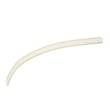
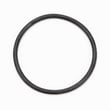
- Check for door drips and replace a worn seal early (example: dishwasher door seal 809006501)
- Make sure the drain hose is not kinked and is routed correctly
When replacement makes more sense than repair
| If your dishwasher is... | And you see... | Typical next step |
|---|---|---|
| Under ~7 years old | Minor leak, poor draining, weak fill | Repair is usually worthwhile |
| 8 to 12 years old | Repeated leaks, noisy motor, inconsistent washing | Compare repair cost vs. replacement |
| Over ~12 years old | Multiple failures or major electrical issues | Replacement is usually the better value |
Why it matters
Knowing the expected lifespan helps you decide whether to invest in parts like a drain pump, water inlet valve, or door seal, or to plan for replacement before a breakdown causes downtime or water damage. For installation and utility requirements (120V supply, 15-20 amp circuit, hot water temp, drain routing), use the installation guide.
Last updated: February 2026
What are the commonly replaced parts in a dishwasher?
On the Frigidaire FDB126RBB4 dishwasher, the most commonly replaced parts are the ones that seal water in, move water through the wash system, heat water for cleaning and drying, and keep the door closing correctly. These parts wear from heat, detergent, vibration, and occasional clogs.
Most common dishwasher parts that get replaced
- Door sealing parts: door seal and sump gaskets that can flatten, tear, or leak
- Water fill parts: water inlet valve and float switch that control filling
- Drain parts: drain hose and drain pump that can clog or fail to pump out
- Wash and heat parts: heating element and thermostats that affect cleaning and drying
- Door hardware: hinge arms, latch strike, and related hardware that affect closing and leaks
- Rack hardware: rollers and rack assemblies that crack, bind, or fall off
Model-matched examples for FDB126RBB4
Here are a few high-frequency replacements we see for this model:
| Symptom | Likely part type | Example model-matched part |
|---|---|---|
| Water leaking at the bottom of the door | Door seal | Dishwasher door seal 809006501 |
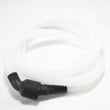
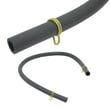
| Not draining or drains slowly | Drain hose or drain pump | Hose 807117001 |
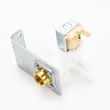
| Not filling or fills inconsistently | Water inlet valve or float switch | Valve 154637401 |
| Poor drying or weak cleaning (water not heating) | Heating element or thermostat | Heater 154665201 |
Quick checks before you replace parts
- Confirm the dishwasher is level and secured; a tilted unit can cause door leaks.
- Check for kinks in the drain hose and water line.
- Clean out debris that can block draining (food, labels, broken glass).
- Verify the door closes smoothly and does not hit surrounding cabinets.
- If you are installing or re-securing the unit, follow the wiring and anchoring steps in the installation guide.
Why it matters
Replacing the correct part restores normal wash pressure, proper fill and drain operation, and safe door sealing. That prevents repeat leaks, improves cleaning performance, and reduces strain on the pump motor and heater.
Last updated: February 2026
Can I replace dishwasher parts myself?
Yes, for Frigidaire dishwasher model FDB126RBB4, we can replace many common parts ourselves (like a door seal, drain hose, or dishrack rollers) with basic tools by shutting off power and water first and following the steps in the installation guide.
What you can usually DIY on FDB126RBB4
These repairs are typically straightforward and low-risk when you work carefully:
- Replace a leaking door gasket such as the dishwasher door seal 809006501
- Swap a cracked or clogged drain line such as the hose 807117001
- Replace worn rack wheels such as the dishwasher dishrack roller, lower 5304532229
- Replace a no-fill related component such as the valve 154637401 (water inlet valve)
- Replace a no-drain related component such as the dishwasher drain pump A00126501
Safety steps we follow before any repair
The installation instructions for this dishwasher emphasize keeping electrical, water, and drain lines routed correctly and disconnecting power before work. Use this checklist every time:
- Turn off electrical power at the breaker or fuse box
- Shut off the dishwasher water supply valve
- Protect hands from sharp metal edges; wear gloves
- Keep wiring and hoses away from the motor area (do not route behind the motor)
- Confirm the dishwasher is secured so it cannot tip when the door opens
Quick “DIY vs. technician” guide
| Repair type | Typical DIY difficulty | Why |
|---|---|---|
| Door leak at bottom/edges | Easy | Usually a seal or alignment issue |
| Not draining | Medium | Often hose routing, clogs, or drain pump |
| Not filling | Medium | Often inlet valve, float, or supply issue |
| Electrical wiring in junction box | Advanced | Requires correct connections and grounding |
Why it matters
Dishwashers combine water, electricity, and sharp sheet metal. Doing the shutdown steps and routing hoses and wiring correctly prevents leaks, damage near the motor/frame, and unsafe electrical connections.
Last updated: February 2026
What is the most common problem with a Frigidaire dishwasher?
The most common Frigidaire dishwasher problems are poor cleaning and poor draining caused by restricted water flow (clogged filter area, blocked spray arms, or kinked hoses). Leaks at the door and “won’t start” symptoms are also common, often tied to door sealing or latch alignment.
Most common symptoms and what usually causes them
- Not cleaning well: spray arm holes blocked, low water fill, heavy soil buildup in the sump area
- Not draining: drain hose kinked or restricted, drain path blockage, drain pump issue
- Leaking at the front: worn door seal, door not closing squarely, unit not level
- Won’t start or stops mid-cycle: door not fully latched, control selection issues, float/overfill protection triggered
- Not drying: heater circuit issue, thermostat issue, rinse aid or loading pattern problems
Quick checks we recommend first (fast, no parts)
- Confirm the door closes firmly and the latch engages.
- Check for a kinked drain hose; the installation instructions note kinked water or drain hoses can cause problems.
- Verify the dishwasher is level; the installation instructions emphasize performance is best when properly leveled.
- Run hot water at the sink before starting a cycle to improve initial fill temperature.
- If draining is poor, check the disposer inlet plug (if newly connected) and clear the drain path.
Parts that commonly fix these issues on model FDB126RBB4
| Symptom | Common fix | Example part for FDB126RBB4 |
|---|---|---|
| Leaks at door | Replace lower door seal | Dishwasher door seal 809006501 |
| Not draining | Replace restricted/damaged drain hose | Hose 807117001 |
| Not filling or fills slowly | Clean inlet screen; replace inlet valve if needed | Valve 154637401 |
| Not drying or water not heating | Check heater circuit; replace heater if failed | Heater 154665201 |
Why it matters
Poor cleaning and draining usually come from restricted flow. Fixing hose routing, leveling, and basic water supply issues prevents repeat clogs, reduces leaks, and helps the pump and heater operate normally.
For installation-related items like leveling, utility routing, and drain hookup best practices, follow the installation guide.
Last updated: February 2026





