Owner’s manual
 Error Codes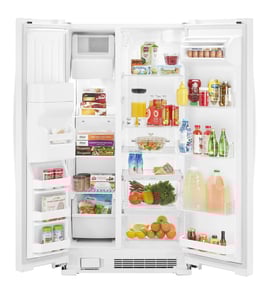


What is the most common problem with a GE refrigerator?
The most common issue we see on GE refrigerators like model GSE25HMHKHES is a cooling problem (fresh food or freezer not staying cold). It is usually caused by airflow restrictions, a defrost system problem, or a failed evaporator fan, not the temperature control setting itself.
Quick checks first (no parts needed)
- Confirm the controls are not set to OFF and adjust to a colder setting.
- If the unit just stopped, wait about 30 minutes; it may be in a defrost cycle.
- Make sure the refrigerator is fully plugged in and the breaker is not tripped.
- Listen for normal sounds during defrost (sizzling, popping, water dripping, brief gurgling).
- Check that vents inside both compartments are not blocked by food packages.
Most common cooling-related causes on side-by-side refrigerators
| Symptom | Most likely area | What to check next |
|---|---|---|
| Freezer cold, fresh food warm | Airflow from freezer to fridge | Frost buildup, blocked air duct, weak evaporator fan |
| Both sections warm | Cooling system not running well | Fan operation, control issues, compressor start components |
| Temps swing up and down | Sensing/defrost cycling | Temperature sensor accuracy, defrost components |
Parts that commonly fix “not cooling” symptoms
If your troubleshooting points to a failed component, these model-compatible parts are common fixes:
- Refrigerator evaporator fan motor WR60X10307 (no/weak airflow, warm fresh food)
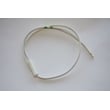
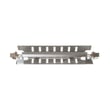
- Refrigerator defrost heater WR51X10055 (heavy frost on evaporator, airflow blocked)
- Refrigerator defrost bi-metal thermostat WR50X10065 (defrost not terminating correctly)
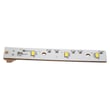
- GE profile refrigerator temperature sensor WR55X10025 (temperature sensing issues)
Why it matters
A side-by-side refrigerator depends on steady airflow from the freezer side to cool the fresh food side. When frost builds up or the evaporator fan cannot move air, temperatures rise quickly and food safety becomes a concern.
Helpful model-specific reference
Use the troubleshooting section in the owner's manual for GSE25HMHKHES to match your exact symptom (cooling, noises, power, defrost timing) to the next best check.
Last updated: February 2026
What is the average lifespan of a GE refrigerator?
A GE refrigerator typically lasts 12 years. For a GE GSE25HMHKHES side-by-side refrigerator, regular maintenance (cleaning condenser coils, keeping door gaskets sealing, and maintaining airflow) is what most directly determines whether it reaches or exceeds that average. See the owner's manual for model-specific care and operating guidance.
Typical lifespan and what to expect
Most full-size refrigerators fall into a predictable range when they are installed correctly and maintained.
- Typical service life: 10 to 15 years
- Common “decision point” for major repairs: 8 to 12 years
- Often replaced due to: cooling performance issues, ice maker and dispenser problems, or sealed-system repairs
Quick reference
| Item | Typical range | What it means for you |
|---|---|---|
| Average refrigerator lifespan | ~12 years | Normal expectation for modern units |
| With strong maintenance | 15+ years | Better odds if coils and seals are kept in good shape |
| High-cost repair zone | 8 to 12 years | Compare repair cost vs. age and condition |
Maintenance that extends life the most
These steps reduce compressor run time, prevent frost and airflow problems, and help temperatures stay stable.
- Clean dust from the condenser area regularly (more often with pets).
- Keep doors closing tightly; clean and condition gaskets so they seal.
- Avoid overpacking; blocked vents cause warm spots and longer run times.
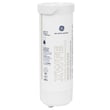
- Replace the water filter on schedule to protect the dispenser and ice maker (example: GE refrigerator water filter XWFE).
- Keep the freezer at 0°F and the fresh food section at 37°F for balanced performance.
Why it matters
A refrigerator’s “lifespan” is mostly about how hard the sealed system has to work. Dirty coils, air leaks at the doors, and restricted airflow force longer run times, which accelerates wear on components like the compressor, fans, and controls.
Last updated: February 2026
Are GE side by side refrigerators good?
Yes. GE side-by-side refrigerators like model GSE25HMHKHES are a solid choice for everyday reliability and easy organization; they typically offer strong temperature control, convenient ice and water dispensing, and practical shelf and bin layouts. For the features and care steps that apply to your exact unit, use the owner's manual.
What “good” means for a side-by-side refrigerator
A good side-by-side keeps both compartments at stable temperatures, moves air well, and makes ice and dispenses water consistently.
Common strengths we see with this style:
- Easy access to both fresh food and freezer items without bending
- Adjustable shelves and door bins for flexible storage
- Built-in ice and water dispenser convenience
- Fast recovery features on many models (cooling boosts after door openings)
What to watch for (and what usually fixes it)
Some owners notice noise changes or slower ice production over time. Those symptoms usually trace back to airflow, defrost performance, or water filtration.
Start with these checks:
- Confirm doors close fully and seals are clean
- Set temperatures to normal targets (fresh food about 37°F, freezer about 0°F)
- Replace the water filter on schedule; a restricted filter can reduce water flow
- Clear blocked vents and avoid overpacking near air returns
- If you hear a fan rubbing or the freezer warms, inspect the evaporator area for frost buildup
Helpful parts for common performance issues
If troubleshooting points to a specific component, these model-compatible parts are commonly involved:
| Symptom | Common area | Example part on this model page |
|---|---|---|
| Warm freezer or poor airflow | Evaporator fan system | Refrigerator evaporator fan motor WR60X10307 |
| Frost buildup, warming, then recovery | Defrost system | Refrigerator defrost heater WR51X10055 |
| Slow water dispensing, weak ice | Filtration | GE refrigerator water filter XWFE |
Why it matters
A side-by-side that maintains airflow and stays on top of filtration and cleaning runs colder, makes ice more consistently, and avoids temperature swings that shorten food life.
Last updated: February 2026