Owner’s manual
 View engine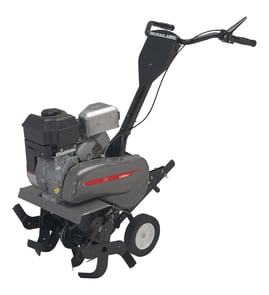



What tiller is made in the USA?
Some tillers are manufactured in the USA; for example, Mantis states its tillers are designed, engineered, and manufactured in the U.S.A. For your Craftsman tiller model 917292491, the most reliable way to confirm country of origin is to check the product identification label and the 917292491 owner's manual.
How to confirm where a tiller is made
Use these quick checks on your tiller before shopping or ordering parts:
- Look for a product ID label on the frame, handle support, or engine shroud
- Check the label for “Made in …” or “Assembled in …” wording
- Record the full model number and any serial number
- Compare the label details to the specifications section in the 917292491 owner's manual
- If the engine has its own label, check it separately (engine origin can differ from the tiller)
What “made in” can mean (quick comparison)
Country-of-origin wording varies by brand and product line.
| Label wording | What it usually indicates | What to do next |
|---|---|---|
| Made in USA | Manufacturing origin is the U.S. | Confirm on the tiller’s ID label |
| Assembled in USA | Final assembly in the U.S.; parts may be global | Check both tiller and engine labels |
| Designed/engineered in USA | Product development location, not manufacturing | Use the ID label for origin |
Why it matters
Country of origin does not change basic maintenance, but it can affect parts sourcing and documentation. For model 917292491, the manual also highlights that normal-wear items like tines and belts are considered expendable, so having the correct model information helps ensure you order the right replacement parts.
Last updated: January 2026
Where is the model number on a tiller?
On the Craftsman front-tine tiller model 917292491, the model number is printed on the tiller’s identification label. On many front-tine tillers, that label is commonly found on the tine shield/guard area or on the engine/fuel tank area; confirm the exact location using the 917292491 owner's manual.
Common places to check first
Look for a sticker or metal tag in these spots:
- On the tine shield (tine guard) near the front of the machine
- On the frame near the belt guard and pulley area
- On or near the engine, including the blower housing
- On or near the fuel tank
- Near the handle support or control panel area
What the label looks like
Most tiller ID labels include a few key fields. Use the model number (not the engine type) when ordering Craftsman tiller parts.
| Label field | What it’s used for | Example you might see |
|---|---|---|
| Model number | Identifies the tiller for parts lookup | 917.292491 |
| Engine model/type | Identifies the engine for engine parts | Briggs & Stratton engine info |
| Serial number | Production tracking | Varies |
Why it matters
The model number ensures you get the correct parts for your exact tiller configuration, especially for items like the drive belt, reverse drive belt, belt guard, and tine hardware.
Tip for parts matching (quick check)
If you are already working near the tine or belt area, these assemblies often reference model-specific parts in the diagrams:
- Tine assembly hardware (retainers and pins)
- Belt guard and pulley assembly
- Wheel and depth stake assembly
Last updated: January 2026
Can a front tine tiller break new ground?
Yes. A Craftsman front-tine tiller like model 917292491 can break new ground, but it takes slower passes and careful depth control because hard soil can make the tiller ride up or surge forward. Use the depth stake and wheel settings shown in the 917292491 owner's manual.
Best way to break new ground with a front-tine tiller
- Start shallow (about 2 to 3 inches) and make multiple passes, increasing depth gradually.
- Keep throttle in a slower setting until you are comfortable controlling the machine.
- Let the depth stake act like a brake; lowering it increases tine bite and slows forward travel.
- If the tines catch and the tiller lunges, release the controls and do not restrain the machine.
- Avoid trying to till too deep at too fast a rate; that overloads the tiller and reduces control.
Depth and control settings that matter most
The manual explains that tilling depth and speed are regulated by the depth stake position and wheel height. For normal tilling, the depth stake and wheels are commonly set at the second or third hole from the top.
| Setting | What it does | What to use for new ground |
|---|---|---|
| Depth stake lower | More braking, deeper bite | Use lower positions gradually |
| Wheels higher | Helps tines dig more | Often helpful early on |
| Faster throttle | More tine speed, less control in hard soil | Avoid at first |
Why it matters
Breaking new ground is when a front-tine tiller is most likely to “jump” or run across the surface. Using the depth stake correctly improves traction, keeps the tines engaged, and helps you control forward motion while protecting belts, pulleys, and tine controls.
Last updated: January 2026
What size garden needs a front tine tiller?
A front-tine tiller like the Craftsman 917292491 is the right choice for small-to-medium gardens; it excels at seed-bed prep, loosening previously worked soil, and cultivating between rows. For larger plots, it still works, but you will make more passes and spend more time.
Quick sizing guide
Use garden size plus soil conditions to choose the right tiller type.
- Up to about 5,000 sq ft: front-tine tiller is a strong fit for most homeowners.
- 5,000 to about 10,000 sq ft: front-tine works best when soil is already loose; expect slower progress.
- Over about 10,000 sq ft or new ground: a heavier-duty rear-tine tiller is typically the better choice.
- Hard, dry soil: plan on shallow passes first; deeper tilling takes multiple passes.
- Very wet soil: wait until it dries; wet soil clumps and tills poorly.
How the Craftsman 917292491 setup affects garden size
Our 917292491 owner's manual lists a 26-inch tine width and explains that best tilling depth is 4 to 6 inches (cultivating is typically 1 to 3 inches). Those specs make this model efficient for garden beds and medium plots when the depth stake and wheel height are set correctly.
Typical coverage per pass
| Tilling setup | Approx. path width | Best use |
|---|---|---|
| Normal tilling | 26 in. | General bed prep |
| Mid-width tilling | 24 in. | Slightly tighter rows |
| Narrow cultivating | 12-3/4 in. | Between-row weed control |
Why it matters
Matching tiller style to garden size reduces bouncing, improves tine penetration, and lowers operator fatigue. Proper depth and speed also reduce strain on drive components like belts, pulleys, and controls.
Tips to get better results in bigger gardens
- Till in multiple shallow passes instead of trying to go deep immediately.
- Leave a row untilled between passes, then come back between rows for easier turning.
- Adjust wheel height and the depth stake by trial and error for your soil.
- Remove vines and long grass first to prevent wrapping around the tine shaft.
- If the tiller starts jumping, slow down and reduce depth.
Last updated: January 2026