Installation guide
 Owner’s manual
 Error Codes



Are all 30 inch wall ovens the same size?
No. “30-inch” wall ovens are grouped by a nominal width, but the exact cabinet cutout width, cutout height, and cutout depth vary by model. For Kenmore model 79049533315, the installation guide lists specific 30-inch cutout ranges you should match before buying or swapping ovens.
What “30-inch” usually means (and what to measure)
Even within the 30-inch class, manufacturers vary trim width and required clearances. Before you assume a replacement will fit, measure these three items:
- Cutout width (inside the cabinet opening)
- Cutout height (inside the cabinet opening)
- Cutout depth (front-to-back); depth is critical so the trim sits flush
For the exact measurement method and diagrams for this model, use the 79049533315 installation guide.
Model 79049533315: typical 30-inch cutout ranges from the install guide
The installation guide provides these cutout ranges for 30-inch units.
| Installation type | Cutout width | Cutout height | Cutout depth (min) |
|---|---|---|---|
| Single wall oven | 28 1/2" to 29" | 27 1/4" to 28 1/4" | 23 1/2" |
| Double wall oven | 28 1/2" to 29" | 48 7/8" to 49 5/8" | 23 1/2" |
Why depth and trim fit matter
If the cutout depth is short, the decorative trim may not butt against the cabinet. On convection models, an incorrect depth can also lead to vibration or noise.
- Depth (often labeled G) is the “make-or-break” dimension
- A flush trim fit helps prevent heat leakage into cabinetry
- Correct clearances help the cooling airflow work as designed
Quick fit-check tips before you buy a replacement oven
Use this checklist to avoid a cabinet rework:
- Compare the new oven’s required cutout dimensions, not just “30-inch” marketing width
- Confirm whether you have a single or double wall oven opening
- Verify the cabinet can support the oven weight (30-inch models are typically heavier)
- Allow space in front for door swing and safe handling
- Follow the electrical junction box placement guidance in the 79049533315 installation guide
Last updated: January 2026
How to calibrate a Kenmore wall oven?
To calibrate the oven temperature on your Kenmore wall oven model 79049533315, use the oven control’s temperature offset feature (often called “calibration”) to make the oven bake hotter or cooler. The exact button sequence varies by control style, so follow the steps in the 79049533315 owner's manual.
How calibration works (what you are changing)
Calibration does not change the set temperature you enter; it changes the oven’s internal temperature offset so the oven cycles a little hotter or cooler during baking.
- Use calibration when food consistently overbakes or underbakes.
- Confirm the issue with a reliable oven thermometer before adjusting.
- Make small changes first, then retest.
- Calibration typically affects Bake more than Broil.
- If temperatures swing widely, calibration will not fix a failing part.
Step-by-step: best-practice calibration process
- Place an oven thermometer on the center rack.
- Preheat to 350°F and let it cycle for 20 to 30 minutes.
- Record the average temperature over several readings.
- Enter the calibration/offset setting per the 79049533315 owner's manual.
- Adjust in small increments, then repeat the test.
Common causes when calibration is not enough
If the oven is off by a lot, takes too long to preheat, or the temperature is unstable, a component issue is more likely than a calibration issue.
| Symptom | Most likely area to check | Example part for this model |
|---|---|---|
| Oven temperature consistently wrong | Temperature sensing circuit | Cooking appliance oven temperature sensor 5304504897 |
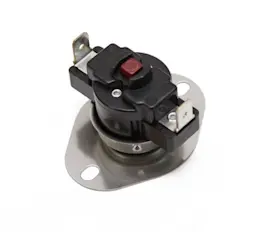
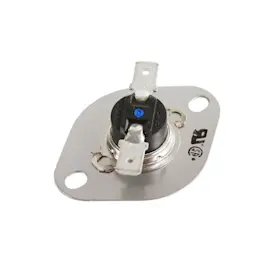
| Oven shuts down or overheats | Safety thermostat/thermal limit | Frigidaire range high-limit thermostat 318578506 |
| Uneven baking, hot spots | Convection airflow (if equipped) | Wall oven convection fan motor 139008502 |
Why it matters
Correct calibration helps your 79049533315 bake times and doneness match recipes, reduces overbrowning, and prevents unnecessary part replacement when the oven is simply running slightly hot or cool.
Last updated: January 2026
How do I reset a wall oven?
To reset your Kenmore wall oven model 79049533315, cancel the current cooking cycle, then power-cycle the oven at the breaker and reset the clock. If you want to restore the control to factory default settings, follow the keypad steps listed in the 79049533315 owner's manual.
Quick reset (power-cycle reset)
- Press OFF or CANCEL to stop any active bake, broil, or timed cycle.
- Turn the oven’s power OFF at the circuit breaker (built-in wall ovens are typically hardwired).
- Wait 1 minute.
- Turn power ON.
- Reset the clock and reselect your cooking function.
Factory default reset (restores control settings)
Use this when the oven runs but settings like tones, clock format, or temperature display have been changed.
- Make sure the oven is idle (no cooking function running).
- Use the “restore factory default settings” procedure in the 79049533315 owner's manual.
What a factory default reset changes
| Reset area | Examples of what returns to default |
|---|---|
| Display and preferences | 12/24-hour mode, silent or audible tones |
| Temperature settings | Fahrenheit/Celsius display, temperature offset |
| Saved items | Stored recipes (cleared) |
If the oven shows an error code after resetting
- Write down the exact code.
- Try the power-cycle reset again.
- If the code returns, troubleshoot the code using Kenmore 790 manual clean wall oven error codes.
Why it matters
A reset clears a stuck electronic control after a power interruption and gets the oven back to normal operation. After power is restored, resetting the clock and oven function helps ensure the controls respond correctly.
Last updated: January 2026
Why is my Kenmore Elite oven not heating but runs?
If your Kenmore 79049533315 wall oven seems to “run” (display works, fan runs, lights work) but it will not heat, the most common causes are a failed heating circuit (bake or broil), an overheat safety device opening, or a bad temperature-sensing/control input. Use the 79049533315 owner's manual to confirm normal Bake and Broil behavior before testing parts.
Quick checks we recommend first
- Confirm the oven is actually in Bake or Broil and not just the timer or light.
- In Bake, wait about 20 seconds, then open the door; you should feel heat starting.
- In Broil, the upper element should begin glowing red.
- If you use convection, the fan can run even while elements cycle on and off; the fan typically stops when the door opens.
- Check your home breaker; many electric wall ovens use a 240V supply and can appear “on” with only one leg of power.
Parts that commonly cause “runs but no heat”
If the quick checks fail, these parts are the most likely suspects on an electric wall oven:
| Symptom | Most likely part | What you’ll notice |
|---|---|---|
| Oven temperature is wrong or heat never stabilizes | Oven temperature sensor | Erratic temps, long preheat, no heat in some cases |
| Oven overheats then stops heating, or won’t heat after an overheat event | High-limit thermostat | Intermittent or no heat, sometimes after self-clean |
| Broil works but bake does not (or vice versa) | Bake or broil element | One mode heats, the other stays cold |
Model-matched examples from our parts list include the cooking appliance oven temperature sensor 5304504897 and the frigidaire range high-limit thermostat 318578506.
Why it matters
A wall oven can look “normal” because the control panel and cooling fan run on lower voltage circuits, while the heating elements require full 240V power and intact safety controls. Pinpointing whether Bake, Broil, or both are affected helps you avoid replacing the wrong part.
Next best step
Follow the functional checks and troubleshooting guidance in the 79049533315 installation guide, then test the suspected component with a multimeter (power disconnected) or have a technician diagnose the heating circuit.
Last updated: January 2026