




What is the average lifespan of a Speed Queen washing machine?
A Speed Queen washer typically lasts about 20 to 25 years in normal home use. For the Speed Queen SWTT21WN (a commercial-style washer), the practical lifespan is often longer than many residential washers because the design is built for frequent cycles and serviceable repairs.
Most washers fall into these real-world ranges:
- Standard residential washers: 10 to 14 years
- Commercial-grade or commercial-style washers (like SWTT21WN): 20 to 25 years
- Well-maintained units with lighter loads: 25+ years
| Washer type | Typical lifespan | What usually ends it first |
|---|---|---|
| Basic residential top-load | 10 to 14 years | Transmission, suspension, leaks |
| Front-load residential | 8 to 12 years | Bearings, door boot leaks |
| Commercial-style top-load | 20 to 25 years | Pumps, seals, bearings |
These issues cause early wear on commercial washers and laundry center units:
- Overloading (especially heavy items like rugs and blankets)
- Chronic oversudsing from too much detergent
- Running with slow drains or partial clogs (pump strain)
- Small leaks that go unnoticed (rust, bearing damage)
- Vibration from an unlevel cabinet or worn support components
On SWTT21WN, many “end of life” symptoms are actually repairable wear items. If you are seeing draining problems, leaks, or loud operation, these parts are common suspects:
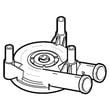
- Speed queen washer drain pump 205217P (won’t drain, slow drain, water left in tub)
- Speed queen washer tub gasket 36425 (leaks around the tub area)
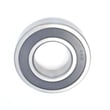
- Speed queen washer tub support and bearing assembly 39254 (roaring noise, rough spin)
A longer-lasting washer usually costs less per year to own. With a commercial-style Speed Queen like SWTT21WN, keeping up with leveling, drain flow, and leak prevention helps you avoid expensive secondary damage to the tub, bearings, and drive system.
Last updated: January 2026
How do I reset the error code on my Speed Queen washer?
On the Speed Queen SWTT21WN, the most reliable way to clear many error codes is a power reset: turn the washer off, unplug it (or switch off the breaker) for about 1 minute, then restore power and start a new cycle. If the code returns, fix the underlying condition first.
- Press Power/Off to stop the cycle.
- Unplug the washer (or turn the breaker off).
- Wait 60 seconds.
- Restore power.
- Run a Rinse/Spin or a short cycle to confirm the code is cleared.
Many “resettable” errors are the washer protecting itself from a real problem. Check these first:
- Drain issue: kinked drain hose, clogged standpipe, or slow drain.
- Lid/door not made: lid not fully closed or a lid switch problem.
- Out-of-balance load: bulky items on one side of the tub.
- Water supply issue: faucets not fully open or inlet screens restricted.
- Electrical connection: loose or damaged wiring at a switch, pump, or control.
If troubleshooting points to a specific failure, these model-matched parts are common suspects:
| Symptom you see | What it often points to | Example part for SWTT21WN |
|---|---|---|
| Won’t drain, stops mid-cycle | Pump not moving water | Speed queen washer drain pump 205217P |
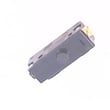
| Intermittent start/stop, lid-related faults | Lid/actuation switch issue | Speed queen switch D512973 |
| Leaks around tub area | Worn seal or gasket | Speed queen washer tub gasket 36425 |
Resetting clears the control’s stored fault state, but the washer will post the code again if the drain system, lid/door circuit, load balance, or water supply problem is still present. Fixing the cause prevents repeat shutdowns and protects the motor, control, and gear case.
Last updated: January 2026
What are common problems with the Speed Queen SWTT21WN?
Common problems we see with the Speed Queen SWTT21WN include no-drain or slow-drain symptoms, lid or start-switch related no-start issues, leaks at tub seals or gaskets, and noise or vibration from load balance or drive components. Most issues trace back to drainage, switching, or sealing.
- Washer won’t drain / water left in tub: clogged drain path, failing pump, or a restriction at the pump inlet
- Won’t start or stops mid-cycle: lid switch or control-related interruption
- Leaking water: tub gasket or other sealing surfaces worn, pinched, or mis-seated
- Loud banging or walking: off-balance loads, weak suspension, or worn drive interface parts
- Grinding or agitation issues: wear in the drive block or related drive components
- Unplug the washer; for a commercial unit, also ensure power is fully disconnected.
- Confirm the drain hose is not kinked and the standpipe is not backing up.
- Reduce detergent and avoid oversudsing; suds can slow draining and rinsing.
- Run a small test load to see if vibration is load-related.
- Inspect for visible drips under the tub area after fill and after drain.
| Symptom | Likely part area | Example part for this model |
|---|---|---|
| No drain / slow drain | Drain pump | Speed queen washer drain pump 205217P |
| No start / intermittent stop | Switch circuit | Speed queen switch D512973 |
| Leak at tub area | Tub seal/gasket | Speed queen washer tub gasket 36425 |
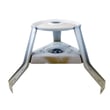
| Agitation noise or poor drive | Drive interface | Speed queen washer drive block 39508P |
On a Speed Queen commercial washer like the SWTT21WN, small issues (a weak pump, a leaking gasket, or a flaky switch) can quickly turn into downtime, water damage, or repeated out-of-balance cycles. Catching the symptom early usually keeps the repair simpler.
Last updated: January 2026


