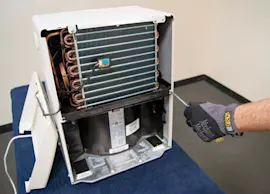
Owner’s manual
 Error Codes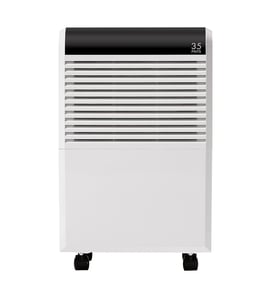




How many square feet will a 70 pint dehumidifier take care of?
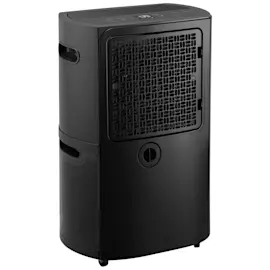
A 70-pint dehumidifier like the Haier HEN70ETF is built for large spaces; in real homes it typically handles about 1,000 to 2,500 sq. ft., depending on how damp the area is, how warm it is, and how open the floor plan is. For model-specific operating guidance, use the HEN70ETF owner’s manual.
Typical coverage ranges (what to expect)
Coverage depends more on moisture load than on square footage alone. Use these practical ranges as a starting point:
- Very damp / wet areas (standing moisture, frequent seepage): ~1,000 to 1,500 sq. ft.
- Damp basements (musty smell, visible condensation at times): ~1,500 to 2,000 sq. ft.
- Moderately damp living areas (seasonal humidity, normal ventilation): ~2,000 to 2,500 sq. ft.
- Crawlspaces vary widely; sealing and ventilation can change results dramatically
Quick sizing table
| Space condition | Common signs | Typical 70-pint coverage |
|---|---|---|
| Very damp | wet walls/floors, constant musty odor | 1,000 to 1,500 sq. ft. |
| Damp | condensation, musty smell, humid feel | 1,500 to 2,000 sq. ft. |
| Moderate | seasonal humidity, comfort issue | 2,000 to 2,500 sq. ft. |
What changes the square-foot rating the most
- Humidity level (higher RH means less coverage)
- Temperature (cool basements often reduce moisture removal)
- Airflow and layout (closed doors and small rooms reduce effectiveness)
- How often the bucket fills (frequent shutoffs reduce dehumidifying time)
- Filter cleanliness; a clogged filter restricts airflow
If airflow seems weak, replacing the air filter WJ85X23674 helps restore performance.
Why it matters
Right-sizing prevents short cycling, reduces bucket overflow interruptions, and helps maintain a steadier indoor humidity level (often targeted around 45% to 55% RH for comfort).
Last updated: January 2026
How many hours a day should you run a dehumidifier?
For a Haier HEN70ETF dehumidifier, we typically recommend running it 6 to 12 hours per day for normal humidity control; in very damp spaces or after a leak, it can run nearly continuously for 24 to 48 hours until the room dries, then cycle on and off to hold your set humidity.
Best daily runtime targets (what we use in the field)
- Maintenance in a lived-in room: 6 to 12 hours/day
- Basement or persistently damp area: 10 to 18 hours/day
- Initial dry-out after water intrusion: 24 to 48 hours (then reassess)
- Goal humidity: 30% to 50% RH (most homes feel best around 40% to 50%)
What changes how long it needs to run
- Room size and air circulation (closed doors and poor airflow increase runtime)
- Outdoor humidity and season (summer often requires longer runtime)
- Moisture sources (laundry, showers, cooking, seepage)
- Filter condition; a clogged filter reduces airflow and moisture removal
- Drain method (bucket vs. continuous drain) and how often the tank fills
Quick settings guide
| Situation | Humidity setting | Fan | Expected behavior |
|---|---|---|---|
| Everyday comfort | 40% to 50% | Auto/High | Cycles on/off |
| Musty basement | 35% to 45% | High | Longer cycles |
| Dry-out after leak | 30% to 40% | High | Runs most of the time |
Why it matters
Running long enough to reach a stable 30% to 50% RH helps prevent musty odors and condensation, while avoiding over-drying that can waste energy and make a space feel uncomfortable.
If it runs all day but still feels damp
Use these checks first:
- Clean or replace the air filter WJ85X23674
- Confirm doors/windows are closed and airflow is not blocked
- Empty and reseat the bucket; check the float moves freely
- Verify the room temperature is not too low (cold air reduces moisture removal)
- Follow the cleaning steps in the HEN70ETF owner’s manual
Last updated: January 2026
Is a 70 pint dehumidifier good?
Yes. A 70-pint dehumidifier is a strong, whole-area option for damp basements, large rooms, or very humid conditions; for the Haier HEN70ETF, it is typically the right size when you need faster moisture removal and fewer tank-emptying cycles. For exact operating details, use the HEN70ETF owner's manual.
When a 70-pint unit is the right choice
A 70-pint dehumidifier is a good fit when you have any of these conditions:
- Basement or lower level that stays musty or feels clammy
- Visible condensation on windows or cold pipes
- Persistent odors, damp carpet, or damp storage areas
- High humidity from laundry, showers, or poor ventilation
- You want fewer shutoffs from a full bucket (or you plan to use a drain hose)
Quick sizing guide (typical)
Use this as a practical rule-of-thumb; room layout, temperature, and air leaks change results.
| Space and moisture level | Typical pick | What you can expect |
|---|---|---|
| Small room, light dampness | 20 to 35 pint | Slower drying, less power use |
| Medium area, moderate dampness | 35 to 50 pint | Balanced performance |
| Basement or heavy dampness | 50 to 70 pint | Faster drying, better control |
Why it matters
If the dehumidifier is undersized, it runs constantly and still struggles to reach your humidity setpoint. If it is oversized, it cycles on and off more often, which can be noisier and less efficient in mild conditions.
Tips to get the best performance from a 70-pint dehumidifier
- Keep doors and windows closed while it runs
- Set a realistic target (many homes do well around 45% to 55% RH)
- Clean the filter regularly; a clogged filter reduces airflow (see air filter WJ85X23674)
- Make sure the bucket seats fully and the float moves freely (see float WK11X24753)
- If you see water on the floor, follow how to stop dehumidifier leaks
Last updated: January 2026
What is the downside of a dehumidifier?
A dehumidifier (including the Haier HEN70ETF) can make a space more comfortable, but the main downsides are added electricity use, fan/compressor noise, and ongoing upkeep like emptying the bucket and cleaning the filter. If you run it too aggressively, it can also over-dry the air.
Common downsides to expect
- Higher energy use: longer run times can raise your electric bill.
- Noise: the fan and compressor can be noticeable in bedrooms or quiet offices.
- Regular maintenance: you need to empty the tank (or set up a drain) and keep the filter clean.
- Over-dry air: very low humidity can cause dry skin, irritated sinuses, and static.
- Cold-room performance: many dehumidifiers remove less moisture in cooler basements.
- Does not fix the moisture source: it manages symptoms, but leaks, poor ventilation, or seepage still need attention.
Maintenance that reduces the “downside” factor
Keeping airflow and drainage in good shape helps the unit run quieter and more efficiently.
- Clean and reinstall the air filter WJ85X23674 on a regular schedule.
- Make sure the bucket seats fully and the float moves freely; a stuck float can shut the unit off early.
- If the bucket is cracked, warped, or won’t latch correctly, replace the water tank assembly WK10X24754.
- If the unit stops because it “thinks” the tank is full, inspect the float WK11X24753 for binding or damage.
Quick trade-off guide
| Concern | What you notice | What usually helps |
|---|---|---|
| Energy cost | Runs often, warm air discharge | Clean filter, set a realistic humidity target |
| Noise | Humming, fan sound | Level the unit, keep airflow clear |
| Too-dry air | Dry skin, static | Raise setpoint, use auto mode, reduce run time |
| Water handling | Frequent emptying | Use continuous drain if your setup allows |
Why it matters
A dehumidifier works best when it can move air freely and drain water reliably. When airflow is restricted or the tank/float system is finicky, you get more noise, more run time, and less moisture removal per hour.
For model-specific operating and care details, use the HEN70ETF owner’s manual.
Last updated: January 2026