Get free shipping on your order, with any water filter subscription. Find my filter

Open Hamburger Menu
Sears Parts Direct
Tips to find your model number
GE GTW490ACJ2WW washer

GE GTW490ACJ2WW washer Parts

Here are the diagrams and repair parts for GE GTW490ACJ2WW washer, as well as links to manuals and error code tables, if available.

By Schematic
By Part
SELECT DIAGRAM
?

This is the number corresponding to the part on the diagram / schematic

Browse Parts for GTW490ACJ2WW Washer

  • Washer Shifter Assembly for GE GTW490ACJ2WW - Part WH03X30517

    Tub & motor diagram

    Mode Shifter

    Part #WH05X24435

    Replaced by #WH03X30517

    Info Icon
    Manufacturer substitution
    This part replaces WH05X24435. Substitute parts can look different from the original.
    In Stock
    $47.58
    11% OFF Phone Price : $53.58Info Icon
    Minus Item
    Qty
    Plus Item
  • Washer Suspension Rod And Spring Assembly, Right (green) for GE GTW490ACJ2WW - Part WH16X26910

    Tub & motor diagram

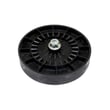
  • Washer Gear Case Pulley And Nut for GE GTW490ACJ2WW - Part WH03X32097

    Tub & motor diagram

    Washer Transmission Pulley

    Part #WH49X25379

    Replaced by #WH03X32097

    Info Icon
    Manufacturer substitution
    This part replaces WH49X25379. Substitute parts can look different from the original.
    In Stock
    $31.64
    16% OFF Phone Price : $37.64Info Icon
    Minus Item
    Qty
    Plus Item
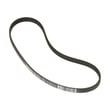
  • Washer Drive Belt for GE GTW490ACJ2WW - Part WH01X24180

    Tub & motor diagram

    Washer Drive Belt

    In Stock
    $17.26
    10% OFF Phone Price : $19.26Info Icon
    Minus Item
    Qty
    Plus Item
  • Washer Clutch for GE GTW490ACJ2WW - Part WH05X24185

    Tub & motor diagram

    Washer Clutch

    In Stock
    $30.67
    16% OFF Phone Price : $36.67Info Icon
    Minus Item
    Qty
    Plus Item
  • Washer Speed Sensor for GE GTW490ACJ2WW - Part WH03X32158

    Tub & motor diagram

    Washer Speed Sensor

    Part #WH12X25294

    Replaced by #WH03X32158

    Info Icon
    Manufacturer substitution
    This part replaces WH12X25294. Substitute parts can look different from the original.
    In Stock
    $30.64
    16% OFF Phone Price : $36.64Info Icon
    Minus Item
    Qty
    Plus Item
  • Washer Screw for GE GTW490ACJ2WW - Part WH02X24374

    Tub & motor diagram

    Washer Screw

    In Stock
    $8.48
    11% OFF Phone Price : $9.48Info Icon
    Minus Item
    Qty
    Plus Item
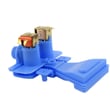
  • Washer Water Inlet Valve Assembly for GE GTW490ACJ2WW - Part WH13X26535

    Top panel & lid diagram

    Washer Water Inlet Valve Assembly

    Part #WH13X24392

    Replaced by #WH13X26535

    Info Icon
    Manufacturer substitution
    This part replaces WH13X24392. Substitute parts can look different from the original.
    In Stock
    $46.26
    11% OFF Phone Price : $52.26Info Icon
    Minus Item
    Qty
    Plus Item
  • Washer Water Inlet Valve Assembly for GE GTW490ACJ2WW - Part WH13X26535

    Top panel & lid diagram

    Washer Water Inlet Valve Assembly

    Part #WH13X24386

    Replaced by #WH13X26535

    Info Icon
    Manufacturer substitution
    This part replaces WH13X24386. Substitute parts can look different from the original.
    In Stock
    $46.26
    11% OFF Phone Price : $52.26Info Icon
    Minus Item
    Qty
    Plus Item
  • Lid Lock for GE GTW490ACJ2WW - Part WH08X37938

    Top panel & lid diagram

    Washer Lid Lock

    Part #WH01X24114

    Replaced by #WH08X37938

    Info Icon
    Manufacturer substitution
    This part replaces WH01X24114. Substitute parts can look different from the original.
    In Stock
    $78.53
    7% OFF Phone Price : $84.53Info Icon
    Minus Item
    Qty
    Plus Item

GE Washer GTW490ACJ2WW FAQs

A GE washing machine typically lasts 10 to 14 years. For your GE GTW490ACJ2WW top-load washer, consistent maintenance and avoiding overloads are what most often determine whether you land closer to 10 years or push past 14. See the care guidance in the owner's manual.

Typical lifespan and what affects it

Most washer life comes down to mechanical wear, water conditions, and how the machine is used.

  • Loads and frequency: daily use and heavy loads shorten life
  • Overloading: stresses the drive system, suspension, and tub
  • Water quality: hard water can increase buildup and valve wear
  • Ventilation and drying: leaving the lid open helps prevent odor and corrosion
  • Hose condition: old hoses are a common failure point; replace about every 5 years

Maintenance that extends life (high impact)

These steps match the GTW490ACJ2WW care recommendations and common top-load best practices.

  • Replace water supply hoses on a 5-year schedule
  • Wipe spills promptly; keep the exterior dry
  • Leave the lid open after cycles so the basket can dry
  • Clean the basket with a soft cloth and mild detergent (avoid harsh or gritty cleaners)
  • Run a periodic cleaning routine if you notice odor or residue

Quick reference: what to replace and when

Item Practical interval Why it matters
Water supply hoses Every 5 years Reduces risk of hose failure and water damage
Deep cleaning / deodorizing As needed (often monthly to quarterly) Helps prevent odor, residue, and buildup
Leveling and load habits Ongoing Reduces vibration and suspension wear

Why it matters

A washer that is kept clean, not overloaded, and protected from hose failures usually runs longer and more quietly. It also helps prevent common issues that lead to early repairs, such as excessive vibration, draining problems, and fill errors.

Last updated: February 2026

On the GE GTW490ACJ2WW top-load washer, there is no routine, user-accessible “filter” like you’ll see on many front-load models. For this washer, the practical “filtering” points are the inlet valve screens at the hose connections and the drain path (pump and hose) if you’re troubleshooting slow draining.

What you can check (the closest things to a filter)

  • Water inlet screens: Small mesh screens inside the hot and cold water inlet ports where the fill hoses connect.
  • Drain system: Coins, lint, and small items can restrict flow in the tub-to-pump hose, pump, or drain hose.
  • Wash basket area: Check for items trapped under the washplate if you hear rattling or notice poor wash action.

Where these are located

“Filter” area Location on the washer What it affects
Inlet valve screens Back of washer at the hot/cold hose connections Slow fill, fill errors, weak water flow
Drain pump path Bottom area of washer (internal access) Won’t drain, drains slowly, standing water

Quick steps to inspect safely

  1. Unplug the washer.
  2. Turn both water supply valves off.
  3. Remove the fill hoses and check the inlet screens for sediment; rinse debris off and reinstall.
  4. If the washer won’t drain, inspect the drain hose for kinks and consider checking the pump for obstructions.

Parts that commonly relate to “filter” symptoms

If you’re dealing with slow draining or no-drain symptoms, these model-matched parts are often involved:

Why it matters

A clogged inlet screen can make the washer fill slowly or inconsistently, and a restricted drain path can leave water in the basket and stop the cycle before the final spin. Keeping these areas clear helps prevent error conditions and repeat interruptions.

For indicator lights and troubleshooting guidance specific to this platform, use the GTW490ACJ2WW owner's manual.

Last updated: February 2026

A 5.0 cu. ft. washer holds 0.5 cu. ft. more than a 4.5 cu. ft. washer, which means more room for bulky items and fewer loads. Your GE GTW490ACJ2WW is a high-efficiency top-load washer; load sizing and water-level selection affect results as much as tub volume.

What the extra 0.5 cu. ft. changes

  • Bulky items (comforters, blankets) have more space to circulate.
  • You can combine loads that might be split in a smaller tub.
  • Large towel loads fit with less packing.
  • Overloading becomes easier; packed loads clean worse and can increase vibration.

Quick comparison

Capacity Practical difference Best fit
4.5 cu. ft. Large capacity for most households Mixed weekly laundry, sheets, towels
5.0 cu. ft. More room for bulky loads and bigger mixed loads Larger households, frequent comforters

Tips that matter for GE GTW490ACJ2WW performance

GE’s high-efficiency design can show a lower water level than older washers; that is normal. For best cleaning and rinsing:

  • Load loosely; do not press clothes down or pack the basket.
  • Choose the correct load size or use automatic load sensing (Precise Fill on some models).
  • For bulky, lightweight items (comforters, pillows), use a higher manual water level when needed so the load fully saturates.
  • Use HE detergent and measure carefully to avoid oversudsing.

For the exact control settings and load-size guidance for this model, follow the GTW490ACJ2WW owner's manual.

Why it matters

Capacity is only useful when clothes can move freely. A slightly smaller tub with proper loading and the right water level cleans better than a larger tub that is overloaded.

Last updated: February 2026
Most common symptoms to help you fix your washers

Choose a symptom to see related washer repairs.

Main causes: clogged drain hose, house drain clogged, bad drain pump, water-level pressure switch failure, bad control b…

Main causes: broken lid switch or lid lock, bad pressure switch, broken shifter assembly, faulty control system…

Main causes: worn agitator dogs, bad clutch, broken motor coupler, shifter assembly failure, broken door lock, suspensio…

Main causes: water heater failure, bad water temperature switch, faulty control board, bad water valve, faulty water tem…

Main causes: lack of electrical power, wiring failure, bad power cord, electronic control board failure, bad user interf…

Main causes: no water supply, bad water valves, water-level pressure switch failure, control system failure, bad door lo…

Main causes: unbalanced load, loose spanner nut, worn drive block, broken shock absorber or suspension spring, debris in…

Main causes: leaky water inlet valve, faulty water-level pressure switch, bad electronic control board…

Main causes: bad lid switch or door lock, bad timer or electronic control board, wiring failure, bad water inlet valve a…

Repair guides for electric ranges

How to replace an oven temperature sensor on an electric range

How to replace an oven temperature sensor on an electric range

These step-by-step instructions guide you through replacing an oven temperature sensing probe.…

Repair time and Difficulty

 15 minutes or less
How to replace an electric range oven control board

How to replace an electric range oven control board

If the electronic oven control board isn't powering the bake and broil functions, you can replace it in less than half a…

Repair time and Difficulty

 15 minutes or less
How to replace a range surface element control switch

How to replace a range surface element control switch

The surface element control switch lets you turn the stovetop elements on and off, and to set the heat level. These step…

Repair time and Difficulty

 15 minutes or less

Effective articles & videos to help repair your washers

Use the advice and tips in these articles and videos to get the most out of your washer.

How auto-load sensing washers work (and when they don't)

How auto-load sensing washers work (and when they don't)

Your washer barely fills or seems stuck in sensing mode? Find out how auto-load sensing and Precise Fill features work, …

How to remove the main control board and user interface from a Maytag Epic Z front-load washer

How to remove the main control board and user interface from a Maytag Epic Z front-load washer

Get step-by-step instructions for removing the main electronic control board and the control panel from a Maytage Epic Z…

Using a wiring schematic to trace a current video

Using a wiring schematic to trace a current video

Find out what’s wrong with your appliance by following a circuit.…

Parts & More

Bottom-Mount Refrigerator
Dishwasher
Electric Range
Electric Wall Oven
Front-Engine Lawn Tractor
Gas Walk-Behind Mower
Ice Cream Maker
Parts
Refrigerator
Side-By-Side Refrigerator
Small Appliance
Washer
Workbench