Error Codes



How old is my water softener?
For Kenmore water softener model 62542841, the most reliable way to estimate age is to find the date code or serial information on the unit’s rating label (typically on the cabinet back or inside the control cover). That code indicates the manufacturing timeframe.
Where to look on a Kenmore 62542841
Check these common label locations first:
- Back of the cabinet near the power cord entry
- Inside the control cover (remove the cover carefully)
- Side wall of the resin tank area (if accessible)
- Brine tank rim or inner wall (less common)
What to write down (so you can decode it)
Capture the details exactly as printed:
- Model number: 62542841
- Serial number (full string)
- Any “MFG DATE”, “DATE”, or stamped code
- Control head numbers (if shown)
| What you find | What it usually tells you | Why it helps |
|---|---|---|
| Serial number with letters and numbers | Build date or production batch | Best clue to age |
| Separate date code (month/year or week/year) | Manufacturing month and year | Fastest to interpret |
| Patent numbers | Design patent timing (not build date) | Not reliable for exact age |
If you do not find a clear date code
Use these practical checks to narrow the timeframe:
- Look for original installation stickers on nearby plumbing or the brine tank
- Check home records: water treatment invoice, filter media purchase, or plumbing permit
- Compare your symptoms to common age-related issues (motor stalls, valve wear, resin exhaustion)
Why it matters
Knowing the approximate age helps us choose the right next step: cleaning the nozzle/venturi, checking hardness settings, or planning a repair versus replacement. If you are troubleshooting performance, start by confirming hardness with a test kit 0503624.
Last updated: February 2026
Where can I find the water softener model number?
On the Kenmore water softener model 62542841, the model number is typically printed on a rating label on the cabinet or brine tank, or stamped/printed on the resin tank area. Check the outside first, then look under the brine tank lid and around the base.
Common places to check
- Outside of the cabinet near the control head (front or side panel)
- Inside the brine tank under the lid (top edge or underside of the lid)
- Back panel near the power cord or drain hose connection
- Around the base of the brine tank (lower rear corners are common)
- On or near the resin tank area (some units have markings on the tank)
What the label usually looks like
Most water softener ID labels include a few fields. Use the model number field to match parts.
| Label field | What it helps with | Example you might see |
|---|---|---|
| Model number | Correct parts lookup | 62542841 |
| Serial number | Production tracking | Letters and numbers |
| Electrical rating | Power requirements | 120V, 60Hz |
Tips if the label is hard to read
- Wipe the label gently with a damp cloth; dried salt dust can hide the print.
- Use a flashlight at an angle; glare often makes faded ink easier to see.
- Take a close-up photo and zoom in to read worn characters.
- If the label is missing, match parts by comparing what you see inside the brine tank and valve area; a water hardness test can also confirm performance after repairs using a test kit 0503624.
Why it matters
The model number ensures you get the right Kenmore water softener parts (valve components, timer parts, seals) and the right troubleshooting steps, especially when diagnosing display issues or regeneration problems using Kenmore error codes.
Last updated: February 2026
What is the life expectancy of a Kenmore water softener?
A Kenmore water softener like model 62542841 typically lasts 8 to 15 years. With normal use and basic upkeep, the control components can run for years, while the resin bed is the most common “wear” item and often needs attention around the 10 to 15 year mark.
What affects lifespan the most
- Water quality: high chlorine, iron, or sediment shortens resin life
- Water usage: heavy household demand increases regeneration cycles
- Salt quality and maintenance: salt bridging, mush, and dirty brine tanks strain the system
- Correct settings: hardness and regeneration schedule set properly
- Regular cleaning: keeping the nozzle/venturi area clear helps consistent brining
Signs it is near end of life (or needs major service)
- Hard water symptoms return (spots, scale, stiff laundry) soon after regeneration
- Frequent regenerations with little improvement
- Low water pressure or reduced flow through the softener
- Brine tank issues (not drawing brine, overfilling, persistent salt bridging)
- Repeating control faults; use Kenmore error codes to identify what the display is reporting
Quick “repair vs. replace” guide
| What you notice | Most likely cause | Typical next step |
|---|---|---|
| Softening is weak but unit runs | Resin worn, fouled, or settings off | Verify hardness, clean brine system, consider resin service |
| Noisy or stuck during cycles | Drive/motor/valve issue | Diagnose error code, inspect valve drive components |
| Leaks or constant drain flow | Valve seals/spacers, debris | Clean/inspect valve, replace worn sealing parts |
| Brine not being drawn | Nozzle/venturi restriction | Clean nozzle/venturi and brine line |
Why it matters
A softener that is past its effective service life can waste salt and water, allow scale to build in plumbing and water heaters, and create flow restrictions that feel like low pressure. Catching resin or valve issues early usually prevents bigger performance problems.
Last updated: February 2026
How does the Kenmore water softener work?
The Kenmore water softener model 62542841 removes hardness minerals (mainly calcium and magnesium) by running your water through a resin tank that “trades” those minerals for sodium from salt. Periodically, it regenerates by flushing the resin with brine and sending the mineral-rich wastewater to the drain.
What happens during normal softening
When you use water in the house, the softener treats it automatically.
- Hard water enters the control valve and flows into the resin tank.
- Resin beads capture hardness minerals and release sodium in exchange.
- Softened water exits to your home’s plumbing.
- The unit tracks usage (or time) to decide when to regenerate.
What happens during regeneration (cleaning cycle)
Regeneration restores the resin so it can keep softening effectively.
- Backwash: water reverses flow to lift and rinse the resin bed; debris goes to the drain.
- Brine draw/slow rinse: brine is pulled from the salt tank through the resin to recharge it.
- Fast rinse: fresh water rinses excess brine and remaining minerals to the drain.
- Brine refill: the salt tank refills with water to make brine for the next cycle.
Quick stage summary
| Stage | Purpose | Where the water goes |
|---|---|---|
| Service | Softens household water | To the home |
| Backwash | Cleans and re-levels resin bed | To the drain |
| Brine draw / rinse | Recharges resin with sodium | To the drain |
| Fast rinse | Flushes leftover brine | To the drain |
| Brine refill | Prepares brine for next time | Into the salt tank |
Why it matters
If the resin is not regenerating correctly, you will notice hard-water symptoms (spots on dishes, scale, stiff laundry) even when the salt tank looks full. Checking hardness and keeping the brine system clean prevents most “no soft water” complaints.
Helpful checks we recommend
- Test your incoming water hardness with the test kit 0503624 and set the softener hardness accordingly.
- Keep salt above the water line in the brine tank; break up salt bridges.
- If you see error messages or the unit seems stuck in a cycle, use Kenmore error codes to match the code to the likely failed part.
- If regeneration is weak, cleaning the nozzle/venturi and checking for drain line restrictions are common fixes.
Last updated: February 2026
Is it worth repairing a water softener?
Yes, repairing a Kenmore water softener model 62542841 is worth it when the problem is a normal maintenance issue (salt bridging, clogged venturi, stuck valve) or a single component failure; replacement makes more sense when the unit has repeated breakdowns or major valve/tank damage.
Quick decision checklist
- Repair when the softener still regenerates but performance is inconsistent (hard water comes and goes).
- Repair when the issue is maintenance-related (salt mush, dirty brine system, clogged nozzle/venturi).
- Repair when you can isolate the failure to one assembly (timer, valve motor, rotor position switch).
- Replace when you see recurring leaks from the valve body or tank area.
- Replace when resin is exhausted and the unit also has control or valve problems.
- Replace when repairs are frequent enough that downtime and salt waste are becoming routine.
Common “repairable” problems (and what to try first)
- No soft water: verify salt level, break up a salt bridge, then clean the nozzle/venturi.
- Stuck in a cycle or error code: clear the code, then inspect the drive motor and position sensing.
- Poor brine draw: check for a kinked brine line and buildup in the injector/venturi.
Helpful DIY references:
Cost and effort comparison
| Situation | Typical fix | Usually worth repairing? |
|---|---|---|
| Hard water, unit still runs | Cleaning, settings check, brine system service | Yes |
| Error codes or won’t advance | Electrical/drive component diagnosis | Often |
| Leaking valve or tank area | Seal/valve work or tank replacement | Depends |
| Multiple failures in a year | Mixed parts plus labor | Usually replace |
Parts that can support a repair
If your softener needs media service, the correct bed support material matters for flow and resin protection. For this model, we stock gravel 7124415.
Why it matters
A properly working softener protects plumbing, water heaters, and fixtures from scale; when it is malfunctioning, you can waste salt and water during regeneration while still getting hard water.
Last updated: February 2026
Why is my Kenmore water softener not regenerating?
If your Kenmore water softener model 62542841 is not regenerating, the most common causes are a salt or brine problem (salt bridge, mush, or too much water in the brine tank), a clogged nozzle/venturi, or a control issue that prevents the unit from advancing through the regeneration cycle.
Quick checks we recommend first
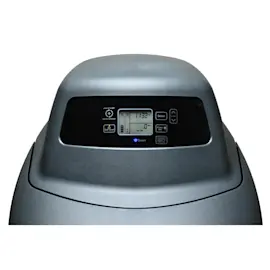
- Confirm the unit has power and the display is on (if equipped).
- Break up any salt bridge (hard crust) and remove salt mush (sludge at the bottom).
- Look in the brine tank; it should not be unusually full of water between cycles.
- Make sure the bypass valve is fully in the service position.
- Verify your hardness setting and time of day are correct.
What “too much water in the salt tank” usually means
When the brine tank stays high, the softener often cannot draw brine properly. These are the most common reasons:
| Symptom | Likely cause | What to do next |
|---|---|---|
| Brine tank water stays high | Nozzle/venturi clogged | Clean the nozzle/venturi and screens; follow steps in how to clean a water softener nozzle and venturi |
| Brine tank water stays high | Drain line restricted or kinked | Straighten/clear the drain line; confirm steady flow during regen |
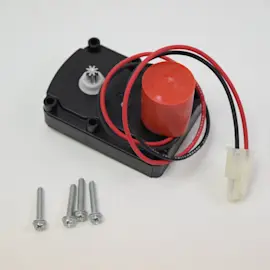
| Unit won’t advance through cycle | Valve motor/timer issue | Use Kenmore error codes and consider how to replace a water softener valve motor or how to replace a water softener timer |
Parts and supplies that can help
These model-specific items are commonly used during diagnosis and maintenance:
- Test kit 0503624 to confirm incoming water hardness and verify soft water after regeneration
- Gravel 7124415 (used in some tank media configurations; replace only when servicing the resin bed)
Why it matters
A softener that does not regenerate will quickly run out of capacity, leading to hard water symptoms like spotting, scale buildup, and reduced water heater efficiency. Fixing brine draw and cycle-advance issues restores consistent soft water.
Last updated: February 2026
What does error 3 mean on a Kenmore water softener?
On Kenmore water softeners such as model 62542841, Error 3 indicates the control is not seeing the valve drive reach or confirm its expected position during operation or regeneration. The most common fixes are checking the valve drive area for a jam, reseating wiring connections, or replacing the position-sensing component.
What to do first (safe, quick checks)
- Unplug the water softener for 60 seconds, then restore power to see if the code clears.
- Start a manual regeneration and listen for the valve motor; repeated clicking, humming, or no movement points to a drive issue.
- Remove the cover and reseat the wire plugs at the motor and switch (a loose connector can trigger the code).
- Check the brine tank for salt bridging or heavy sludge that can interfere with regeneration.
- If the unit recently lost power, reset the time of day and re-try regeneration.
Common causes and the usual correction
| What you notice | What it typically means | What we recommend |
|---|---|---|
| Motor runs but Error 3 returns | Position feedback not being detected | Inspect wiring; replace the position switch if needed |
| Motor hums or stalls | Drive binding or stripped gears | Inspect drive gears and valve for debris or scale |
| Error appears quickly after starting | Connection or control sensing issue | Reseat connectors; inspect for pinched wires |
Repair guidance we use
Follow our troubleshooting flow in Kenmore error codes. If the diagnosis points to the position switch, use how to replace a water softener rotor position switch for step-by-step replacement guidance.
Why it matters
When the valve cannot confirm position, regeneration can stop mid-cycle. That leads to hard water, inconsistent salt use, and poor resin cleaning, which reduces softening performance.
Last updated: February 2026