Owner’s manual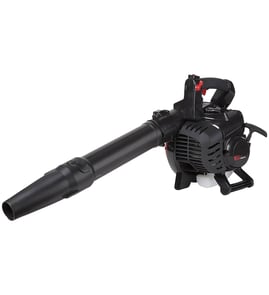





What is the life expectancy of a gas leaf blower?
A gas leaf blower typically lasts about 10 years with normal homeowner use and consistent maintenance. For the Weed EATER FL1500LE gas leaf blower, keeping the air intake and blower tube clear, using the correct fuel mix, and doing routine service are the biggest factors in reaching that lifespan.
What affects how long a gas leaf blower lasts
- Fuel quality and mix: stale fuel or the wrong mix shortens engine life.
- Airflow and cooling: clogged vents and intake raise engine temperatures.
- Filter and ignition upkeep: a dirty air filter or worn spark plug causes hard starting and poor running.
- Operating habits: running at full throttle constantly and using it in heavy dust increases wear.
- Storage practices: storing with fuel in the tank for long periods leads to carburetor and fuel-system issues.
Maintenance checklist we recommend for longer life
Use the guidance in the FL1500LE owner's manual and follow these habits:
- Check the air intake opening and blower tube frequently; do this with the engine stopped and the spark plug disconnected.
- Clean or replace the air filter when performance drops (a restricted filter is a common cause of poor running).
- Use fresh, properly mixed fuel and store fuel in an approved container.
- After heavy use, plan for periodic muffler service; the manual recommends service around 50 hours.
- Let the engine cool before storing or transporting.
Typical lifespan by use level
| Use pattern | Typical life expectancy | What usually ends it first |
|---|---|---|
| Occasional homeowner use | 10+ years | Fuel system varnish from storage |
| Regular seasonal homeowner use | 7 to 10 years | Air filter neglect, overheating from clogs |
| Commercial or heavy daily use | 2 to 5 years | High-hour engine wear, vibration-related failures |
Why it matters
A gas blower that is maintained tends to keep strong airflow and reliable starting for years; neglect usually shows up first as hard starting, surging, and reduced power. Simple upkeep (especially fuel care and keeping the intake and tube clear) protects the engine and extends service life.
Last updated: January 2026
What is the best gas leaf blower for the money?
If you want the best value, we recommend matching the blower to your yard size and how often you use it. Your Weed EATER FL1500LE is a solid choice for typical driveway and patio cleanup; for “best for the money” across brands, look for strong airflow, easy starting, and low vibration, then compare handheld vs backpack based on workload. Use the FL1500LE owner's manual to confirm safe operation and setup.
What “best value” means for gas leaf blowers
A good value blower is the one that finishes your cleanup quickly without being tiring to run or expensive to maintain.
- Air performance: higher CFM moves more leaves; higher MPH helps lift wet or stuck debris
- Comfort: weight, balance, and vibration matter for longer sessions
- Starting and controls: primer bulb and choke should make cold starts predictable
- Noise: choose the lowest throttle that still does the job (often quieter and saves fuel)
- Serviceability: easy access to air filter, fuel lines, and spark plug
Handheld vs backpack: quick comparison
| Type | Best for | Typical value sweet spot | Tradeoffs |
|---|---|---|---|
| Handheld gas | Small to medium yards, quick jobs | Light weight with strong CFM | More arm fatigue on long sessions |
| Backpack gas | Large yards, heavy leaf loads | High CFM with comfortable harness | Higher cost, more storage space |
How to choose using your FL1500LE as a baseline
Your FL1500LE uses common 2-cycle blower features like a primer bulb, choke lever, and throttle lever. When comparing other models in-store, we suggest checking for these practical items:
- Primer bulb placement that is easy to press
- Choke and throttle controls you can operate with gloves
- A blower tube that locks in securely (no wobble)
- Air intake design that resists clogging in dusty conditions
- Easy routine maintenance access (air filter and fuel system)
Why it matters
A “cheap but powerful” blower can cost more over time if it is hard to start, uncomfortable to hold, or requires frequent fuel-system work. Choosing the right class (handheld vs backpack) usually saves the most money because it prevents overbuying or underbuying.
Last updated: January 2026
Is a higher mph or CFM better for a leaf blower?
For the Weed EATER FL1500LE leaf blower, higher CFM is better for moving more leaves and debris volume, while higher MPH is better for pushing heavier or wet debris and breaking it loose. Most homeowners get the best results from a balanced combination of both; use technique and throttle control to match the job (see the FL1500LE owner's manual).
How to choose: MPH vs CFM
- Choose higher CFM when you need to move a lot of dry leaves, grass clippings, or light debris into piles.
- Choose higher MPH when debris is wet, stuck, or heavier (packed leaves, small twigs), or when you need more “push” at the nozzle.
- Balance matters because a fast but low-volume stream can scatter debris, and a high-volume but slow stream can struggle with wet material.
- Your technique counts: keeping the tube close to the ground and using the full tube extension improves control and effectiveness.
Quick guide: what each rating does
| Rating | What it measures | Best for | What you notice in use |
|---|---|---|---|
| CFM | Air volume | Piling and clearing large areas | Moves more leaves per pass |
| MPH | Air speed | Dislodging and pushing heavier debris | Stronger “blast” at the nozzle |
Practical tips for better performance
- Use rakes or brooms to loosen debris before blowing.
- In dusty conditions, lightly dampen surfaces when water is available.
- Run the blower at the lowest throttle that still does the job to reduce noise.
- Keep bystanders at least 30 feet away and wear eye protection marked ANSI Z87.
- Inspect the area first and remove hard objects (rocks, glass, wire) that can be thrown.
Why it matters
Matching MPH and CFM to your yard conditions helps you finish faster with less fuel use and less mess. It also reduces the chance of blowing debris into people, pets, open windows, or vehicles.
Last updated: January 2026