


How many quarts is a KitchenAid K45SS?
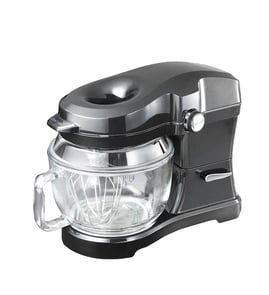
The KitchenAid K45SS stand mixer uses a 4.5-quart mixing bowl capacity, which is the standard size for this Classic tilt-head style. That capacity is a good fit for everyday baking tasks like cookie dough, cake batter, and whipped cream.
What 4.5 quarts means in real use
A 4.5-quart bowl is designed for medium batches and typical home recipes.
- Mixes most standard cookie and cake recipes without crowding the bowl
- Handles bread dough best in moderate quantities (avoid overloading)
- Works well for whipping egg whites and cream with the wire whip
- Helps reduce splatter when you start on low speed and increase gradually
Quick capacity guide
Use this as a practical reference for batch sizing.
| Task | Typical result in a 4.5-qt bowl | Tip |
|---|---|---|
| Cookies | Large family batch | Scrape bowl once mid-mix |
| Cakes | Standard layer cake batter | Start on low to prevent flour puff |
| Bread dough | Moderate dough load | Stop if motor strains or head heats up |
| Whipping | Cream or egg whites | Use the wire whip for best volume |
Parts that affect bowl fit and mixing performance
If the bowl feels loose, the beater hits the bowl, or mixing seems uneven, a worn drive or attachment can be part of the issue.
- Check the attachment condition and fit on the shaft
- Inspect for wobble, rubbing, or unusual noises under load
- Replace worn mixing tools that are bent or out of round
Helpful model-matched examples include the mixer bowl W10802058 and the wire whip WP9704329.
Why it matters
Using the correct bowl capacity for the KitchenAid K45SS helps protect the motor and gears, improves mixing consistency, and reduces splashing. Overfilling is one of the most common causes of strain, overheating, and premature wear in stand mixers.
Last updated: January 2026
What is the #1 rated stand mixer?
The #1 rated stand mixer depends on what you bake most, but KitchenAid bowl-lift models are typically top picks for power and capacity, while KitchenAid tilt-head models are usually top picks for everyday home baking. For KitchenAid model K45SS, we focus on keeping your mixer running like new with the right parts and maintenance.
How to choose the “best” stand mixer for your kitchen
Most ratings come down to performance under load, durability, and ease of use. Here is a quick way to match the mixer style to your needs:
- Bowl-lift: best for frequent bread dough, large batches, and heavy mixing
- Tilt-head: best for cookies, cakes, and typical weekly baking
- Motor strength: look for steady mixing at low speeds without bogging down
- Attachment support: check hub compatibility for pasta rollers, grinders, and more
- Serviceability: models with replaceable gears and controls are easier to keep long-term
What to do if your K45SS is underperforming
If your K45SS struggles, makes grinding noises, or stalls in dough, the issue is often in the drive train or speed control. These parts are commonly involved:
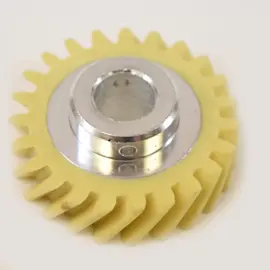
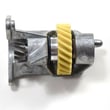
- Gear WPW10112253 (worm gear): can wear or strip under heavy loads
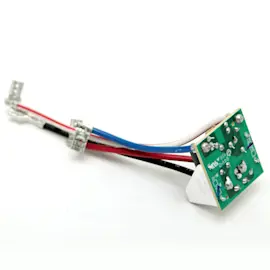
- Phase control board WPW10325124: can cause weak power or inconsistent speed
- Speed control board WPW10119326: can cause surging, dead speeds, or no start
- Check the bowl and beater clearance; improper clearance can mimic “low power”
- Reduce batch size for stiff doughs; overloading shortens gear life
| Symptom | Most likely area | Common next step |
|---|---|---|
| Loud clicking or grinding | Gear case and gears | Inspect worm gear for wear |
| Speeds jump or surge | Speed control | Check control plate and connections |
| Runs weak on all speeds | Phase control | Test and replace control board |
Why it matters
“Top-rated” mixers stay top-rated because they hold speed under load and last for years. Keeping wear parts like gears and control boards in good shape helps your K45SS deliver the same consistent mixing that earns KitchenAid models high marks.
Last updated: January 2026
When was the K45SS KitchenAid mixer made?
The KitchenAid K45SS stand mixer was produced for decades; the K45 series dates back to the early 1940s, and K45SS units are commonly associated with mid-to-late 20th century production. For the exact build date of your specific mixer, match the serial information on the unit to the correct parts configuration.
How to narrow down the build date for your exact K45SS
Because “K45SS” spans a long production run, the most reliable way to date your mixer is to use the identification details on the mixer and confirm which parts and revisions it uses.
- Locate the model and serial information on the mixer (typically on the base or underside).
- Write down the full serial number exactly as shown.
- Compare your mixer’s visible features (bowl-lift vs tilt-head, control lever style, trim band details).
- Confirm internal configuration by matching common wear parts during inspection.
- Use parts fit and revision clues to avoid ordering the wrong gear case or control components.
Parts that often reflect the mixer’s revision
If you are opening the gear case for service, the parts used inside can help confirm which version you have.
- Gear WPW10112253 (worm gear): commonly replaced when the mixer runs but the beater stops turning.
- Phase control board WPW10325124: relevant when speeds surge, stall, or behave inconsistently.
- Plate-ctrl WPW10119326: relevant when the speed lever positions do not match actual speeds.
| What you notice | What it often points to | Example part to check |
|---|---|---|
| Motor runs, beater does not turn | Stripped worm gear or drivetrain issue | Gear WPW10112253 |
| Speeds jump or pulse | Electronic speed control issue | Phase control board WPW10325124 |
| Speed lever feels normal but speeds are wrong | Speed control plate calibration or wear | Plate-ctrl WPW10119326 |
Why it matters
Knowing the approximate production era helps you choose the correct replacement parts (especially gears, gear case components, and speed controls) and prevents repeat repairs caused by mismatched revisions.
Last updated: January 2026