


How many years should a snowblower last?
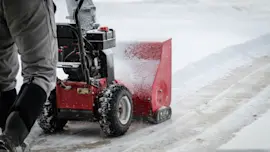
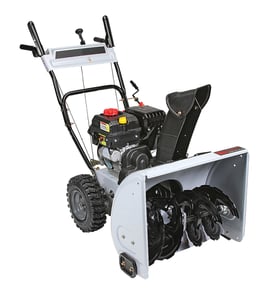
A gas snowblower like the Craftsman 536882502 (22" 5-hp snow thrower) typically lasts 10 to 15 years with normal seasonal use and consistent maintenance. Regular oil changes, fresh fuel practices, and replacing wear items on time are what keep it reliable year after year.
Typical lifespan and what affects it
Most snowblowers land in the same general range, but real-world life depends on a few key factors:
- Usage hours per winter (heavy, frequent storms shorten lifespan)
- Storage conditions (dry, covered storage prevents rust and corrosion)
- Fuel habits (old fuel and varnish cause carburetor and starting problems)
- Maintenance consistency (oil, spark plug, friction disc, belts, skid shoes)
- Operating conditions (gravel drives and ice increase wear on auger housing and scraper bar)
Maintenance that extends snowblower life
These are the habits that most directly add years to a Craftsman gas snowblower:
- Change engine oil on schedule and check the level before each season
- Use fresh gasoline; don’t store fuel in the tank for long periods
- Inspect and replace the spark plug when starting becomes harder
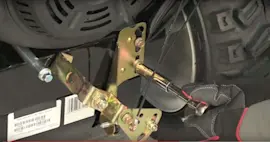
- Check auger and drive controls for smooth operation; adjust if slipping
- Replace worn skid shoes and scraper bar to protect the housing and improve clearing
- Keep shear pins on hand and replace any that are bent or broken
“Replace it” vs “repair it” quick guide
| What you’re seeing | Most likely cause | Usually worth repairing? |
|---|---|---|
| Starts but won’t move | Worn friction disc or drive adjustment | Yes |
| Auger won’t turn | Shear pin broken, belt worn, cable out of adjustment | Yes |
| Hard starting after storage | Old fuel, dirty carburetor, fouled plug | Yes |
| Major rust-through or cracked housing | Corrosion or impact damage | Often no |
Why it matters
A snowblower that is maintained for longevity clears faster, throws snow more consistently, and is less likely to fail mid-storm. For the Craftsman 536882502, staying ahead of common wear parts (drive system and auger protection parts) is usually the difference between a 10-year machine and a 15-year machine.
For help confirming you have the right model number before ordering maintenance parts, use how to find your appliance model number (and what it means for parts).
Last updated: February 2026
Is it cheaper to repair or replace a snowblower?
For a Craftsman 536882502 22" 5-hp snow thrower, repairing is usually cheaper when the fix is a normal wear item (belt, shear pins, scraper bar, carburetor cleaning). Replacing is usually the better value when the repair total reaches about half the cost of a comparable new snowblower.
A quick cost rule we use
- Repair when the estimate is under ~50% of replacement cost
- Replace when the estimate is over ~50%, especially if multiple systems need work (engine + auger drive + chute controls)
- Repair when the machine is otherwise solid and the issue is isolated (one belt, one cable, one bearing)
What typically makes repair the cheaper choice
- Fuel system service: stale gas cleanup, carburetor bowl cleaning, new fuel line
- Drive issues: traction/auger belt replacement, idler pulley adjustment
- Snow-contact wear: scraper bar and skid shoe replacement
- Safety drivetrain protection: replacing broken shear pins after a jam
What typically pushes you toward replacement
- Low compression, heavy smoking, or persistent no-start after proper fuel and ignition checks
- Gearcase damage (grinding, metal flakes in grease, seized auger shaft)
- Bent auger/impeller or cracked housing from impact
- Multiple failures at once (for example: belts, friction disc, and chute rotation all needing parts and labor)
Repair vs replace comparison
| Situation | Usually cheaper | Why |
|---|---|---|
| Starts and runs, but will not move or throw well | Repair | Common wear parts and adjustments restore performance |
| One-time jam broke shear pins | Repair | Low-cost protection parts did their job |
| Engine runs poorly even after fuel system service | Replace (often) | Engine work can exceed the value of an older unit |
| Several major components worn at the same time | Replace | Labor and parts add up quickly |
Why it matters
A snowblower that is close to “like-new” after a small repair can save money for years. But once you are stacking major drivetrain and engine repairs, you can spend a lot and still end up with an unreliable machine during the next storm.
Helpful next step
Use our model number to price out the most likely wear items first, then compare that total to a similar new unit: how to find your appliance model number (and what it means for parts).
Last updated: February 2026
Should I spray my snowblower with WD-40?
Yes, for a Craftsman 536882502 22" 5-hp snow thrower, we recommend spraying a light coat on the inside of the discharge chute and impeller housing to help wet snow slide through and reduce clogging. Keep spray off belts, friction drive parts, and the engine area.
Where WD-40 helps (and where it causes problems)
Use it only on slick, non-drive surfaces that contact snow.
- Good places: inside the chute, chute deflector, impeller housing (light coat)
- Avoid: drive belt area, friction disc and drive plate, pulleys, tires, skid shoes contact surfaces
- Avoid: hot engine/muffler area (overspray can smoke and attract dirt)
- Avoid: controls and cables if you need grip (it can make levers slippery)
Best practice: quick application steps
- Shut the engine off and let all moving parts stop.
- Brush off packed snow and ice first.
- Spray a thin coat; wipe excess so it does not drip.
- Run the machine briefly to confirm normal drive and auger engagement.
WD-40 vs alternatives
These options all aim to reduce snow sticking; choose based on how long you want it to last.
| Option | Stays slick in wet snow | Mess level | Notes |
|---|---|---|---|
| WD-40 | Medium | Medium | Works fast; can wash off sooner in slushy conditions |
| Silicone spray | High | Low | Often lasts longer on plastic and painted metal |
| Nonstick cooking spray | Low to medium | Medium | Convenient, but can attract grime and needs frequent reapply |
Why it matters
Chute clogs force you to stop and clear snow, which increases wear on shear pins, auger components, and the belt drive from repeated re-engagement. A slick chute helps the snow stream stay consistent, especially in heavy, wet conditions.
Helpful related DIY reading
If you are building a basic maintenance kit for seasonal upkeep, we recommend starting with must have tools for appliance repair.
Last updated: February 2026
How to tell if a snowblower auger belt is bad?
A bad auger belt on your Craftsman 536882502 22" 5-hp snow thrower usually shows up as an auger that will not engage, slips under load, or squeals while the engine runs normally. A quick inspection and a simple engagement test will confirm whether the belt is worn, stretched, or damaged.
Common signs the auger belt is failing
- Auger or impeller does not turn when you squeeze the auger control lever
- Auger starts, then stops when it hits heavier snow (belt slipping)
- Burning rubber smell or belt squeal during engagement
- Visible cracking, glazing (shiny spots), fraying, or missing chunks on the belt
- Belt sits deep in the pulley groove (stretched or worn narrow)
- You need to hold the lever unusually hard to keep the auger turning
Quick test you can do safely
- Shut the engine off and let all moving parts stop.
- Remove the spark plug wire so the engine cannot start.
- Squeeze and hold the auger control lever on the handle.
- With the lever held, slowly pull the starter rope or rotate the engine by hand.
- Watch the auger/impeller area: it should begin to move smoothly without hesitation.
If the engine turns but the auger does not move (or moves inconsistently), the auger belt is typically slipping, broken, or not being tensioned correctly.
Belt problem or adjustment problem? (fast comparison)
| What you see | Most likely cause | What to check next |
|---|---|---|
| Belt looks intact but auger slips | Belt stretched or glazed | Belt condition, pulley wear, belt tension/idler action |
| Belt is shredded or off pulleys | Belt failure or misalignment | Pulley alignment, belt guides, debris in belt path |
| Auger will not engage at all | Broken belt or linkage issue | Belt continuity, idler pulley movement, cable/linkage |
Why it matters
A slipping auger belt reduces throwing distance and can overheat, leaving rubber debris in the belt cover. Catching belt wear early helps protect pulleys, the idler pulley, and the auger drive system.
Helpful DIY reading
If you are also troubleshooting controls or wiring on an electric-start setup, our guide on how to use a multimeter to test electrical parts video can help you verify switches and connections.
Last updated: February 2026
How to tell year of Craftsman snowblower by serial number?
For a Craftsman snowblower like model 536882502, the manufacturing year is encoded in the serial number on the ID tag. Craftsman used more than one serial format; once you identify the format, the year is read from a specific character (often the 5th) or from a date code at the start.
Find the model and serial tag
Common locations on a 22-inch gas snow thrower:
- Rear frame near the handles
- Side of the auger housing
- Near the engine mounting area
- Under a belt cover
Clean the label and copy the serial exactly; one wrong character changes the decoded year.
Decode the year (common Craftsman patterns)
Pattern 1: 5th character indicates year in the decade
On many Craftsman tags, the 5th character is the year within a decade.
- Example: 1 = a year ending in 1 (such as 2001 or 2011)
Pattern 2: Month letter plus digits (often seen on MTD-built units)
Some serials start with a month letter followed by digits.
- A through L commonly represent January through December
- The following digits typically represent day and year within the decade
Quick checklist to narrow it to one year
- Write the serial number and count characters carefully
- Check whether the serial starts with a month letter (A to L)
- If the year digit is ambiguous (example: 1), use purchase timeframe and engine date code as a cross-check
Why it matters
The correct year helps us match the right parts for your Craftsman 536882502, especially when items like belts, friction wheel components, or shear pins changed during production.
Helpful resource
Use how to find your appliance model number (and what it means for parts) to confirm you are reading the correct tag information.
| Serial number clue | What it usually means | Best next step |
|---|---|---|
| 5th character is a digit | Year within a decade | Narrow the decade using purchase/engine date |
| Starts with A to L | Encoded month/day/year | Decode month letter, then read the digits |
Last updated: February 2026