

What is the most common problem with a KitchenAid dishwasher?
The most common problem we see on KitchenAid dishwashers like model KDTM384ESS2 is a drain-related issue: the dishwasher will not drain fully, leaves water in the tub, or stops mid-cycle. In most cases, the fix is clearing a blockage in the filter, drain path, or hose before replacing parts.
- Turn off power at the breaker before inspecting under the unit.
- Remove standing water, then check and clean the filter area in the bottom of the tub.
- Inspect the sink drain/disposer connection for a clog (and confirm the disposer knockout plug was removed if newly installed).
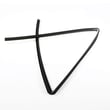
- Check for kinks, pinches, or a sagging loop in the drain line; replace a damaged hose with the dishwasher drain hose 8269144A.
- Run a rinse cycle and listen: a humming drain pump with little or no water movement usually points to a blockage.
Drain issues can also be caused by a failed fill or wash system that prevents proper cycling. These are common parts involved on KDTM384ESS2:
| Symptom | Most likely area | Example part for this model |
|---|---|---|
| Water left in tub at end | Drain path restriction or hose issue | Drain hose (8269144A) |
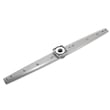
| Poor cleaning plus odd water flow | Spray and circulation routing | Lower spray arm (W11553338) |
| Stops, fills slowly, or no fill | Water supply into dishwasher | Water inlet valve (W11175771) |
A dishwasher that does not drain can trigger cycle interruptions, odors, and poor cleaning because dirty water recirculates. Clearing the drain path early also helps you avoid replacing good parts like the pump and motor assembly.
If you are seeing blinking lights or a fault pattern along with the drain problem, use the KitchenAid microclean he dishwasher error codes guide to match the symptom to the right troubleshooting steps.
Last updated: January 2026
What is the average lifespan of a KitchenAid dishwasher?
A KitchenAid dishwasher typically lasts 9 to 12 years. For your KitchenAid KDTM384ESS2, lifespan depends most on water quality, how often it runs, and basic upkeep like cleaning filters and keeping spray arms clear.
Most modern dishwashers fall into a similar life range, but these factors move the needle the most:
- Hard water and scale can shorten the life of the heating system and wash components.
- Heavy daily use wears the pump, motor, and rack hardware faster.
- Poor draining or standing water stresses seals and can lead to odor and buildup.
- Overloading can damage racks, rollers, and spray patterns.
- Skipped maintenance (filters, spray arms, tub cleaning) reduces cleaning performance and increases strain.
Use this routine to protect key parts like the pump, inlet valve, and heating element:
- Run a dishwasher cleaner monthly (or more often with hard water).
- Keep the spray arms free of debris and mineral buildup.
- Use the right detergent amount; too much can cause residue, too little can reduce cleaning.
- Scrape food off dishes; avoid loading with large chunks that can clog the sump.
- Check for slow leaks around the door and lower seal area.
These are the parts that most often drive “repair vs. replace” decisions over time.
| Category | Examples | What you’ll notice |
|---|---|---|
| Wear items | Rack wheels, adjusters, seals | Rack won’t roll smoothly, door drips, rattles |
| Water flow parts | Inlet valve, drain hose | Not filling, not draining, poor wash results |
| Heat and wash system | Heating element, pump and motor | Not drying, cold wash, loud grinding/humming |
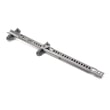
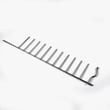
If the lower rack is hard to roll or keeps coming off track, replacing the dishwasher dishrack roller assembly, lower WPW10195417 is a common, cost-effective fix.
A dishwasher near the end of its expected lifespan can still run, but small issues (poor cleaning, leaks, noisy operation) usually point to maintenance needs or a worn part. Addressing those early helps avoid bigger failures.
Last updated: January 2026
Is it worth fixing a KitchenAid dishwasher?
Yes, it’s usually worth fixing a KitchenAid dishwasher like model KDTM384ESS2 when the tub is intact and the repair is limited to common wear parts (latch, valve, hose, racks). Most repairs cost far less than replacing the entire dishwasher, especially when performance issues are caused by a single failed component.
Use this checklist to decide if repair makes sense for your KDTM384ESS2:
- The dishwasher is under ~10 years old and has been reliable overall
- The problem is isolated (won’t fill, won’t drain, won’t heat, door won’t latch)
- There’s no major tub damage or widespread corrosion
- You can identify a likely failed part and access it safely
- The repair restores cleaning, drying, or leak performance without repeated breakdowns
These are typical, high-impact fixes that often bring a dishwasher back to normal operation:
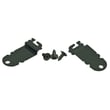
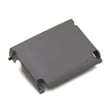
- Won’t start or stops mid-cycle: check the door latch and door closure alignment; consider the dishwasher door latch WPW10653840
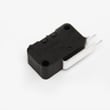
- Not filling: check the water supply shutoff, inlet screen, and consider the dishwasher water inlet valve W11175771
- Not draining: check for a kinked or clogged drain line; consider the dishwasher drain hose 8269144A
- Not drying: verify heated dry settings and airflow; a failed heater can be involved (heating element issues are common across many dishwashers)
- Poor cleaning: inspect spray arm holes and filters; a worn lower spray arm can reduce wash pressure
Typical decision factors for a KitchenAid dishwasher repair vs. replacement:
| Scenario | What it usually means | Typical best choice |
|---|---|---|
| One functional failure (fill, drain, latch) | Single part likely failed | Repair |
| Repeated leaks from multiple areas | Multiple seals/hoses or installation issue | Repair if isolated; replace if recurring |
| Motor/pump failure plus other issues | Higher parts cost and labor | Depends on age and condition |
| Tub damage or severe corrosion | Structural issue | Replace |
A dishwasher is a system: water fill, wash circulation, heating, and draining. When one part fails (like a latch, inlet valve, or drain hose), the rest of the machine is often still in good shape. Fixing the specific failure restores performance and avoids the cost and hassle of replacement.
If you’re seeing blinking lights or a fault pattern, use KitchenAid-specific code help first: KitchenAid microclean he dishwasher error codes.
Last updated: January 2026
Does a KitchenAid dishwasher have a filter to clean out?
Yes. The KitchenAid dishwasher model KDTM384ESS2 uses a filter system that should be cleaned periodically to help prevent poor cleaning, odors, and draining issues. Most owners can remove, rinse, and reinstall the filter by hand in just a few minutes.
In KDTM384ESS2, the filter is typically located at the bottom of the tub under the lower spray arm area. Its job is to trap food soil so it does not get recirculated onto dishes or restrict water flow through the wash system.
Common signs the filter needs cleaning:
- Grit or food particles left on glasses and plates
- Cloudy film on dishes even with good detergent
- Musty odor inside the tub
- Slow draining or water left in the bottom
- Turn the dishwasher off at the control panel.
- Pull out the lower rack.
- Twist and lift the filter assembly out of the sump area (most KitchenAid designs unlock with a short twist).
- Rinse under hot running water; use a soft brush for stuck-on debris.
- Reinstall the filter and lock it fully before running a cycle.
If the dishwasher is not cleaning well after filter cleaning, check the lower spray arm for clogs and confirm the rack is not blocking spray rotation.
| Household use | Recommended filter cleaning |
|---|---|
| Light use (rinsed dishes) | About once a month |
| Normal family use | Every 2 to 4 weeks |
| Heavy soil or hard water | Weekly to every 2 weeks |
A clean filter helps maintain strong wash pressure and proper circulation. That directly improves cleaning performance and reduces strain on key components like the wash motor and diverter.
If you clean the filter and still see poor wash results, these issues are common:
- Lower spray arm not spraying evenly (clogged jets or damage)
- Water not heating properly (affects detergent activation and drying)
- Low fill or restricted inlet flow
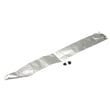
For wash coverage problems, we often start by inspecting the dishwasher spray arm, lower W11553338 for clogged holes or cracks.
Last updated: January 2026