Owner’s manual
 Error Codes




What is the most common problem with Samsung refrigerators?
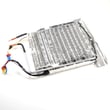
The most common problem we see with Samsung refrigerators (including the Samsung RF4287HABP) is a cooling issue caused by frost or ice buildup around the evaporator area; this restricts airflow so the fresh food section warms up even while the freezer still seems cold. Check the RF4287HABP owner's manual for the model’s recommended temperature settings and control features.
Most common symptoms customers notice
- Refrigerator section is warm but freezer is OK
- Temperature swings (food freezing in the fridge or spoiling early)
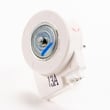
- Fan noise, buzzing, or a “whooshing” sound that changes as doors open
- Heavy frost on the back wall inside the freezer
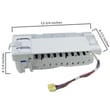
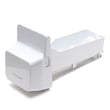
- Ice maker slows down or stops producing ice
What usually causes it (and what to check first)
Start with the simple checks, then move to likely parts.
- Make sure vents are not blocked by food packages
- Confirm doors seal tightly and close on their own
- Set temperatures to typical targets: 37°F for fresh food and 0°F for freezer
- Look for frost buildup that points to a defrost problem
- If you see erratic temperatures, a failed sensor is common; for this model, a replacement option is the refrigerator temperature sensor DA32-10104N
Quick troubleshooting map
| What you observe | Most likely area | What we do next |
|---|---|---|
| Fridge warm, freezer cold | Airflow/evaporator frost | Check for frost, clear vents, inspect defrost components |
| Temps jump up and down | Sensor/control feedback | Test/replace temperature sensor, verify control settings |
| Ice maker not making ice | Ice maker/water supply/freezing | Check fill tube freezing, water flow, ice maker operation |
Why it matters
Cooling and airflow problems can look “minor” at first, but they force the compressor and fans to run longer, which increases energy use and can lead to more expensive repairs if ignored.
Helpful DIY guidance for common Samsung issues
- Use our step-by-step tips in why your Samsung fridge stopped making ice and how to fix it when ice production is the main complaint.
Last updated: February 2026
What is the life expectancy of a Samsung refrigerator?
Most Samsung refrigerators, including the Samsung RF4287HABP bottom-mount style, have a typical life expectancy of 10 to 15 years. With steady maintenance (cleaning coils, keeping doors sealing, and fixing cooling or ice issues early), many units reach the upper end of that range.
What affects lifespan the most
- Compressor workload: frequent warm-ups, dirty condenser coils, or poor airflow make the compressor run longer.
- Door seal condition: air leaks cause longer run times and frost issues.
- Defrost performance: repeated icing can strain fans and reduce cooling efficiency.
- Water and ice system upkeep: clogs and leaks can create secondary damage.
- Temperature stability: consistent settings reduce cycling and wear.
Maintenance checklist that helps you get the full 10 to 15 years
- Vacuum condenser area and keep ventilation space clear.
- Confirm doors close fully; avoid overloading shelves and bins.
- Keep freezer drawers sealing and aligned.
- Set stable temps (most homes do best near 37°F fresh food and 0°F freezer).
- Address symptoms early: warming, heavy frost, loud fan noise, slow ice production.
Common “wear” items vs. major repairs
| What fails | What you notice | Typical next step |
|---|---|---|
| Temperature sensing/airflow parts | Temps swing, food freezing in fridge, warm spots | Diagnose sensors/damper, verify airflow per the RF4287HABP manual |
| Defrost system | Frost buildup, fan noise, warm fridge | Check defrost heater and frost pattern |
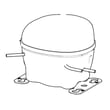
| Sealed system/compressor | Not cooling, long run times, clicking | Professional diagnosis recommended |
Why it matters
Knowing the expected lifespan helps you decide when a repair is worth it. For example, if cooling is inconsistent, replacing a failed sensor such as the refrigerator temperature sensor DA32-10104N can be a practical fix that reduces compressor strain and extends service life.
Last updated: February 2026
How to reset a Samsung fridge freezer?
For a Samsung RF4287HABP refrigerator, the most reliable “reset” is a power reset: unplug the refrigerator (or switch the breaker off) for 2 to 5 minutes, then restore power and allow up to 24 hours for temperatures to stabilize. For model-specific button resets, follow the steps in the RF4287HABP owner's manual.
Quick reset options (start here)
- Power reset (recommended): Unplug for 2 to 5 minutes, then plug back in.
- Control panel reset: Press and hold Power Cool and Power Freeze together for about 10 seconds (if your control panel has these keys).
- Clear a temporary glitch: After power is restored, wait 1 minute, then recheck the display and cooling.
- After any reset: Confirm the doors close fully and vents are not blocked by food packages.
What to expect after a reset
| What you reset | What changes right away | What takes time |
|---|---|---|
| Power reset | Display reboots, fans may restart | Cooling performance (up to 24 hours) |
| Control panel reset | Touchpad response, some indicators clear | Ice production (often 12 to 24 hours) |
If the freezer still is not cooling
These checks solve the most common “needs a reset” complaints on Samsung bottom-mount units:
- Make sure the temperature settings were not accidentally raised.
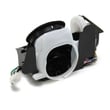
- Listen for the evaporator fan running; no airflow often points to frost buildup.
- Check for heavy frost on the rear freezer panel; that suggests a defrost problem.
- If temperatures swing or you see sensor-related symptoms, a failed sensor can be involved (example part: refrigerator temperature sensor DA32-10104N).
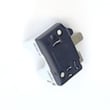
- If the unit is warm and you hear repeated clicking, the compressor start components can be involved (example part: refrigerator compressor overload protector DA34-00004D).
Why it matters
A reset clears control glitches, but it does not fix underlying issues like restricted airflow, frost buildup on the evaporator, or a failing temperature sensor. Using the correct reset method helps you avoid unnecessary part replacement and protects food safety.
Last updated: February 2026