Owner’s manual
 View engine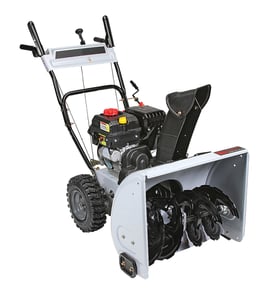


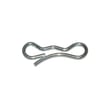
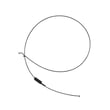
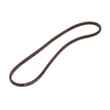
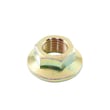
How to find snowblower model number?
For a Craftsman gas snowthrower like model 247889990, the model number is printed on the equipment ID label (typically on the rear of the unit near the wheel area or on the frame). Use that exact number when ordering parts or checking specifications in the 247889990 owner's manual.
Where to look on the snowblower
Check these common label locations first:
- Rear of the snowblower between the wheels
- On the main frame near the axle area
- On the handle support or lower handle frame
- Near the engine mounting area (frame, not the engine tag)
- Under or behind a service cover where the label is protected
What number to use (and why)
Snowblowers often have more than one tag. Use the snowblower model number for parts diagrams and chassis parts, and use the engine model only for engine-specific parts.
| Tag you find | What it’s for | Example you might see |
|---|---|---|
| Snowblower model number | Augers, belts, cables, wheels, chute parts | 247889990 |
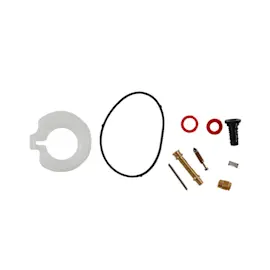
| Engine model number | Carburetor, ignition, engine gaskets | 15C104-0662-E8 |
Tips to avoid ordering the wrong part
- Copy the model number exactly as printed (include all digits)
- If there’s also a serial number, record it too (helpful for production variations)
- Match the part to the correct section (auger drive vs traction drive vs chute)
- Confirm fasteners and wear items while you’re there (shear pins, nuts, cotter pins)
Why it matters
Craftsman snowblower parts are model-specific. Using the exact model number ensures you get the correct diagrams, maintenance information, and compatible replacement parts for your 247889990 snowthrower.
Last updated: January 2026
What is the typical lifespan of a gas snowblower?
A typical gas snowblower lasts 10 to 15 years with normal homeowner use and routine maintenance. For the Craftsman 247889990 specifically, the operator guidance also cites an average useful life of 7 years or 60 hours of operation, which is a safety and inspection benchmark rather than a hard “wear-out” date; see the 247889990 owner's manual.
What “lifespan” means for this model
We look at lifespan two ways: calendar years and total run time.
- Typical homeowner lifespan: 10 to 15 years
- Manual’s average useful life benchmark: 7 years or 60 hours (then inspect annually)
- Heavy use or harsh conditions: tends to shorten life unless maintenance is excellent
- Light use with good storage: often extends life well past 10 years
| Measure | What to expect | What to do |
|---|---|---|
| Years in service | 10 to 15 years typical | Keep up with seasonal maintenance |
| Engine hours | Varies widely by snowfall | Track hours if your engine has an hour meter |
| Safety benchmark (manual) | 7 years or 60 hours | Have it inspected annually after that point |
Maintenance habits that extend lifespan
These are the biggest “make it last” items for a Craftsman gas snowthrower like model 247889990:
- Change engine oil on schedule and keep the correct oil level
- Use fresh fuel and add fuel stabilizer for storage periods
- Clear packed snow after use to prevent freeze-up of the auger and impeller
- Inspect for fuel leaks (fuel line, tank, cap, fittings) and replace cracked parts
- Keep controls adjusted so the drive and auger engage and disengage fully
- Replace wear items promptly (shear pins, skid shoes, shave plate)
Why it matters
A snowblower can still start and run while key wear parts are near failure. Following the manual’s inspection guidance helps keep the auger, drive system, and safety controls working correctly, especially as the machine ages.
Last updated: January 2026
What is the most common problem with snow blowers?
The most common problem we see on snow blowers like the Craftsman 247889990 is a no-start or hard-start condition, usually tied to fuel and ignition basics (old fuel, carburetor varnish, or a worn spark plug). The next most common issues are chute clogs and augers that stop turning after a jam.
Most common issues (and what to check first)
- Won’t start or runs poorly: drain old fuel, refill with fresh fuel, check spark plug condition, and inspect the fuel shutoff (if equipped).
- Chute clogs or snow won’t discharge: shut the engine off, remove the key, then clear the chute using the clean-out tool described in the 247889990 owner's manual.
- Auger won’t turn: check for a jam and inspect shear pins; a sheared pin is a common “safety failure point” after hitting ice or debris.
- Unit won’t drive: drive belt or friction wheel wear can cause slipping or no movement.
- Poor tracking or uneven wear: verify both tires are set evenly (the manual calls out keeping tire pressure equal, typically 15 to 20 PSI).
Quick symptom-to-cause guide
| Symptom | Most likely cause | What to do |
|---|---|---|
| Pull cord feels normal but engine won’t fire | Stale fuel, fouled spark plug | Fresh fuel; replace/clean plug |
| Engine runs but snow backs up in housing | Chute clogged, wet snow | Clear chute; reduce feed rate |
| Auger stops after hitting something | Shear pin(s) sheared | Replace correct shear pin(s) |
| Drive control engaged but no movement | Belt slipping, friction wheel worn | Inspect belt; check friction wheel |
Parts that commonly fail after a jam
If the auger stops turning after you hit ice or a foreign object, we start with the shear pins because they are designed to break first to protect the gearbox.
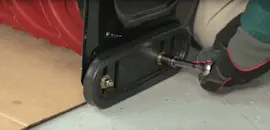
- Craftsman snowblower shear pin 738-04124A
- Confirm bow-tie clips are installed correctly
- Replace only with the correct type and size for your auger shaft
Why it matters
Starting and auger issues are usually fast fixes that prevent bigger damage. Clearing clogs safely and replacing shear pins promptly helps protect the auger gearbox, belts, and drive system.
Last updated: January 2026
Is it worth fixing a snowblower?
Fixing a Craftsman gas snowthrower like model 247889990 is worth it when the problem is a normal wear item or adjustment and the total repair cost stays well under half the price of a comparable new machine. Replacement makes more sense when the unit needs major drivetrain or engine work.
Quick decision checklist
- Fix it if the issue is a wear item (shear pins, belts, cables, shave plate) or a simple adjustment.
- Fix it if the machine starts well, throws snow strongly, and the auger/drive systems are otherwise solid.
- Replace it if the engine has low compression, heavy smoking, or repeated carburetor/fuel-system failures.
- Replace it if the auger gearbox or drive system has major damage and the total estimate is high.
- Fix it if you can do the work yourself and only need common parts and basic tools.
Common “worth it” repairs on this model
The manual calls out several items as normal wear parts (not unusual to replace over time), including shear pins, belts, and the shave plate. Use the 247889990 owner’s manual to confirm procedures and safety steps.
| Repair type | Typical effort | Why it’s usually worth it |
|---|---|---|
| Replace shear pins | Low | Restores auger function after an ice jam or impact |
| Replace/adjust cables | Low to medium | Fixes drive or auger engagement problems |
| Replace shave plate | Medium | Improves scraping and throwing performance |
| Replace friction wheel rubber | High | Often requires more teardown and special tools |
Parts that often solve the problem
If the auger will not turn after hitting something, the manual directs you to check for sheared pins and replace only the correct type. For scraping and throwing performance issues, the shave plate is a common wear point.
- Craftsman snowblower shear pin 738-04124A (keep spares on hand)
- Shave plate 790-00118-0721 (worn edge reduces clearing performance)
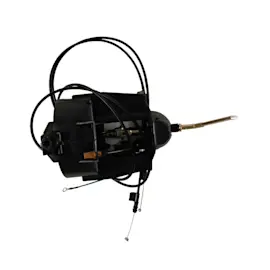
- Snowblower auger clutch cable 746-04230 (stretched or damaged cable can prevent engagement)
Why it matters
A snowblower that is maintained and repaired with the correct wear parts stays safer and more reliable. For example, using the proper shear pins helps protect the auger gearbox when the auger strikes ice or debris.
Last updated: January 2026