View engine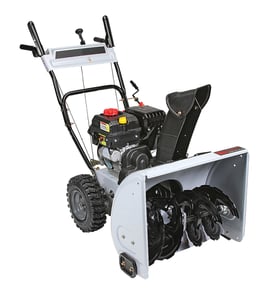





What year was the snowblower made?
For Craftsman snow thrower model 536886530, the exact manufacturing year is typically determined from the model and serial number tag on the machine; the model number alone usually identifies the parts family, not the specific build year.
Where to find the date information
Look for the ID tag on the snowblower and record everything exactly as shown.
- Check the rear of the frame near the wheels
- Check the engine shroud area (near the recoil starter)
- Check the handle support or dash panel
- Write down the serial number and any date code
- Take a clear photo before ordering parts or calling for help
How the year is usually determined
Most snowblowers use one of these approaches to encode the build date.
| What you have | What it tells us | What to do next |
|---|---|---|
| Model number (536886530) | Identifies the model series for parts lookup | Use it to match diagrams and parts |
| Serial number | Often ties to a production run and year | Use the serial to decode the build date |
| Date code on tag/engine | May show month and year directly | Record it exactly and compare to parts lists |
Why it matters
Knowing the build year helps us match the correct version of wear items and drive components (especially belts, pulleys, and chute parts) so fit and length are correct.
Parts that commonly vary by production run
If you are troubleshooting or ordering maintenance parts, these are the most common “year-sensitive” items:
- Ground drive belt: snowblower drive belt 1733324SM
- Auger drive belt: auger belt 37X120MA
- Chute components: chute 762222MA
- Drive system hardware (as needed): idler pulley, spacers, washers
Last updated: January 2026
Where is the serial number on a snowblower?
On the Craftsman snow thrower model 536886530, the model and serial information is typically printed on an ID label or stamped tag on the rear of the machine near the handles or frame. We use that information to match the correct parts and diagrams for your exact unit.
Common places to check on a snowblower
Look for a silver or white label, or a stamped metal tag, in these spots:
- Rear of the snowblower frame (behind the engine, near the handles)
- Side of the frame near the wheels
- Under the handle panel or control console area
- Near the auger housing on the main frame rail
- On the engine itself (engine model and code are separate from the snowblower model)
What numbers you should write down
Snowblowers often have multiple identifiers. Here is what each one is used for:
| Number you find | What it identifies | Why it matters |
|---|---|---|
| Snowblower model number (example: 536886530) | The whole Craftsman machine | Ensures diagrams and parts match your unit |
| Snowblower serial number | Your specific unit | Helps confirm production run and correct revisions |
| Engine model/type/code | The engine only | Used for engine-specific parts like carburetor or ignition |
Quick tips to read the label correctly
- Clean the label area first; packed snow, salt, and grime can hide digits
- Copy the numbers exactly (include dashes or letters if present)
- If the label is missing, check for a stamped number on the frame nearby
- Use the snowblower model number first when selecting parts like belts, pulleys, and chute components
Why it matters
Using the correct model and serial information prevents ordering the wrong belt length, chute style, or drive system parts for your Craftsman 536886530. For example, drive and auger components can vary by production run.
If you are troubleshooting drive issues while you are locating the tag, a common related repair is replacing the snowblower drive belt 1733324SM.
Last updated: January 2026
How many years should a snowblower last?
A Craftsman gas snowblower like model 536886530 typically lasts 15 to 20 years with normal residential use and consistent maintenance. The biggest lifespan drivers are off-season storage, fresh fuel practices, and keeping wear items (belts, pulleys, bearings) in good condition.
Typical lifespan by snowblower type
Most owners see these ranges when the machine is maintained and not abused:
| Snowblower type | Typical lifespan | Notes |
|---|---|---|
| Gas, 2-stage | 15 to 20 years | Longest life when belts, friction drive, and auger system are maintained |
| Gas, single-stage | 10 to 15 years | Fewer drivetrain parts, but more sensitive to impacts and heavy snow |
| Corded electric | 8 to 12 years | Motor can last, but switches and housings wear |
| Battery electric | 5 to 10 years | Battery aging is usually the limiting factor |
What makes a snowblower wear out faster
These are the most common causes we see behind early failure:
- Running old fuel or storing with fuel in the carburetor (varnish and hard starting)
- Not changing engine oil on schedule (accelerates engine wear)
- Worn or slipping belts that overheat and glaze (loss of drive or auger power)
- Lack of lubrication on moving shafts and pivots (binding, premature bushing/bearing wear)
- Hitting curbs, gravel, or ice chunks (bent auger components, damaged chute, shear pin issues)
Maintenance that extends life the most
If you want your 536886530 to reach the high end of its lifespan, focus on these habits:
- Change oil at least once per season (or every 25 hours of use)
- Use fresh, stabilized fuel; run the engine dry before storage when appropriate
- Inspect and replace worn belts before they fail mid-storm
- Keep the drive system clean and lubricated where specified
- Check fasteners, skid shoe height, and scraper bar clearance regularly
Common wear parts to plan for
Replacing wear parts on time prevents bigger drivetrain damage:
Why it matters
A snowblower usually does not “wear out” all at once; performance drops gradually (slipping drive, weak throwing distance, squealing, vibration). Staying ahead of belt and drive wear keeps the machine reliable and protects higher-cost components.
Last updated: January 2026
Can I use 5W30 instead of SAE 30 in my snowblower?
Yes. For a Craftsman snow thrower model 536886530, 5W-30 is a good substitute for SAE 30 in most winter conditions because it flows better when cold and still protects like a 30-weight oil once the engine is warm.
When 5W-30 is the better choice
We typically recommend 5W-30 for snowblower use because it improves cold-weather starting and lubrication.
- Easier pull-starting and faster oil flow in freezing temperatures
- Better protection during cold starts (when most engine wear happens)
- Works well for typical snow season temperatures
- Helps reduce sluggish running right after startup
When SAE 30 can still make sense
SAE 30 is a single-viscosity oil; it can be fine when temperatures are consistently above freezing.
- Mild winter climates where temps stay around 40°F and higher
- Short, light-duty use where cold-start performance is not a concern
- If you already have SAE 30 on hand and conditions are not extremely cold
Quick comparison
| Oil type | Cold starting | Warm protection | Best use case |
|---|---|---|---|
| 5W-30 | Better | Strong | Most snowblower conditions |
| SAE 30 | Fair | Strong | Warmer temps, above-freezing use |
Why it matters
Snowblower engines spend a lot of time starting and running cold. Using an oil that flows quickly (like 5W-30) helps the crankshaft, piston, and bearings get lubrication sooner, which reduces wear and improves reliability.
Related maintenance that helps drive performance
If your snowblower feels weak or the auger or wheels slip, oil choice is only one piece of the puzzle. Belt condition and adjustment matter too.
- Inspect the auger belt for glazing, cracking, or stretching
- Inspect the drive belt if the unit does not pull strongly
- Check pulleys and idlers for wobble or binding
Helpful DIY reference: how to change snowblower oil video
If you need common wear parts for this model, these are frequently replaced:
Last updated: January 2026