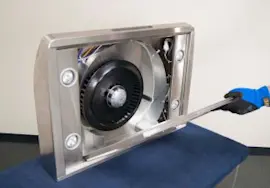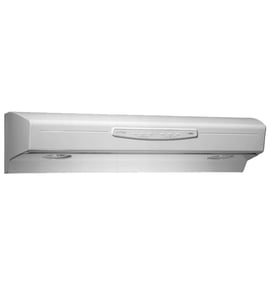

Which is better baffle filter or charcoal filter?
Baffle filters are better for heavy cooking and high grease output because they handle airflow and grease capture well and can be cleaned and reused. Charcoal filters are better for ductless (recirculating) setups because they reduce odors, but they must be replaced regularly.
Quick comparison
| Feature | Baffle filter | Charcoal filter |
|---|---|---|
| Best for | Ducted venting, frequent frying | Ductless recirculating hoods |
| What it removes | Grease and some smoke particles | Odors (and some smoke) |
| Maintenance | Wash and reuse | Replace on a schedule |
| Long-term cost | Lower | Higher (ongoing replacements) |
| Performance under heavy cooking | Strong | Drops as charcoal saturates |
How to choose for your Kenmore 2335337813 range hood
- If your hood vents outside (ducted), choose a grease filter style such as baffle (or mesh, depending on your setup).
- If your hood does not vent outside (ductless), you need charcoal filtration for odor control.
- If you stir-fry, sear, or cook with lots of oil, prioritize a washable grease filter and strong airflow.
- If your main issue is lingering smells (fish, spices), charcoal filtration makes the biggest difference.
- If your hood is getting louder or moving less air, a dirty grease filter is a common cause; cleaning it often restores performance.
Why it matters
A range hood can only move air as well as its filters allow. Grease filters protect the blower and ductwork from buildup, while charcoal filters control odors in recirculating installations. Picking the right type helps your Kenmore hood ventilate better and stay cleaner.
Related troubleshooting
If your fan is weak, noisy, or not moving much air, follow the steps in range hood fan not pulling much air to check the filter condition, airflow restrictions, and common fan issues.
Last updated: February 2026
How often should range hood filters be changed?
For your Kenmore 2335337813 range hood, we recommend cleaning reusable grease filters about once a month and replacing non-washable charcoal filters every 3 to 6 months (sooner with heavy frying). This keeps airflow strong, reduces odors, and helps prevent grease buildup.
Quick schedule (most common)
- Metal mesh or baffle grease filters (washable): clean every 3 to 4 weeks
- Charcoal filters (recirculating setups): replace every 3 to 6 months
- Light-use kitchens: you can often stretch cleaning to every 6 to 8 weeks
- Heavy cooking (frying, wok, high heat): clean every 2 to 3 weeks
- Any filter that is damaged, warped, or won’t come clean: replace it
How to tell it’s time
- Fan sounds louder but moves less air
- Grease film builds up on cabinets or the hood faster than usual
- Odors linger after cooking
- Filter looks dark, sticky, or clogged even after cleaning
- Filter won’t latch securely (a worn latch can let the filter sag)
If the filter won’t stay in place, check the range hood filter latch S99420472 and the retainer clip S99420040.
Cleaning basics (washable grease filters)
- Turn the hood off and let it cool
- Remove the filter and soak in hot water with degreasing dish soap
- Use a soft brush to lift grease from the mesh
- Rinse, dry fully, then reinstall
Why it matters
A clean filter protects the blower and wiring area from grease, helps the fan pull air properly, and reduces the chance of smoke and cooking odors recirculating back into the kitchen.
Filter type comparison
| Filter type | Typical maintenance | What it controls best |
|---|---|---|
| Washable metal (mesh/baffle) | Clean monthly | Grease and airflow |
| Charcoal (non-washable) | Replace 3 to 6 months | Odors in recirculating mode |
For more troubleshooting if performance drops even with a clean filter, use our guide: range hood fan not pulling much air.
Last updated: February 2026
How do I know what model range hood I have?
To identify your Kenmore range hood model, we look for the model and serial label on the hood itself. On many hoods, the label is on the top of the hood, on the underside near the front edge, or behind the grease filter.
Where to look on a Kenmore range hood
Check these common label locations first:
- On the top of the hood (often near the duct connection)
- On the underside of the hood, near the light or fan area
- Behind the grease filter (remove the filter and look on the inner frame)
- Inside the hood near the wiring cover area
- Along the side wall inside the hood canopy
What the label should show
Most range hood ID labels include:
- Model number (the key detail we need)
- Serial number
- Electrical rating (often volts and amps)
- Brand name (Kenmore)
If your label shows 2335337813, that is the model number for this parts list.
Quick tips to make the label easier to read
- Turn the hood lights on, or use a flashlight.
- Wipe grease off the label gently with a damp cloth and a drop of dish soap.
- Take a photo and zoom in; worn labels are often easier to read on your phone.
Common label locations by hood style
| Hood style | Most common label spot | What you may need to remove |
|---|---|---|
| Under-cabinet hood | Underside or behind filter | Grease filter |
| Wall-mount canopy | Inside canopy side wall | Grease filter |
| Insert/liner | Inner frame near blower | Grease filter or trim panel |
Why it matters
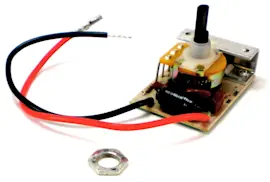
The model number ensures you get parts that fit and work correctly, such as a range hood filter latch S99420472 or a switch S97016970 for the correct Kenmore hood configuration.
Last updated: February 2026
What is the life expectancy of a range hood?
Most range hoods last 10 to 20 years; for a Kenmore range hood like model 2335337813, about 15 years is a typical average when the filters are kept clean and the fan runs without excessive noise or vibration.
What affects how long a range hood lasts
- Grease and filter maintenance: clogged filters make the motor work harder
- Cooking frequency: daily high-heat frying shortens life faster than light use
- Vent setup: restricted ducting increases load and noise
- Moisture and heat exposure: steam and high heat accelerate wear
- Part wear: switches, fan blades, and wiring connections can fail over time
Signs it is nearing end of life
- Fan runs but airflow is weak even with clean filters
- Rattling, scraping, or wobbling from the blower area
- Fan or lights work intermittently (often a switch or connection issue)
- Burning smell, repeated tripped breaker, or visible heat damage
- Excessive vibration that returns soon after cleaning
Common wear items vs. replacement decision
| Symptom | Often a maintenance/part fix | More likely replacement time |
|---|---|---|
| Noisy fan | Fan blade, mounting, cleaning | Motor housing worn, persistent vibration |
| Fan will not start | Switch, wiring | Multiple electrical failures |
| Poor suction | Filter, duct restriction | Weak motor plus restricted airflow |
Parts that commonly extend service life
If the hood is otherwise in good shape, replacing a worn part can restore performance:
- Range hood fan blade S99020176 (reduces wobble and noise when bent or greasy)
- Switch S97016970 (helps with intermittent fan speeds or no-start)
- Range hood blower motor wire harness S97005678 (addresses loose or heat-damaged connections)
Why it matters
A range hood that is near the end of its lifespan often gets louder and moves less air; that means more grease buildup in the kitchen and more strain on the motor and electrical parts.
Last updated: February 2026