
Are gas lawn mowers being phased out?
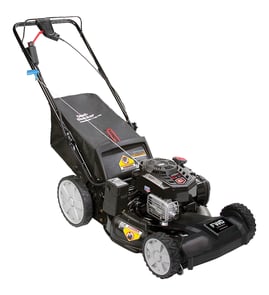
Gas walk-behind mowers like the Poulan PR625Y22RP-96142012601 are not being phased out everywhere at once, but the market is shifting toward battery-electric models. The biggest changes are happening through state and local emissions rules and retailer product mix changes, so availability depends on where you live.
What’s driving the shift away from gas mowers
- Local emissions regulations: Some states and cities restrict or plan to restrict sales of certain new gas-powered outdoor equipment.
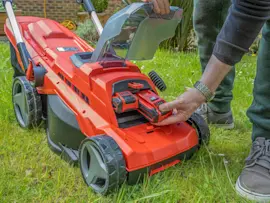
- Retailer assortment changes: Many big-box stores are expanding electric options because demand is growing.
- Lower maintenance appeal: Electric mowers avoid carburetor issues, fuel storage, and many tune-up tasks.
- Noise and convenience: Battery mowers are typically quieter and easier for quick mowing.
What this means for PR625Y22RP-96142012601 owners
You can keep using your gas mower normally. The practical impact is usually on new mower purchases, not on operating an existing mower. For long-term ownership, the key is staying ahead on wear items and routine service.
Parts and upkeep that help a gas mower last
- Keep the blade sharp and balanced
- Change oil on schedule (per engine requirements)
- Use fresh fuel and stabilize fuel for storage
- Clean grass buildup under the deck
- Replace worn drive components if self-propelled performance drops
If you’re servicing the cutting system, our lawn mower blade removal tool guide helps you remove the blade safely and correctly.
Quick comparison: gas vs. battery (typical homeowner use)
| Feature | Gas mower | Battery mower |
|---|---|---|
| Maintenance | Higher (fuel, oil, tune-ups) | Lower (battery care, blade) |
| Runtime | Refill and go | Limited by battery capacity |
| Noise | Louder | Quieter |
| Cold starts | Can be finicky | Push-button on many models |
Why it matters
If your area tightens rules on new gas equipment, you may see fewer new gas models on shelves, but parts support and repairs remain the best way to extend the life of a mower you already own.
Last updated: January 2026
What are the most common issues with PR625Y22RP-96142012601?
The most common issues we see on the Poulan PR625Y22RP-96142012601 gas walk-behind mower involve cutting performance (dull or damaged blade), self-propel problems (stretched/broken drive cable or transmission wear), and bagging/discharge issues (rear chute door or bag fit). These problems usually show up as poor cut quality, weak drive, or clumping.
Common symptoms and what they usually point to
- Uneven cut, tearing grass, vibration: blade is dull, bent, or installed incorrectly; check the blade adapter area and fasteners.
- Mower will not self-propel or pulls weakly: drive cable out of adjustment, cable stretched, or transmission components worn.
- Grass won’t bag well or blows out the rear: rear discharge chute door not sealing, bag/frame not seated, or deck packed with wet clippings.
- Scalping or inconsistent height: height adjuster hardware loose or worn; wheels not set to the same notch.
- Clumping and poor airflow: deck buildup; blade not creating lift.
Parts on this model that commonly relate to these issues
If your symptoms match, these model-compatible parts are good starting points:
- Cutting performance: lawn mower 22-in deck 3-in-1 blade 532420463
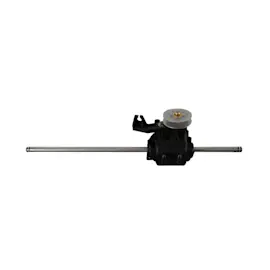
- Self-propel drive: drive cable 588479201, lawn mower transmission assembly 589600601
- Bagging/discharge: husqvarna craftsman lawn mower discharge chute door, rear 532421084, lawn mower grass bag 580947302, craftsman lawn mower grass bag frame 585054702
Quick checks before you replace anything
- Disconnect the spark plug wire and tip the mower safely (air filter and carburetor side up).
- Inspect the blade for bends, cracks, and heavy rounding; replace if damaged.
- Check drive engagement: with the bail/drive control held, the cable should feel taut and the drive should engage promptly.
- Confirm all wheels are set to the same cutting height.
- Clean packed grass from the underside of the deck; airflow problems mimic “bad blade” symptoms.
Symptom-to-part cheat sheet
| Symptom | Most likely area | Example part on this model |
|---|---|---|
| Vibration, ragged cut | Blade | Lawn Mower 22-in Deck 3-in-1 Blade |
| No/weak self-propel | Cable or transmission | Drive Cable; Lawn Mower Transmission Assembly |
| Poor bagging, rear blowout | Door or bag fit | Discharge Chute Door, Rear; Lawn Mower Grass Bag |
Why it matters
Addressing these issues early protects the crankshaft and deck, improves cut quality, and prevents extra wear on the transmission and drive system.
Last updated: March 2026
What is the best lawn mower for an elderly person?
For most elderly users, the best lawn mower is the one that minimizes pushing, pulling, and vibration while staying easy to start and control. With a Poulan PR625Y22RP-96142012601 walk-behind mower, a self-propelled setup with a smooth drive control and a sharp, balanced blade typically delivers the safest, least-fatiguing mowing.
What to look for (features that reduce effort)
- Self-propelled drive with an easy-to-squeeze bail and steady pace control
- Lightweight feel and good balance (easier turns, less shoulder strain)
- Easy starting (reliable ignition, clean fuel, maintained spark plug)
- Low vibration and stable wheels for smoother tracking
- Simple height adjustment so you are not fighting thick grass
Best choice by situation
| Situation | Best mower type | Why it helps |
|---|---|---|
| Limited strength or balance | Self-propelled walk-behind | Reduces pushing force and fatigue |
| Uneven yard or lots of turns | Self-propelled with good wheels | Improves control and stability |
| Very small, flat yard | Basic push mower (lightweight) | Fewer controls, lower cost |
| Mobility limitations | Remote-control mower service option | Minimizes walking and handling |
How to make this PR625Y22RP-96142012601 easier to use
- Keep the blade sharp and balanced; a dull blade increases effort and vibration (see how to sharpen a lawn mower blade).
- If the mower does not pull itself well, inspect the drive control and cable routing; a stretched or binding cable can reduce drive engagement (see drive cable 588479201).
- Set the cutting height a bit higher in thick grass to prevent stalling and reduce pushing force.
- Keep wheels rolling freely; debris around wheel hubs increases resistance.
- Use fresh fuel and proper storage practices to avoid hard starting (see how to keep lawn mower gas from going bad).
Why it matters
A mower that starts easily, drives smoothly, and cuts cleanly reduces strain on hands, shoulders, and back. That typically means fewer stops, better control on slopes, and a safer mowing routine.
Last updated: January 2026