Owner’s manual
 Error Codes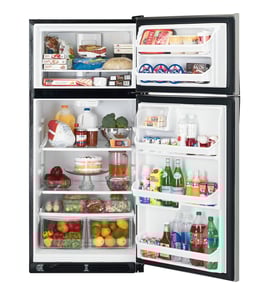





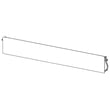
Can you change the panels on a Samsung refrigerator?
Yes, but it depends on the refrigerator series. Samsung BESPOKE models are designed for swappable door panels, while most standard top-mount models like Samsung RT18M6215SG use fixed door skins and are not intended to have cosmetic panels changed separately from the door.
Use these quick checks before buying parts:
- Look for “BESPOKE” branding in the model name or on the door
- Check whether Samsung sells “door panel” parts for your exact model
- Inspect the door edges for a removable trim frame that captures a panel
- Compare your door to the exploded-view parts list (panel vs. complete door)
- Confirm the door construction and disassembly steps in the RT18M6215SG owner's manual
For this model, cosmetic updates are typically done by replacing door storage and interior trim pieces, or replacing the complete door assembly if the exterior is damaged.
| What you want to change | What’s typically replaceable | What’s usually not replaceable |
|---|---|---|
| Exterior “panel” color/finish | Complete door assembly (if offered) | A separate snap-on color panel (non-BESPOKE) |
| Cracked/broken storage | Door bins and shelves | N/A |
| Scratches/dents | Cosmetic repair or door replacement | A factory-finish skin only |
A common example of a replaceable storage component is the refrigerator door bin DA63-08645A.
These options work well for most non-BESPOKE Samsung top-mount refrigerators:
- Use appliance-safe vinyl wrap (avoid blocking vents and door seals)
- Replace the complete door assembly if the finish is damaged
- Replace damaged interior parts (bins, shelves) to refresh appearance
- Keep the door gasket clean and seated so the door closes flush
Trying to “panel swap” a non-BESPOKE door can lead to poor door sealing, alignment issues, and insulation damage. Sticking to model-correct door parts and approved disassembly steps helps protect cooling performance.
Last updated: February 2026
Does the Samsung fridge auto defrost?
Yes. Samsung top-mount refrigerators like model RT18M6215SG use an automatic defrost system that periodically melts frost off the evaporator so airflow stays strong and temperatures stay stable. You normally do not need to manually defrost unless a failure causes heavy ice buildup.
During normal operation, the refrigerator cycles through cooling and defrost automatically:
- The evaporator coil cools the freezer and refrigerator sections.
- A defrost heater warms the evaporator for a short time to melt frost.
- Meltwater drains to a pan and evaporates.
- The control board manages timing based on run time and sensor feedback.
If you want the model-specific control and defrost details, check the RT18M6215SG owner's manual.
These symptoms usually point to a defrost problem rather than a simple temperature setting issue:
- Frost or a solid ice sheet on the freezer back wall
- Freezer seems cold but refrigerator section warms up
- Fan noise changes (fan hitting ice) or airflow feels weak
- Water leaking inside the cabinet after a thaw
- Temperatures swing more than normal
| Symptom | Often involved | Example part for this model |
|---|---|---|
| Heavy frost, warm fresh food | Defrost heater | Refrigerator defrost heater DA47-00460G |
| Defrost stops early or overheats | Defrost thermal fuse | Refrigerator defrost thermal fuse DA47-00301F |
| Defrost timing/logic issues | Electronic control board | Refrigerator electronic control board DA92-00979C |
- Confirm doors seal fully and nothing is holding them open.
- Set temperatures to normal targets (freezer near 0°F, fresh food near 37°F).
- Listen for the evaporator fan; poor airflow can mimic a defrost failure.
- Unplug for 5 minutes and restore power to clear a temporary control glitch.
Auto defrost prevents frost from insulating the evaporator coil. When frost builds up, airflow drops, the refrigerator section warms, and the compressor can run longer than it should.
Last updated: February 2026
How to find Samsung fridge part number?
For your Samsung refrigerator model RT18M6215SG, the fastest way to find the correct part number is to match the model number from the rating label inside the cabinet, then use the parts diagram/list for that exact model. This prevents ordering a look-alike part that will not fit.
Most Samsung top-mount refrigerators have the model and serial information on a rating label inside the fresh food section.
- Open the refrigerator (not the freezer) door
- Look along the inside side walls (commonly the left wall)
- Check near the crisper area or upper wall if you do not see it at eye level
- Write down the model number and serial number exactly as shown
Once you have RT18M6215SG, use the parts list for that model and identify the part by location and description.
- Use the exploded-view diagram to confirm the part’s position
- Match the part name to your symptom (cooling, ice maker, door storage, etc.)
- Verify any notes about color, revision, or “substitution” before ordering
- Compare your old part’s sticker numbers only as a cross-check (model match is the priority)
| What you have | What it’s used for | Why it helps |
|---|---|---|
| Model number (RT18M6215SG) | Selects the correct parts breakdown | Prevents wrong-fit parts |
| Part name | Narrows the correct component | Avoids ordering a similar-looking item |
| Part number | Identifies the exact replacement | Ensures compatibility |
Samsung part numbers are typically formatted like DAxx-xxxxxX. For example, if you are diagnosing a sealed-system restriction, the refrigerator filter dryer DA62-04309D is one of the model-listed components you may see in the parts list.
Samsung often uses similar designs across multiple refrigerators, but small differences in wiring, mounting tabs, and connectors can change by model. Using the RT18M6215SG manual plus the model-specific parts list keeps the repair accurate and reduces returns.
Last updated: February 2026
How to force Samsung refrigerator into defrost mode?
To force defrost on your Samsung RT18M6215SG refrigerator, we use the refrigerator’s service (diagnostic) mode and start the forced defrost test from the control panel. Because Samsung uses different key combinations by control style, follow the exact steps in the RT18M6215SG owner's manual.
- Move highly perishable food to a cooler if you expect doors to be open.
- Keep towels handy; defrost can release water into the drain trough and pan.
- Do not chip ice with sharp tools; it can puncture the evaporator or liner.
- Stop and unplug the refrigerator if you smell burning insulation or see smoke.
On Samsung refrigerators, forced defrost is started from a diagnostic menu using a specific button sequence, then selecting a defrost test option on the display.
| Step | What you do | What you should see |
|---|---|---|
| 1 | Enter service/diagnostic mode using the model’s key sequence | Display changes or cycles to test indicators |
| 2 | Scroll/select until you reach the defrost test | A defrost-related test label or code appears |
| 3 | Start the test and let it run | You may hear relays click and water dripping later |
- The evaporator area warms and frost begins to soften and melt.
- Water should flow through the defrost drain to the drain pan.
- The refrigerator may beep or change the display when the test ends.
A no-heat result points to a failed defrost component or control issue. These are common checks on this model family:
- Defrost heater not heating: refrigerator defrost heater DA47-00460G
- Safety device open: refrigerator defrost thermal fuse DA47-00301F
- Defrost sensing problem: refrigerator temperature sensor DA32-00070A
Forced defrost quickly confirms whether a cooling problem is caused by a defrost-system failure (heater, fuse, sensor, or control) versus an airflow issue like a blocked vent or door left ajar.
Last updated: February 2026
What is the most common problem with Samsung refrigerators?
The most common Samsung refrigerator complaint is cooling trouble caused by airflow or defrost issues, such as frost buildup on the evaporator, a warm fresh-food section, or inconsistent temperatures. For your Samsung RT18M6215SG, we start by confirming temperatures and checking for fan, sensor, and defrost symptoms in the RT18M6215SG owner's manual.
- Fresh-food section warm but freezer still cold
- Frost or ice buildup on the back wall inside the freezer
- Loud humming, rattling, or a fan noise that changes when doors open
- Water pooling under crisper drawers (often tied to defrost drain icing)
- Ice maker slow or stopped (when equipped)
- Verify set temps: Freezer near 0°F, refrigerator near 37°F.
- Check airflow: Do not block vents with food packages.
- Inspect door sealing: Look for gaps, torn gasket areas, or doors not closing fully.
- Listen for fans: Evaporator fan noise issues often show up as warming plus unusual sound.
- Look for frost patterns: Heavy frost points to a defrost system problem.
| What you notice | Likely area | Example part for RT18M6215SG |
|---|---|---|
| Frost buildup, warming, fan hitting ice | Defrost system | Refrigerator defrost heater DA47-00460G, refrigerator defrost thermal fuse DA47-00301F |
| Temps swing, unit runs too long/too short | Temperature sensing | Refrigerator temperature sensor DA32-00070A |
| Warm temps with weak/no internal airflow | Evaporator fan area | Refrigerator evaporator fan motor DA31-00338A |
| No ice or slow ice (if equipped) | Water supply/valve | Refrigerator water inlet valve DA62-01477A |
Cooling and defrost problems can snowball quickly: frost blocks airflow, temperatures rise, food spoils faster, and the refrigerator may run longer than normal. Catching the symptom early helps you target the right repair, whether it is a sensor, fan, or defrost component.
Last updated: February 2026
What's the average lifespan of a Samsung fridge?
Most Samsung refrigerators average about 10 to 15 years of service life with normal use and basic maintenance. For your Samsung RT18M6215SG top-mount refrigerator, keeping airflow clear, temperatures correct, and seals tight is what most directly protects the compressor and cooling system; see the RT18M6215SG manual for model-specific care steps.
A refrigerator’s lifespan is mainly driven by compressor run time, heat removal at the condenser, and how well the doors seal.
- 10 to 15 years is the typical range for modern household refrigerators
- Heavy use (large family, frequent door openings) can shorten life
- Poor ventilation around the cabinet increases compressor stress
- Dirty condenser area can raise operating temperatures
- Worn door gaskets cause longer run times and frost issues
- Power surges and repeated outages can damage electronics
These steps help a top-mount refrigerator like RT18M6215SG run cooler and cycle normally.
- Set temps to typical targets: 37°F fresh food, 0°F freezer
- Keep vents inside the compartments unblocked by food packages
- Clean dust from the condenser area and surrounding surfaces periodically
- Confirm doors close easily and the gasket seals all the way around
- Level the refrigerator so doors self-close and don’t drift open
- If you have an ice maker, keep the fill tube and bin area free of ice buildup
| Symptom | Often normal | Often needs repair |
|---|---|---|
| Compressor sound | Slightly louder over time | Clicking, repeated start attempts, no cooling |
| Frost | Light frost after long door openings | Heavy frost blocking airflow, warm fridge |
| Temperature swings | Small swings during defrost | Food spoiling, freezer thawing |
A refrigerator that runs hot or leaks air can run nearly nonstop; that extra run time is what most often shortens compressor and control board life.
Last updated: February 2026