Owner’s manual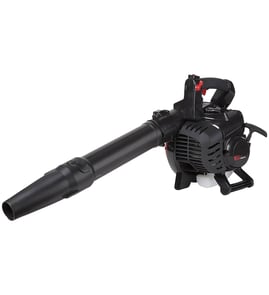







What is the best gas leaf blower for the money?
For the best gas leaf blower for the money, we recommend choosing based on how you will use it (handheld vs. backpack) and prioritizing power-to-weight, reliability, and easy starting. Your Craftsman model 316794011 is a solid reference point for what “good value” feels like in a homeowner gas blower.
How we define “best value” (what to compare)
- Power vs. weight: more blowing force is great, but a heavier unit can be tiring fast.
- Starting and drivability: consistent starting, stable idle, and smooth throttle response matter daily.
- Fuel efficiency: longer run time per tank reduces refueling interruptions.
- Vibration and ergonomics: handle comfort and balance reduce fatigue.
- Serviceability: access to common wear items (filter, spark plug, fuel lines) keeps ownership costs down.
Handheld vs. backpack: quick value comparison
| Type | Best for | Typical tradeoff | Value tip |
|---|---|---|---|
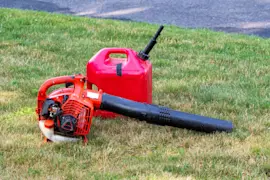
| Handheld gas blower | Driveways, patios, small to mid yards | More arm fatigue over long sessions | Choose lighter weight with strong airflow |
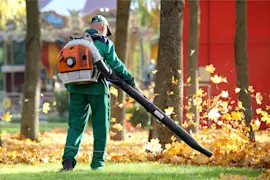
| Backpack gas blower | Large yards, heavy leaf volume | Higher cost, more storage space | Worth it if you blow 30+ minutes at a time |
What to look for if you already own a Craftsman 316794011
Even if you are shopping other brands, we suggest using your current blower as a benchmark:
- If you want a noticeable upgrade, focus on higher blowing force and better harness/ergonomics.
- If you want best budget value, focus on easy starting and low vibration rather than maximum power.
- If your current unit feels “fine” but inconsistent, maintenance can restore performance; see the 316794011 manual.
Why it matters
A “best for the money” gas leaf blower is the one you will actually use regularly without fighting weight, starting issues, or frequent downtime. Matching blower type and ergonomics to your yard size usually saves more time than chasing the highest power rating.
Last updated: January 2026
What is the life expectancy of a gas leaf blower?
A gas leaf blower like the Craftsman 316794011 typically lasts about 10 years or more with consistent maintenance and proper fuel storage. Regular cleaning, correct 2-cycle fuel mix, and replacing worn wear-items on time are what most often determine whether it reaches that lifespan.
What affects lifespan the most
- Fuel quality and storage: old fuel and ethanol-related issues are the fastest way to shorten engine life.
- Airflow and cooling: clogged intake screens and debris buildup can cause overheating.
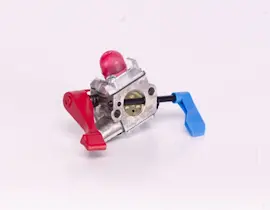
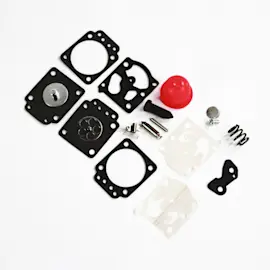
- Routine tune-up items: spark plug condition, air filter cleanliness, and carburetor health.
- Operating habits: long wide-open-throttle runs without breaks can increase wear.
- Storage conditions: moisture and dirt intrusion accelerate corrosion and hard starting.
Maintenance checklist we recommend
Use the procedures and intervals in the 316794011 owner’s manual for the most accurate guidance for your blower.
- Empty or stabilize fuel before seasonal storage.
- Clean debris from the housing and cooling/air intake areas after use.
- Inspect and replace the spark plug as needed.
- Keep the air filter clean and properly seated.
- Check fasteners and housings for looseness or cracking.
Quick “good care” vs “hard use” comparison
| Usage pattern | Typical outcome | What you’ll notice first |
|---|---|---|
| Good fuel practices + routine cleaning | Often 10+ years | Easier starts, steadier idle |
| Infrequent maintenance + stored fuel | Shorter lifespan | Hard starting, surging, stalling |
When a part replacement helps extend life
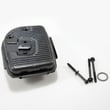
If airflow is restricted or debris is getting into the blower housing, replacing damaged housings and screens can help protect the engine and fan area. For this model, a common related component is the screen housing 9054.
Why it matters
A blower that is maintained to spec runs cooler, starts easier, and avoids fuel-system problems that can lead to repeated no-start conditions and expensive repairs.
Last updated: January 2026
Is a higher mph or CFM better for a leaf blower?
For the Craftsman 316794011 gas leaf blower, neither MPH nor CFM is “always better”; higher CFM clears more debris per pass, while higher MPH helps break loose stuck, wet, or compacted material. For most yard cleanup, we prioritize CFM first, then look for enough MPH to handle stubborn spots.
MPH vs. CFM: what each number really does
- CFM (air volume): how much air the blower moves; best for moving lots of leaves at once.
- MPH (air speed): how fast the air exits the nozzle; best for dislodging debris and directing airflow.
- They work together: strong performance usually means a solid balance, not one extreme.
- Nozzle design matters: a narrower outlet can increase “felt” speed, while a wider outlet can move more volume.
- Your technique matters: sweeping side-to-side and working with the wind often beats chasing the highest spec.
Quick guide: which spec to favor
| Your cleanup task | Favor this spec | Why it helps |
|---|---|---|
| Large piles of dry leaves | Higher CFM | Moves more material per pass |
| Wet leaves, matted grass, stuck debris | Higher MPH | Breaks debris loose from surfaces |
| Hard surfaces (driveway, patio) | Slightly higher MPH | Better control and “push” |
| Mulch beds and landscaping | Balanced, moderate MPH | Reduces blow-away and scatter |
How to choose for model 316794011
We cannot confirm the exact MPH or CFM ratings for Craftsman 316794011 based on the model-specific information available here, but you can still choose effectively:
- Use the Craftsman 316794011 manual to confirm any listed performance specs and recommended operating tips.
- If your main job is big leaf piles, choose the option with higher CFM.
- If you regularly deal with wet, stuck debris, choose the option with higher MPH.
- If you want one tool for mixed conditions, pick the model with the best balance of both.
Why it matters
Matching MPH and CFM to your typical debris reduces cleanup time, improves control around landscaping, and can lower fatigue because you do fewer passes.
Last updated: January 2026