Owner’s manual
 Error Codes



How do you fix unbalanced code on Samsung washer?
On the Samsung WA45T3400AV washer, an unbalanced condition typically shows as UB (spinning does not work) or UR (additional rinsing while the washer senses unbalance). Fix it by redistributing the load evenly and making sure the washer sits level on a stable floor; then restart the spin.
What to do first (fast fixes)
- Pause the cycle and open the lid once it is safe to do so.
- Redistribute items so they are spread evenly around the tub (avoid one heavy item on one side).
- If you are washing a single bulky item (jeans, bathrobe, bedding), add 2 to 3 similar items to balance the load.
- Reduce the load size if the basket is tightly packed.
- Run Rinse+Spin or Spin Only after reloading.
Leveling and installation checks
An out-of-level washer makes UB/UR much more likely, even with a normal load.
- Confirm all four legs are firmly on the floor and the cabinet does not rock.
- Adjust the leveling legs until the washer is stable.
- If a leg is damaged or missing, replace it with the correct part for this model.
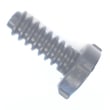
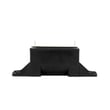
Helpful part: If you need a replacement foot/leg, use the washer leveling leg DC61-01722B.
What the codes mean on this model
| Code | What you will notice | What it usually means |
|---|---|---|
| UB | Spin will not complete | Load is not evenly distributed or washer is not level |
| UR | Extra rinsing occurs | Washer is trying to correct an unbalance condition |
For the model-specific code list and operating steps, use the WA45T3400AV manual.
Why it matters
Running repeated unbalanced spins increases vibration and can lead to noisy operation, poor water extraction (clothes come out wetter), and extra wear on suspension and drive components.
Last updated: February 2026
Is the Samsung WA45T3400AV a good washer?
Yes. The Samsung WA45T3400AV is a solid, large-capacity top-load washer with practical cycles and specs that fit most households; it is especially good when loads are evenly distributed and the washer is properly leveled per the WA45T3400AV user manual.
What “good” looks like for this model
From the WA45T3400** specification sheet in the manual, this washer is built around everyday usability and standard home hookups:
| Spec | WA45T3400AV (manual series) | Why it matters |
|---|---|---|
| Width | 27.0 in | Fits most standard laundry spaces |
| Height | 43.9 in | Helps confirm clearance under shelves |
| Depth | 29.3 in | Helps confirm door and walkway clearance |
| Water pressure | 20 to 116 psi | Works with typical home plumbing |
| Max spin speed | 700 rpm | Better water extraction, shorter dry time |
Where owners typically run into problems (and how to avoid them)
Most “bad washer” complaints on top-loaders like the WA45T3400AV come down to setup and loading habits, not basic wash performance.
- Unbalanced loads and noisy spinning: Load dry items evenly around the tub; mix large and small items.
- Bulky item issues: For rugs, pillows, or a couple sweaters, add a few towels to improve spin performance.
- Poor cleaning or excess wear: Avoid overloading; keep the pile even for better agitation and less wrinkling.
- Water fill or rinse concerns: Confirm your home water pressure is within the 20 to 116 psi range.
- Vibration: Make sure the washer is level; a damaged leveling foot can also contribute.
Quick checks we recommend before judging performance
- Re-level the washer and confirm all feet are firmly on the floor.
- Re-load using the manual’s guidance: dry, unfolded clothes, evenly distributed.
- Run Calibration Mode periodically for more accurate weight detection.
- If draining is slow or incomplete, inspect the drain path; a failing pump can also cause poor spin results.
Parts that commonly relate to “not washing well” symptoms
If you’re troubleshooting (not just shopping), these parts are often involved:
- Washer leveling leg DC61-01722B (leveling and vibration)
- Samsung washing machine drain pump assembly DC97-19289F (drain and spin performance)
Why it matters
A top-load washer like the Samsung WA45T3400AV can clean very well, but it is more sensitive to load balance and leveling than many people expect. Following the loading and calibration guidance usually prevents the most common “it’s not good” complaints.
Last updated: February 2026
Is the Samsung WA45T3400AV high efficiency?
Yes. The Samsung WA45T3400AV is designed to use high efficiency (HE) detergent, which indicates it is a high-efficiency top-load washer; using HE detergent helps prevent oversudsing and supports proper draining and spinning (see the WA45T3400AV user manual).
How to tell you are using it like an HE washer
- Use HE detergent only and measure carefully (too much causes oversudsing).
- Load dry items loosely and distribute evenly around the tub.
- Avoid overloading; it can reduce cleaning performance and increase vibration.
- If loads end wet, select a higher spin speed when available.
- Run Calibration Mode periodically for more accurate weight detection.
Quick guidance: HE detergent vs non-HE
| Item | HE detergent (recommended) | Non-HE detergent (not recommended) |
|---|---|---|
| Suds level | Low-sudsing | High-sudsing |
| Common symptom if used | Normal operation | Oversudsing, poor rinse, wet loads |
| Best practice | Follow label dosing | Do not use |
Why it matters
High-efficiency washers like the WA45T3400AV rely on controlled water levels and low-sudsing detergent. Using the correct detergent and loading method helps the washer sense the load accurately, rinse cleanly, and spin out water effectively.
Last updated: February 2026
What does 4E mean on a Samsung?
On a Samsung washer, the 4E (sometimes shown as 4C) code means the washer is not getting water properly. On model WA45T3400AV, this is usually caused by a closed water valve, low water pressure, or a kinked or clogged inlet hose or screen.
Quick fixes to try first
- Make sure both hot and cold water supply valves are fully open.
- Check for kinked, pinched, or frozen inlet hoses.
- Unscrew the inlet hoses and clean the small inlet screens at the washer connections.
- Confirm the home has adequate water pressure at the faucets.
- Power reset: unplug the washer (or turn off the breaker) for 1 minute, then retry a cycle.
What to check next (WA45T3400AV)
Use the WA45T3400AV owner's manual to match the exact display code and follow the model’s water-supply checks.
If the code returns after the steps above, these are the most common causes:
| What’s wrong | What you’ll notice | Typical fix |
|---|---|---|
| Inlet screen clogged | Slow fill, code early in cycle | Clean screens, flush hoses |
| Water valve not opening | No fill or very slow fill | Test/replace inlet valve |
| Hose issue | Intermittent fill, leaks, poor flow | Replace damaged hose |
| Pressure sensing issue | Overfill/underfill symptoms | Check pressure hose/switch |
Parts that are commonly involved
If you’ve confirmed good water supply and clean screens, a failed valve is a common next step.
Why it matters
A 4E/4C water supply error stops the cycle to prevent running the washer with improper fill, which can lead to poor cleaning, long cycle times, or draining and spinning issues later in the cycle.
Last updated: February 2026
What is the life expectancy of a Samsung front load washing machine?
A Samsung front-load washing machine typically lasts 10 to 15 years with normal household use and basic maintenance. For your Samsung WA45T3400AV (a top-load model), we see a similar real-world lifespan range when it is kept clean, not overloaded, and installed level per the WA45T3400AV owner's manual.
Typical lifespan and what affects it
Most washer lifespan differences come down to usage and care more than brand name alone.
- Loads per week: more cycles equals more wear on the drive system and drain pump
- Overloading: increases stress on the suspension, tub, and motor
- Detergent choice and amount: too much detergent can cause excess suds and odor buildup
- Water quality: hard water can increase residue and valve issues
- Leveling and flooring: an unlevel washer can shake, walk, and wear suspension parts faster
Maintenance that extends washer life
Your WA45T3400AV manual recommends habits that directly reduce premature failures and odor.
- Load items loosely and avoid overfilling
- Use the recommended detergent amount (more is not better)
- Run periodic cleansing cycles to sanitize and reduce odors
- Dry the interior after the cycle (leave the lid open when practical)
- Use Smart Care diagnostics when an information code appears
Quick expectations by component
These are common service-life ranges we see across modern washers.
| Component | Typical service-life expectation | What you notice when it’s failing |
|---|---|---|
| Drain pump | 5 to 10 years | won’t drain, humming, water left in tub |
| Suspension | 6 to 12 years | banging, off-balance spins |
| Inlet valve | 7 to 12 years | slow fill, no fill, fill errors |
| Drive belt | 5 to 10 years | won’t spin/agitate, burning rubber smell |
Why it matters
Knowing the typical 10 to 15 year window helps you decide whether to invest in a repair (like a pump, belt, or valve) versus planning for replacement, especially if multiple symptoms show up at once.
Last updated: February 2026
What is the most common problem with the Samsung washing machine?
On the Samsung WA45T3400AV washer, one of the most common issues customers run into is a water fill or water level sensing problem, often shown as an information code such as 1C (WaterLevel sensor). Start by confirming the water taps are fully open and the fill hoses are not kinked; then use the troubleshooting steps in the WA45T3400AV user manual.
Quick checks we recommend first
- Make sure the washer has power and the cord is fully plugged in.
- Confirm the lid is fully closed and you press START/PAUSE to begin.
- Verify both hot and cold water taps are fully open.
- Check the inlet hoses for kinks, crushing, or a clogged screen at the faucet end.
- If an information code appears, use Smart Care (if your model supports it) to read the code and follow the guided fix.
What “1C” usually means on this model
The manual lists 1C as a WaterLevel sensor issue. If the washer shows 1C, it may drain for about 3 minutes and the POWER button can be unresponsive during that drain.
Common causes vs. what you can do
| Likely cause | What you can do now | What typically fixes it |
|---|---|---|
| Water supply problem | Open taps; straighten hoses; clean inlet screens | Restore water flow and pressure |
| Water level sensing problem (1C) | Power cycle; check for loose connections if accessible | Repair wiring or replace the sensor (service-level) |
| Drain system interfering with fill | Make sure the drain hose is installed correctly and not siphoning | Correct drain hose routing |
When a part is often involved
If the washer will not fill correctly, overfills, or fills inconsistently after you confirm good water supply, a failed inlet valve is a common next suspect. For this model, the matching part is the Samsung washer water inlet valve DC97-15459H.
Why it matters
Fill and water level problems can stop the cycle from starting, cause long cycle times, leave clothes poorly cleaned, or trigger repeated error codes. Addressing water supply and sensing issues early also helps prevent unnecessary strain on the drain pump and control system.
Last updated: February 2026