Owner’s manual
 Error Codes



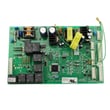
What is the most common problem with a GE refrigerator?
The most common GE refrigerator complaint is not cooling properly (fresh food too warm, freezer too warm, or both). On the GE GSS25XSRBSS side-by-side, the quickest wins are confirming the controls, door sealing, airflow, and defrost-related symptoms using the troubleshooting steps in the owner's manual.
Most common issues we see (and what they look like)
- Not cooling or warming up: temperatures drift, food spoils, freezer softens.
- Long run times: compressor seems to run “all the time” (often normal after loading groceries).
- Strange noises: gurgling, sizzling, popping, or dripping sounds (often normal during defrost).
- Ice maker or dispenser problems: no ice, slow ice, crushed vs cubed confusion.
- Water leaks: water on the kitchen floor or bottom of freezer.
- Door not closing: beeping, warm temps, frost buildup.
Quick checks for GE GSS25XSRBSS
- Give it time after power-up: allow 24 hours for full cool-down after plugging in.
- Check control settings: make sure neither control is set to 0/off.
- Confirm power: plug fully seated; reset tripped breaker or replace blown fuse.
- Look for door and airflow issues: door left open, packages blocking closure, vents blocked by food.
- Watch for defrost clues: heavy frost or ice crystals can point to a defrost issue.
Common “problem” vs normal operation
| Symptom | Often normal | Often needs troubleshooting |
|---|---|---|
| Gurgling/boiling-water sound | Refrigerant flow | Loud, persistent grinding or squeal |
| Sizzling/popping during defrost | Water hitting defrost heater | Thick frost buildup plus warm temps |
| Runs a lot after loading food | Yes | Runs constantly and won’t reach temp |
Parts that commonly relate to cooling, defrost, and water issues
If your symptoms match, these model-compatible parts are commonly involved:
- Refrigerator temperature sensor WR55X10025 (temperature feedback issues)
- Refrigerator evaporator motor WR60X10307 (poor airflow in freezer)
- Refrigerator defrost heater WR51X10055 (frost buildup, warm temps)
- Refrigerator defrost thermostat WR50X10068 (defrost control problems)
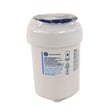
- Refrigerator water filter MWFP (slow/no water, reduced ice production)
Why it matters
Cooling and airflow problems can quickly lead to food spoilage and ice buildup. Catching a door, control, or defrost issue early helps protect the compressor and keeps temperatures stable.
Last updated: February 2026
Are GE side-by-side refrigerators good?
Yes. GE side-by-side refrigerators like model GSS25XSRBSS are a solid choice for everyday use because they typically offer dependable cooling, easy access to both fresh food and freezer sections, and convenient features like an in-door ice and water dispenser. For expected sounds, care, and operating tips specific to this model, use the owner's manual.
What “good” usually means for a side-by-side
A good side-by-side refrigerator keeps stable temperatures, circulates air well, and makes normal operating noises without performance problems.
Common strengths many owners value:
- Wide, easy-to-reach refrigerator shelves and door bins
- Separate freezer and fresh-food compartments for organization
- In-door water and ice convenience (when equipped)
- Straightforward temperature controls
- Serviceable, replaceable components when wear items fail
Normal noises vs. problem noises
Your GE GSS25XSRBSS can make water and cooling-system sounds that are considered normal, especially during defrost.
| Sound | Often normal when | What to check |
|---|---|---|
| Gurgling or “boiling” | Refrigerant moving through coils | Cooling performance stays steady |
| Sizzling or popping | Water dripping on the defrost heater | Noise happens mainly during defrost |
| Dripping | Meltwater draining to the pan | No water pooling inside compartments |
| Brief gurgle after closing door | Pressure equalization | Doors seal and close normally |
Quick reliability and upkeep checklist
These steps help a GE side-by-side run better and avoid common complaints (slow ice, weak water flow, warm temps).
- Replace the water filter on schedule; use the refrigerator water filter MWFP
- If water flow is weak, inspect the refrigerator water inlet valve assembly WR57X33326 for clogging or failure
- Keep condenser area clean and ensure airflow around the cabinet
- Confirm doors close fully; avoid holding doors open during loading
- If temps swing, test/replace the GE profile refrigerator temperature sensor WR55X10025
Why it matters
A side-by-side that is “good” is one that holds safe food temperatures with minimal fuss. Routine maintenance (especially water filtration and airflow) reduces strain on the sealed system and helps the ice maker and dispenser perform consistently.
Last updated: February 2026
What is the average lifespan of a GE refrigerator?
Most GE refrigerators average 10 to 15 years of service life. For your GE GSS25XSRBSS side-by-side, regular maintenance (cleaning condenser coils, keeping door gaskets sealing, and staying on top of ice and water system issues) is what most often determines whether you land closer to 10 years or closer to 15.
Typical lifespan and what affects it
A refrigerator’s lifespan is mainly driven by compressor run time, airflow, and defrost performance.
- Maintenance level: dirty coils and blocked airflow shorten life
- Room conditions: hot garages and tight enclosures increase compressor load
- Door seal quality: air leaks cause longer run times and frost
- Ice maker and dispenser use: more moving parts, more wear
- Water quality: sediment can stress valves and filter housings
Maintenance checklist (best return for the effort)
Use this routine to help your GSS25XSRBSS reach its normal lifespan.
- Vacuum and brush the condenser area every 6 to 12 months
- Keep vents inside the fresh food and freezer sections unblocked
- Replace the water filter on schedule (reduced flow can strain the water system)
- Confirm doors close fully and gaskets are clean and pliable
- Defrost symptoms (heavy frost, warm temps) should be addressed quickly
Common “life-shortening” problems and the parts involved
When a refrigerator starts running constantly, warming up, or frosting over, these are frequent culprits.
| Symptom | Common system involved | Example part for this model |
|---|---|---|
| Warm fridge or freezer, fan noise changes | Temperature sensing or airflow | GE profile refrigerator temperature sensor WR55X10025 |
| Heavy frost on freezer back wall | Defrost system | Refrigerator defrost heater WR51X10055 |
| No water at dispenser or slow fill | Water supply components | Refrigerator water inlet valve assembly WR57X33326 |
| Bad taste/odor, slow water flow | Filtration | Refrigerator water filter MWFP |
Why it matters
A GE refrigerator that is forced to run longer than normal (from dirty coils, air leaks, or defrost failures) puts extra stress on the sealed system. Keeping temperatures stable and airflow clear is the simplest way to protect the compressor and extend overall lifespan.
For model-specific care and operating guidance, use the owner's manual.
Last updated: February 2026