Owner’s manual
 Error Codes
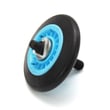


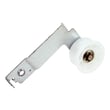

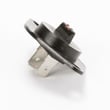
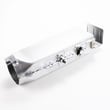
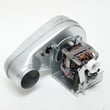
What is the capacity of the dv42h5200ep a3?
The Samsung DV42H5200EP dryer has a 7.5 cu. ft. capacity, which is a full-size drum designed for typical family loads. For cycle and feature details that apply to DV42H5200* models, we recommend confirming settings and options in the DV42H5200EP owner's manual.
What that capacity means in everyday use
A 7.5 cu. ft. Samsung dryer like the DV42H5200EP is sized for:
- Full loads of everyday clothing (jeans, towels, mixed fabrics)
- Larger items like bedding (use the Bedding cycle when available)
- Sensor Dry cycles that shut off based on moisture level, not just time
Cycles and controls you will typically see on this model family
The DV42H5200* control panel supports multiple Sensor Dry cycles and dryness selections. Common Sensor Dry cycles include Normal, Heavy Duty, Bedding, Perm Press, Wool, and Delicates (cycle names and options can vary by exact version).
Quick reference: Sensor Dry vs. Time Dry
| Drying type | Best for | What controls the stop time |
|---|---|---|
| Sensor Dry | Most loads | Moisture sensing + selected dryness level |
| Time Dry | Small loads, special items | The minutes you set |
Why it matters
Capacity affects drying performance and fabric care. When the drum is overloaded, airflow drops and dry times increase; when it is underloaded, some Sensor Dry cycles can end sooner than expected.
Tips to get the best results from a 7.5 cu. ft. drum
- Clean the lint screen before every load to keep airflow strong.
- Avoid packing the drum tight; items should tumble freely.
- Use Sensor Dry for mixed loads; use Time Dry for items that need controlled time.
- If dry times are long, check venting for restrictions and use rigid or stiff-walled metal ducting.
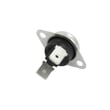
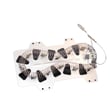
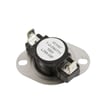
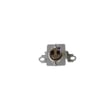
- If the dryer runs but does not heat correctly, common heat-related parts on this model include the Samsung dryer heating element DC47-00019A and the dryer high-limit thermostat DC47-00018A.
You can order replacement parts for your DV42H5200EP from the parts list for this model, or search by model number on Sears PartsDirect.
Last updated: February 2026
What is the life expectancy of the heating element in a Samsung dryer?
In a Samsung dryer like model DV42H5200EP, the heating element typically lasts 8 to 14 years under normal household use. Heavy loads, restricted venting, and overheating conditions shorten element life; good airflow and routine cleaning help it reach the high end of that range. See the DV42H5200EP owner's manual for operating and care guidance.
What affects heating element lifespan
- Airflow restrictions (lint buildup, crushed duct, clogged exterior hood) raise heater temperature
- Overloading reduces tumbling and airflow through the drum
- Long run times from poor venting or wet loads increase heat exposure
- Power supply issues (loose connections, incorrect voltage) can stress electrical components
- High-heat habits (frequent high-temp cycles) accelerate wear
Signs the heating element is failing
- Dryer runs but clothes stay cool or damp
- Long dry times even with a clean lint screen
- Heat works intermittently (cycles oddly)
- A burning smell that persists after cleaning lint and checking venting
Quick checks before replacing parts
- Clean the lint screen every load.
- Confirm you are using a 4-inch rigid metal exhaust duct and that it is not kinked.
- Check the outside vent hood for strong airflow.
- Avoid overloading; 1 wash load = 1 dryer load.
| Symptom | Common cause | What we recommend |
|---|---|---|
| No heat | Failed heater or safety device | Test heater and safety parts; replace as needed |
| Long dry time | Vent restriction | Clear/repair venting first |
| Heat shuts off early | Overheating from poor airflow | Fix airflow; then recheck heating circuit |
Parts that are commonly replaced with the heater
If your DV42H5200EP is not heating, we often see these parts replaced during diagnosis:
- Samsung dryer heating element DC47-00019A
- Dryer high-limit thermostat DC47-00018A
- Dryer thermal cut-off fuse, 320-degree f DC47-00015A
Why it matters
A heating element usually fails faster when the dryer runs hot due to restricted exhaust. Restoring proper venting protects the heater, improves dry times, and helps prevent repeat failures.
You can order replacement parts for your Samsung DV42H5200EP from the parts list for this model, or search by model number on Sears PartsDirect.
Last updated: February 2026
How do I know if my Samsung dryer heating element is bad?
If your Samsung dryer DV42H5200EP tumbles but does not heat (or dry times suddenly get much longer), the heating element is a top suspect. We confirm it by checking airflow first, then testing the element for continuity with a multimeter; a failed element reads open.
Symptoms that point to a bad heating element
- Dryer runs and tumbles, but clothes stay cool or damp
- Dry times increase sharply on the same cycle
- Heat starts briefly, then stops repeatedly
- You notice a hot, electrical smell during a heat cycle
- The heater housing shows visible breaks or burn spots (after power is off)
How we test the element (safe, basic steps)
Unplug the dryer and follow access and safety guidance in the DV42H5200EP owner's manual.
- Clean the lint screen and confirm strong airflow at the outside vent
- Access the heater housing and locate the element terminals
- Set the meter to ohms or continuity
- Measure across the element terminals
| Meter result | What it means | Next step |
|---|---|---|
| Continuity present; typically 10 to 50 ohms | Element is likely good | Check thermostats, fuse, airflow |
| No continuity; infinite resistance | Element is failed (open) | Replace the heater/assembly |
Parts that can mimic a bad element
If the element tests good, these heat-related parts commonly stop heating on electric dryers:
- Dryer high-limit thermostat DC47-00018A
- Dryer thermistor DC32-00007A
- Dryer thermal cut-off fuse, 320-degree f DC47-00015A
Why it matters
A failed element or restricted venting causes long dry times and can overheat the heater circuit, leading to repeated thermal cut-off problems. Fixing the heat source and airflow together restores normal performance.
Last updated: February 2026