Installation guide
 Owner’s manual
 Error Codes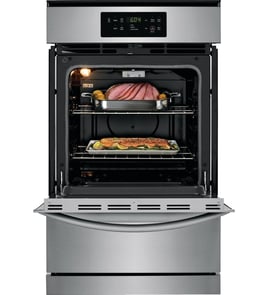
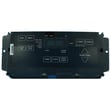


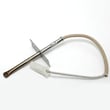

Does Maytag make gas ranges?
Yes. Maytag makes gas ranges, and they are separate products from your Maytag CWG3600AAS13 24-inch gas built-in wall oven. If you are shopping for parts or comparing features, use the exact model number and the product type to avoid ordering the wrong component; see the CWG3600AAS13 owner’s manual for model identification details.
How to tell a Maytag gas range from a gas wall oven
A gas range is a freestanding or slide-in unit with a cooktop and oven in one appliance. A gas wall oven (like model CWG3600AAS13) is built into a cabinet and does not include a cooktop.
- Gas range: burners on top plus an oven below
- Gas wall oven: oven only, installed in a wall or base cabinet
- Parts are rarely interchangeable between ranges and wall ovens
- Model tags are in different locations depending on the appliance style
What to check before buying parts or accessories
Use these quick checks to match the right Maytag product family and avoid fit issues.
- Confirm the full model number (letters and numbers must match exactly)
- Verify whether you have a range, wall oven, or cooktop
- Match the part to the correct subsystem (ignition, temperature sensing, lighting)
- Use the wiring diagram and component locations in the manual when troubleshooting
| If you need… | Typical Maytag product | Example part type |
|---|---|---|
| Cooktop burners plus oven | Gas range | Surface burner parts |
| Built-in oven only | Gas wall oven (CWG3600AAS13) | Oven igniter, sensor, rack |
Why it matters
Gas ranges and gas wall ovens use different chassis layouts, gas routing, and electrical harnesses. Confirming the appliance type first helps ensure the replacement part fits and restores safe, reliable baking and broiling performance.
Last updated: January 2026
What is the disadvantage of a wall oven?
A wall oven’s main disadvantage is space and installation complexity: it takes up a full cabinet cutout, reduces base-cabinet storage, and requires proper clearances plus dedicated electrical grounding and a correct gas supply connection for safe operation. See the CWG3600AAS13 installation guide for cabinet and utility requirements.
Common disadvantages (what we see most often)
- Uses valuable cabinet space: you lose drawers or shelves where the oven is installed.
- More involved installation: recessed installations must fully enclose the oven and cabinet openings must be sealed.
- Utility requirements: you need a grounded electrical supply and a proper gas supply connection.
- Harder to service in place: built-in units can be more time-consuming to access for repairs.
- Heat and airflow considerations: you must not obstruct combustion and ventilation air.
What this means for Maytag model CWG3600AAS13
This Maytag 24-inch gas built-in oven is designed for a recessed cabinet cutout with minimum clearances and specific placement of the electrical outlet and gas connection. Planning the cutout correctly helps prevent cabinet damage and avoids performance issues.
| Topic | Wall oven impact | Practical takeaway |
|---|---|---|
| Kitchen layout | Consumes a dedicated cabinet bay | Plan storage elsewhere (drawers, pullouts) |
| Installation | Requires cutout dimensions and sealed openings | Follow the cutout specs exactly |
| Safety/operation | Needs airflow for combustion and ventilation | Keep vents and air intakes unobstructed |
| Power | Will not operate during a power failure | Expect no baking/broiling without power |
Why it matters
Most wall-oven complaints come from layout surprises (lost storage) or installation shortcuts (incorrect cutout, blocked airflow, or improper electrical grounding). Getting the cabinet opening and connections right protects your cabinets and helps the oven heat reliably.
Last updated: January 2026
Why are wall ovens not gas?
Many wall ovens are electric because running a gas supply line, meeting code-required clearances, and ensuring safe combustion ventilation adds installation complexity. Your Maytag CWG3600AAS13 proves gas wall ovens do exist, but they require more planning than a typical 240V electric wall oven (see the CWG3600AAS13 installation guide).
What makes gas wall ovens less common
Gas built-in ovens need both fuel and safe airflow management inside a cabinet cutout. That combination is harder to standardize across homes than an electrical connection.
- A dedicated gas supply connection must be available at the oven location.
- The cabinet opening must fully enclose the recessed portion of the oven and all wall or floor openings must be sealed.
- Installation must follow local codes and ordinances (or the National Fuel Gas Code where applicable).
- Proper clearances must match the model and serial rating plate requirements.
- Combustion and ventilation air flow must not be obstructed.
Typical requirements (gas vs. electric wall ovens)
These are common differences that influence what manufacturers and builders choose.
| Feature | Gas wall oven (like CWG3600AAS13) | Electric wall oven (typical) |
|---|---|---|
| Utility needed | Gas line plus grounded electrical supply | 240V electrical supply |
| Cabinet considerations | Must protect combustion airflow and meet clearance rules | Primarily heat clearance and electrical access |
| Setup complexity | Higher (gas piping, leak testing, code compliance) | Lower (electrical hookup) |
Why it matters
Gas appliances installed in a wall cabinet must manage flame ignition, combustion air, and safe venting. If airflow is blocked or clearances are wrong, performance and safety suffer, so many kitchens default to electric wall ovens for simpler planning.
If you are installing or converting fuel types
- Use the gas type listed on the model and serial rating plate.
- Natural gas is the factory setting for this oven; LP conversion requires a qualified technician.
- Use gas-rated pipe joint compound; avoid standard thread tape where prohibited by the instructions.
- Perform leak testing exactly as directed in the installation instructions.
Last updated: January 2026