Owner’s manual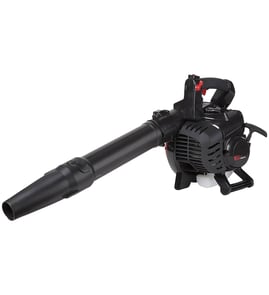








What is the life expectancy of a gas leaf blower?
A well-maintained gas leaf blower like the Craftsman 358794941 typically lasts about 10 years. Regular tune-ups, clean fuel practices, and replacing normal wear items (spark plug, air cleaner, fuel lines) are what most often determine whether it reaches that lifespan.
What “10 years” depends on
We see the longest service life when the blower is used and stored the way the manufacturer outlines in the 358794941 owner’s manual. Key factors include:
- Fuel quality and storage habits (stale fuel is a top cause of hard starting)
- Airflow health (clean air cleaner, clear intake and discharge)
- Operating conditions (dusty work, high heat, long run times)
- Maintenance frequency (tune-ups and inspections)
- Wear parts replaced on time (fuel line, fuel cap, starter parts)
Typical lifespan ranges (what to expect)
| Leaf blower type | Typical life expectancy | What usually ends it first |
|---|---|---|
| Gas handheld blower/vac | ~10 years | Fuel system issues, compression loss, starter wear |
| Corded electric blower | 10 to 15 years | Switch, cord, motor brushes (varies) |
| Battery blower | 5 to 10 years | Battery capacity decline |
Maintenance that extends life on the 358794941
These steps prevent the most common “won’t start” and “runs rough” problems:
- Use fresh, properly mixed fuel (if your unit is 2-cycle) and avoid long-term storage with fuel in the tank
- Keep the air intake clear; never set the running unit on dusty debris that can get pulled into the intake
- Inspect fuel lines for soft spots, cracking, or leaks; replace as needed with the ayp lawn & garden equipment fuel line, large 530069216
- Check the fuel cap seal and venting if you notice fuel smell, seepage, or stalling; the line trimmer fuel cap 578931605 is a common fix when the cap no longer seals or vents correctly
- Follow safe operating practices (eye protection, proper tubes installed, avoid unventilated areas)
Why it matters
A gas blower’s engine life is mostly about fuel delivery and airflow. Small issues like a restricted air cleaner or a cracked fuel line can make the engine run lean, overheat, and wear out faster, even if the blower is used only seasonally.
Last updated: February 2026
Why are gas-powered leaf blowers bad?
Gas-powered leaf blowers like the Craftsman 358794941 can be “bad” mainly because their exhaust and operating conditions create real safety and comfort risks: carbon monoxide exposure (especially in enclosed areas), high noise, flying debris, and vibration-related hand fatigue. Follow the safety rules in the 358794941 owner’s manual.
Main downsides (and what they mean)
- Carbon monoxide risk: Exhaust fumes can build up and can be deadly in unventilated areas; never run a gas blower in a garage, shed, or other enclosed space.
- Noise: Gas engines are loud; using lower throttle when possible and limiting run time reduces impact.
- Flying debris: Rocks, sticks, and glass can be picked up and thrown at high speed, risking injury and property damage.
- Dust and air irritation: Blowing dry debris can create dust clouds; lightly dampening surfaces helps in dusty conditions.
- Vibration exposure: Prolonged use can contribute to numbness, pain, or loss of strength in hands and fingers.
Safer ways to use a gas blower/vac
Use these practices with the Craftsman 358794941 to reduce the most common hazards:
- Operate outdoors only and avoid any unventilated area where exhaust can accumulate.
- Wear eye protection and keep bystanders, pets, cars, and windows out of the discharge path.
- Inspect the area first; remove hard objects (rocks, wire, glass) that can ricochet.
- Run at the lowest throttle that still gets the job done; rake first to loosen debris.
- Keep tubes and vents clear; check for clogs with the engine off and the spark plug disconnected.
Quick risk-to-fix guide
| Concern | Why it matters | What we recommend |
|---|---|---|
| Exhaust fumes | Carbon monoxide can kill | Outdoor use only; never in enclosed spaces |
| Noise | Hearing and neighborhood impact | Lower throttle; limit run time |
| Debris throw | Injury and broken glass | Eye protection; clear area first |
| Dust | Airway irritation | Lightly dampen surfaces |
| Vibration | Hand and finger symptoms | Take breaks; stop if symptoms occur |
Why it matters
Most complaints about gas-powered leaf blowers trace back to preventable exposure: breathing exhaust, operating near people or breakables, and extended high-throttle use. Using the correct operating position, protective gear, and cleanup practices makes the tool far safer and more tolerable.
Last updated: February 2026
Why does my Craftsman leaf blower keep dying?
If your Craftsman blower/vac model 358794941 starts but keeps dying, the most common causes are stale fuel (fuel system gum/varnish), restricted fuel flow, or an air-flow restriction. Following the fuel and storage steps in the 358794941 owner's manual usually fixes repeated stalling.
Quick checks that fix most stalling
- Dump old fuel and mix a fresh 2-cycle fuel blend; shake the container to fully mix.
- If the unit sat 30 days or longer, drain the tank, then run the engine until the fuel lines and carburetor are empty.
- Inspect the fuel lines for cracks, soft spots, or loose connections.
- Check the air intake opening and tubes for debris; restricted airflow can make the engine stumble and stall.
- Confirm the throttle lever is not being bumped into the STOP position.
Fuel system issues (most likely)
Old fuel can separate and form acids and sticky deposits during storage, which restricts the fuel system and causes stalling. If you see brittle or leaking lines, replace them.
Helpful parts for fuel delivery
| Symptom | What to inspect | Part that often helps |
|---|---|---|
| Dies when you open the throttle | Fuel line collapsing or leaking air | Ayp lawn & garden equipment fuel line, large 530069216 |
| Runs briefly, then quits | Loose line connection or fitting leak | Ayp chainsaw fuel line fitting 530023877 |
Airflow and attachment checks
This model must have the correct tubes installed for the mode you are using. Also keep the intake and discharge paths clear; debris buildup can restrict airflow and contribute to stalling.
Why it matters
A 2-cycle engine depends on steady fuel flow and unrestricted airflow. Stale fuel and clogged passages make the mixture go lean, which leads to repeated stalling and harder starting.
Last updated: February 2026
Are gas leaf blowers being phased out?
Yes. Gas leaf blowers like the Craftsman 358794941 are being phased out in many places through local noise and emissions rules, and some areas also restrict new sales; the overall trend is moving toward electric blowers, even though rules vary widely by state and city.
What “phased out” usually means
Most phase-outs happen in one of these ways:
- Use restrictions: limited hours/days you can operate a gas blower
- Noise limits: decibel caps that are hard for older 2-cycle units to meet
- Sales restrictions: bans on selling new gas-powered handheld equipment
- Fleet transitions: city or contractor requirements to switch to battery
- Incentives: rebates that make electric models more attractive
For safe operation and noise-reduction tips specific to this unit, follow the 358794941 owner’s manual.
How to tell what applies where you live
Rules are typically set by your city or county, not the manufacturer. We recommend checking:
- Your city code or municipal website (search “leaf blower ordinance”)
- County air-quality or environmental health rules
- HOA or neighborhood rules (often stricter than city rules)
- Park district rules if you use equipment on shared property
Quick comparison: common policy types
| Policy type | What it affects | What it means for your 358794941 |
|---|---|---|
| Usage ban | Operating the blower | You may need to switch to electric for compliance |
| Time-of-day limits | When you can run it | You can still use it during allowed hours |
| Sales ban | Buying new gas units | You can often keep using an existing blower |
| Noise limit | How loud it is | You may need muffler maintenance or a different tool |
Why it matters (and how to keep your blower running cleaner and quieter)
Even where gas blowers are still allowed, good maintenance reduces smoke, odor, and noise. For the Craftsman 358794941 (a 2-cycle blower/vac), focus on fuel system condition and exhaust flow.
- Use fresh, properly mixed 2-cycle fuel
- Keep the air intake and air cleaner serviced
- Inspect fuel lines for cracking or leaks (a common cause of hard starting)
- Replace worn fuel lines with the correct size, such as the ayp lawn & garden equipment fuel line, large 530069216 when it matches your setup
- Keep the muffler area clear of debris and check for damage
Last updated: February 2026
How to find Craftsman leaf blower model number?
The model number for your Craftsman leaf blower is printed on the product ID label; on model 358794941, it’s typically on the housing (often the back, bottom, or near the handle). Match that full number exactly when ordering parts or using the 358794941 owner’s manual.
Where to look on a Craftsman blower/vac
Check these common label locations first:
- Back of the engine housing
- Bottom of the unit near the base
- Near the starter/recoil housing
- Around the handle area
- Near the vacuum inlet door (blower/vac models)
How to write the model number correctly
Small differences can pull up the wrong parts list, so we recommend:
- Copy every digit exactly (for this unit: 358794941)
- Include any dots or dashes if they appear on the label
- Take a clear photo of the label before it wears
- Use the model number (not engine size like 25cc) when searching parts
Model number vs. other numbers (quick guide)
| What you see | What it means | Use it for |
|---|---|---|
| Model number (example: 358794941) | Identifies the exact Craftsman unit | Correct parts diagrams and parts fit |
| Engine specs (25cc, 2-cycle) | General performance info | Fuel mix and operation checks |
| Part number/ID (example: 530069216) | Identifies a specific replacement part | Ordering the exact part |
Why it matters
Craftsman blower/vac models can look similar but use different fuel lines, carburetors, starter parts, and tubes. Using the exact model number helps ensure the parts list matches your unit and prevents ordering the wrong component.
Last updated: February 2026
Who makes Craftsman leaf blowers?
Craftsman is a brand name; Craftsman leaf blowers (including model 358794941) have been produced for Sears by different manufacturers over the years, depending on the model and production run. For your exact unit, the most reliable way to confirm the manufacturer is to match the model and engine information shown in the 358794941 owner's manual.
What you can confirm on model 358794941
The documentation for Craftsman 358794941 identifies it as a 25cc, 2-cycle gas blower/vac (rated 200 MPH/400 CFM) and provides operation, maintenance, and parts information tied to this specific model. Use these identifiers when comparing parts lists and service info.
Quick identifiers from the manual
- Model number: 358794941
- Engine type: 2-cycle, 25cc (1.5 cu. in.)
- Function: blower/vacuum
- Fuel mix: 40:1 2-cycle oil to gasoline (per storage and maintenance guidance)
- Storage guidance: drain fuel system for storage 30+ days
Why the “maker” can vary for Craftsman
Craftsman-branded outdoor power equipment is commonly built by contract manufacturers. That means two Craftsman blowers can share the Craftsman name but have different engines, carburetors, and fuel system layouts.
| What you’re checking | Where to look | Why it matters |
|---|---|---|
| Model number (358794941) | Product label and manual | Confirms the correct parts breakdown |
| Engine family/type | Engine label, manual specs | Helps match carburetor and fuel line routing |
| Parts compatibility | Parts list and diagrams | Prevents ordering the wrong part |
Parts clues that help identify the correct build
When you are troubleshooting or ordering maintenance items, matching the exact parts for 358794941 is more important than the corporate “maker.” For example, fuel delivery issues often trace back to the fuel line and fittings.
Common fuel-system parts customers replace on this model include:
- Ayp lawn & garden equipment fuel line, large 530069216 (fuel line)
- Ayp chainsaw fuel line fitting 530023877 (fuel line fitting)
Why it matters
Outdoor power equipment parts are highly model-specific. Confirming the exact model and using the correct manual and parts list prevents fit issues, air leaks in the fuel system, and hard-start or no-start problems.
Last updated: February 2026
What is the best gas-powered leaf blower on the market?
There is no single “best” gas-powered leaf blower for everyone; the best choice depends on your yard size, debris type, and whether you want a handheld or backpack unit. Your Craftsman model 358794941 is a gas blower/vac designed for residential cleanup; use the 358794941 owner’s manual to match its capabilities to your needs.
How we recommend choosing the best gas blower
Focus on the specs and features that change real-world performance:
- CFM (air volume): higher CFM moves more leaves per pass
- MPH (air speed): higher MPH helps dislodge stuck or damp debris
- Blower type: handheld for quick jobs; backpack for long sessions and large yards
- Weight and ergonomics: handle design, vibration, and harness comfort matter
- Noise and operating habits: running at the lowest effective throttle reduces noise
- Vacuum and bagging: useful if you want to pick up and mulch dry leaves
Quick comparison: handheld vs backpack
| Feature | Handheld gas blower | Backpack gas blower |
|---|---|---|
| Best for | Small to medium areas, spot cleanup | Large yards, heavy leaf loads |
| Comfort | More arm load | Less arm fatigue, more back load |
| Typical advantage | Easy to store and maneuver | Higher sustained output |
| Typical tradeoff | Less power for big piles | Higher cost and bulk |
Getting the most from Craftsman 358794941
The manual’s operating tips make a bigger difference than most people expect:
- Use the full nozzle extension so airflow works close to the ground
- For vacuuming, run at high speed and move slowly over dry material
- Keep the vacuum tube about 1 inch above the ground to reduce clogging
If you are shopping for a “best overall” upgrade, compare CFM/MPH, weight, and whether you truly need a backpack design for your property.
Why it matters
A blower that is too small increases cleanup time; a blower that is too large adds weight, noise, and cost without improving results for typical residential leaf cleanup.
Last updated: February 2026
What size fuel line for Craftsman leaf blower?
For the Craftsman 358794941 gas leaf blower, fuel line size is chosen by matching the inside diameter to the tank and carburetor fittings so it seals tightly. Most 25cc 2-cycle blowers use small-engine fuel tubing in common sizes; confirm the exact routing and connection points in the 358794941 owner’s manual before you cut and install new line.
How we size the fuel line correctly
Use fit and function, not a guessed measurement:
- Match the ID so the line grips the carburetor nipple and tank fitting without slipping.
- Match the OD so it seals where it passes through the tank opening or grommet.
- Replace any line that is stiff, cracked, swollen, or gummy (ethanol fuel speeds this up).
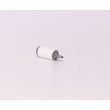
- Replace the in-tank fuel filter if it is restricted; a clogged pickup acts like a bad fuel line.
- Check the fuel cap vent; a plugged vent causes stalling after a short run.
Typical fuel line sizes for 2-cycle handheld blowers
These are the sizes most commonly used on Craftsman-style 2-cycle blower/vacs; use them as a starting point, then verify by test-fitting on your unit.
| Fuel line location | Typical ID range | What you’ll notice if it’s wrong |
|---|---|---|
| In-tank pickup line (to fuel filter) | 3/32 to 1/8 inch | Hard starting, air bubbles, won’t stay running |
| Supply/return line at carb/primer | 1/8 to 3/16 inch | Fuel seepage, poor prime, surging or stalling |
If your repair calls for the larger line used on some setups, a model-compatible option to compare is the ayp lawn & garden equipment fuel line, large 530069216.
Quick replacement checklist
- Drain the tank; work outdoors away from sparks or flame.
- Cut the line end at a sharp angle to feed it through the tank opening.
- Route lines exactly like the diagram so the primer and carburetor work correctly.
- Prime and inspect for leaks at the tank pass-through and carburetor connections.
Why it matters
Correct fuel line sizing prevents air leaks that cause lean running, hard starting, and stalling; it also helps the carburetor deliver the proper 40:1 fuel mix used by this Craftsman blower.
Last updated: February 2026