
Are McCulloch chainsaws good quality?
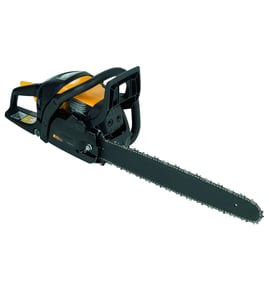
Mcculloch chainsaws are generally a solid, homeowner-focused choice when they’re maintained correctly, and the Mcculloch PRO chainsaw is built around the same basics that matter most: dependable cutting power, manageable handling, and serviceable wear parts (chain, bar, sprocket, filters).
What “good quality” means for a chainsaw
Quality shows up in how consistently the saw starts, cuts, and holds adjustment over time.
- Starts reliably hot and cold with PROper fuel mix and a clean air filter
- Holds chain tension and bar alignment without frequent re-adjustment
- Oils the bar and chain consistently (no dry cutting)
- Runs smoothly at idle and under load (no bogging or surging)
- Has durable controls (throttle trigger, stop switch) and effective chain brake
Quick checklist to judge your PRO model’s condition
Use these checks before you decide whether to tune up, repair, or replace.
| Check | What you want to see | If it’s not right, common next step |
|---|---|---|
| Cold start | Fires within a few pulls on choke | Clean carburetor, replace fuel lines/filter |
| Idle | Idles without chain moving | Adjust idle speed, inspect clutch |
| Acceleration | Revs cleanly without hesitation | Carburetor tune or rebuild |
| Oiling | Light oil line on wood/cardboard | Clean oiler ports, inspect oil pump |
| Cutting | Pulls chips (not dust) | Sharpen chain, check bar wear |
Why it matters
A “good” chainsaw is one that’s safe and predictable. When fuel delivery, chain sharpness, and bar oiling are right, you get faster cuts, less kickback risk, and longer life from the engine and cutting system.
Helpful DIY guidance
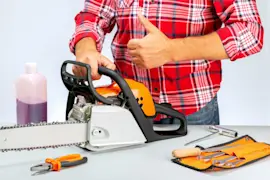
For common performance issues, we recommend starting with these PROven troubleshooting and repair steps:
Last updated: February 2026
How can I tell what size chain my chainsaw needs?
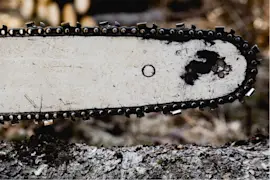
For your Mcculloch PRO chainsaw, the correct chain size is determined by three specs: pitch, gauge, and the exact drive link count. The fastest way to confirm fit is to match those specs from your current chain or bar markings before ordering a replacement.
What to measure (the 3 chain sizing specs)
- Drive link count: Count the drive links (the “teeth” that ride in the bar groove). Mark one link with tape, then count all the way around.
- Pitch: The spacing of the chain; it must match the sprocket and guide bar.
- Gauge: The thickness of the drive links; it must match the guide bar groove.
Where to find the specs
Most chainsaws let you confirm sizing without guessing:
- Look for bar stamp/etching on the guide bar (often lists pitch, gauge, and drive links).
- Check the old chain packaging if you still have it.
- Measure the existing chain if markings are worn.
Quick reference table
| Spec | What it affects | What must match |
|---|---|---|
| Pitch | Fit on sprocket and bar nose | Bar and sprocket |
| Gauge | Fit in bar groove | Bar groove |
| Drive links | Overall chain length | Bar length and mount |
Why it matters
If pitch or gauge is wrong, the chain will not run correctly and can derail or bind. If the drive link count is off, the chain will be too loose or too tight even with PROper tensioning.
Next best step
Use our DIY guide to confirm chain basics and avoid mismatches: chainsaw common questions.
Last updated: February 2026
How many cc's is a McCulloch PRO?
The Mcculloch PRO MAC 700 (model 600116-03) is typically a 70 cc class gas chainsaw. On older saws, the exact displacement can vary slightly by PROduction run and cylinder setup, but it is generally treated as a 70 cc saw for parts and service decisions.
How to confirm the cc on your specific saw
Check the identification tag and engine markings first, then match what you see to the correct parts breakdown.
- Look for a model and type tag on the starter housing or crankcase
- Check for a stamped or cast marking on the cylinder (some versions list displacement)
- Compare your saw’s carburetor, air filter cover, and starter layout to the illustrated parts list
- If the saw has been rebuilt, confirm the cylinder and piston match the original configuration
- Use the model-based parts lookup to avoid ordering the wrong fuel system or ignition parts
What “70 cc class” means in practice
This is how we use displacement to guide common service and setup choices.
| Item | Typical for 70 cc class saws | Why it matters |
|---|---|---|
| Powerhead size | Larger chassis and heavier crankcase | Affects fit of handles, mounts, and covers |
| Fuel system | Higher-flow carburetor and fuel lines | Impacts starting, acceleration, and top-end |
| Cutting setup | Commonly paired with longer bars | Changes chain speed load and oiling demand |
Why it matters
CC (engine displacement) helps you match the right carburetor settings, fuel line sizes, and ignition components, and it also helps you choose a bar and chain combination that the engine can pull without bogging.
Related DIY help
- Use our chainsaw common questions guide for quick identification and maintenance checks.
- If your saw is hard to start after sitting, follow tips for a hard to start chainsaw.
Last updated: February 2026
Is 40 1 or 50 1 better for chainsaws?
For the Mcculloch PRO MAC 700 MODEL 600116-03 chainsaw, 40:1 is the correct choice because that is the fuel-to-oil ratio this type of saw is designed to run. Using 50:1 reduces lubrication and can accelerate wear; stick with 40:1 and measure accurately.
What to use for this Mcculloch chainsaw
- Mix fresh gasoline with 2-cycle engine oil at 40:1
- Measure; do not “eyeball” the oil
- Use a clean, approved fuel container and shake before refueling
- Make only what you will use in a short period; old fuel causes hard starting and rough running
- If performance changes after a mix change, drain and refill with the correct 40:1 mix
40:1 vs 50:1 (what changes)
| Mix ratio | Oil in the mix | What you typically see | Main risk |
|---|---|---|---|
| 40:1 | More oil | Strong lubrication, good PROtection under load | More smoke and carbon deposits if the saw is already running rich |
| 50:1 | Less oil | Cleaner exhaust on some saws | Less lubrication; higher wear risk on saws designed for 40:1 |
Why it matters
A 2-cycle chainsaw engine gets all its lubrication from the oil mixed into the fuel. Running lean on oil (such as 50:1 in a saw intended for 40:1) increases friction and heat, which shortens engine life.
If the saw smokes a lot or runs rough
The mix ratio is only one factor. These checks solve most running issues:
- Replace stale fuel with a fresh 40:1 mix
- Clean the air filter
- Check the spark plug for heavy carbon buildup
- Inspect fuel lines and the fuel filter for cracks or restrictions
- Clean the spark arrestor screen if equipped
For step-by-step troubleshooting, use chainsaw care and troubleshooting tips and chainsaw runs rough.
Last updated: February 2026