Error Codes


Is there a reset button on a Kenmore upright freezer?
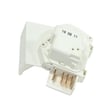
Most Kenmore upright freezers, including model 2539284212, do not have a single dedicated “reset” button. A practical reset is to power-cycle the freezer (unplug briefly, then restore power); if the issue is related to defrosting, the defrost system components are the next place to check, such as the upright freezer defrost timer 5304518034.
- Unplug the freezer (or switch the breaker off).
- Wait 5 minutes to let the control and compressor protection reset.
- Plug it back in (or turn the breaker on).
- Allow 24 hours for temperatures to fully stabilize after any reset or adjustment.
- Confirm the interior light and fan sound return after power is restored.
- Set the temperature control to a normal mid-range setting.
- Make sure the door closes tightly and seals all the way around.
- Listen for the compressor to start within several minutes.
- Check for heavy frost on the back interior panel (a common defrost clue).
If the freezer still will not cool correctly, runs constantly, or builds heavy frost, the problem is usually not a control reset issue. It is commonly a defrost, airflow, or sealed-system problem.
| Symptom | What it often points to | Example part on this model |
|---|---|---|
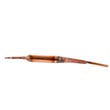
| Heavy frost, warm temps | Defrost system not clearing ice | Defrost thermostat 297216600 or upright freezer defrost timer 5304518034 |
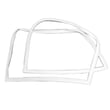
| Door won’t seal, frost at edges | Air leak at door | Freezer door gasket 5304507201 |
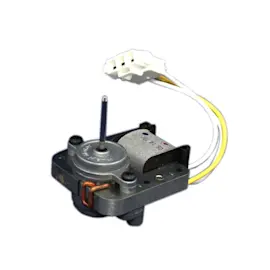
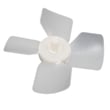
| Warm temps, weak airflow | Evaporator fan issue | Blade 5308000010 |
A reset can clear a temporary control or compressor protection state, but it will not correct ongoing issues like a failed defrost thermostat, a stuck defrost timer, or a leaking door gasket. Fixing the root cause protects food and prevents excessive compressor run time.
Last updated: February 2026
What size is a Kenmore refrigerator model 2539284212?
Kenmore model 2539284212 is an upright freezer; the exact exterior dimensions and capacity vary by production version and are best confirmed by measuring your unit directly. For planning, most freestanding upright freezers in this class are about 30 to 33 inches wide, 65 to 72 inches tall, and 26 to 32 inches deep (not including the handle).
Use a tape measure and record the largest point in each direction.
- Width: measure across the front at the widest point (often the hinge side)
- Height: floor to the highest point (include hinge cover if present)
- Depth: back panel to the front of the door (measure again including the handle if clearance is tight)
- Door swing: confirm you can open far enough to remove baskets and shelves
- Ventilation space: leave room around the cabinet so it can shed heat
These allowances help prevent warm temperatures, long run times, and frost buildup.
| Location | Typical clearance | What it helps with |
|---|---|---|
| Back | 1 to 3 in. | Heat release and efficient cooling |
| Top | 1 to 2 in. | Prevents heat trapping above the cabinet |
| Sides | 1/2 to 1 in. | Airflow and avoiding cabinet rub |
| Front (door swing) | As needed | Full access to baskets and shelves |
If the freezer is squeezed into a tight nook, restricted airflow and incomplete door closing can cause temperature swings and frost. If you notice gaps, condensation, or a door that will not seal after leveling, replacing the door seal restores proper closure.
A common sealing-related replacement for this model is the freezer door gasket 5304507201.
Last updated: February 2026
What's the average lifespan of an upright freezer?
Most upright freezers last 10 to 15 years. With steady temperatures, good airflow around the cabinet, and basic upkeep, many units run closer to the high end of that range before major sealed-system or compressor repairs become more likely.
- Heat and ventilation: Poor airflow makes the compressor work harder.
- Door seal condition: A leaking gasket forces longer run times and adds frost.
- Defrost system health: Failed defrost parts can cause heavy ice buildup and warm temps.
- Condenser cleanliness: Dust and pet hair raise operating temperatures.
- Usage habits: Frequent door openings and overpacking reduce efficiency.
- Keep the freezer level so the door closes and seals consistently.
- Leave a little space between packages so air can circulate.
- Clean dust from the condenser area periodically.
- Watch for recurring frost on the back wall; it often points to a defrost issue.
- Replace worn sealing parts promptly, such as the freezer door gasket 5304507201.
| What you notice | Most common cause | Typical next step |
|---|---|---|
| Door pops open, moisture, frost near door | Worn/warped gasket | Inspect and replace gasket if it will not seal |
| Heavy frost, warmer temps, fan noise changes | Defrost system problem | Check defrost components such as the upright freezer defrost timer 5304518034 |
| Runs constantly, cabinet feels hot | Dirty condenser or airflow issue | Clean condenser area; confirm clearance |
A freezer that runs longer than it should uses more electricity and can struggle to hold safe food temperatures. Simple items like a good door seal and a working defrost cycle reduce compressor wear and help you get the full expected service life.
Last updated: February 2026