 Installation guide
 Owner’s manual





How to fix failure to drain on GE dishwasher?
A GE GDF510PGM0WW dishwasher that won’t drain is usually caused by a blocked drain path (air gap, disposer plug, or drain hose routing) or a drain pump issue. Start with the quick plumbing checks, then move to the pump and internal filters if needed; use the GDF510PGM0WW installation guide for correct drain hose setup.
Quick checks that fix most “won’t drain” problems
- Cancel the cycle: press and hold Start/Reset for 3 seconds to force a drain.
- Confirm the door is fully latched; the unit will not run the drain sequence reliably if the latch is not engaged.
- If connected to a garbage disposer, make sure the disposer drain plug was removed.
- If you have an air gap, check that it is not plugged.
- Inspect the drain hose for a kink or pinch under or behind the dishwasher.
Drain hose setup (common install-related cause)
A drain hose that is too long, routed incorrectly, or connected too high can slow or stop draining.
| Drain requirement | What to verify |
|---|---|
| Max connection height | Drain connection height is 72 in. or less above the bottom of the dishwasher |
| Max total hose length | Total drain hose length is 12 ft or less |
| Hose condition | Corrugated section is not cut; hose is not crushed or kinked |
When it’s likely a part problem
If the dishwasher hums during drain but water stays in the tub, the drain pump area may be blocked or the pump may be failing.
- Check for debris at the sump area (glass, labels, food).
- If the pump is noisy, seized, or intermittently drains, replacement is typical.
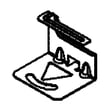
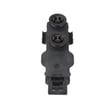
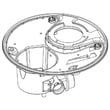
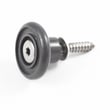
Helpful model-matched part:
Why it matters
Standing water can cause odors, poor cleaning, and repeat clogs. Correct drain hose routing and a clear drain path protect the wash system and help the dishwasher complete cycles normally.
Last updated: January 2026
What is the average lifespan of a GE dishwasher?
A GE dishwasher typically lasts 10 to 12 years. With consistent care (cleaning, preventing hard-water buildup, and avoiding overloads), many units reach the 10 to 15 year range; heavy daily use and poor maintenance commonly shorten life closer to 8 to 10 years. For model-specific care steps, use the GDF510PGM0WW owner's manual.
What affects lifespan the most
- Hard water and mineral scale: buildup reduces cleaning performance and strains the wash system.
- Filter and sump cleanliness: debris can restrict water flow and increase pump wear.
- Heating performance: weak heating can lead to poor drying and longer cycles.
- Door sealing and latching: leaks and door issues can cause repeated interruptions.
- Installation quality: improper installation can lead to early failures and service issues.
Maintenance that helps your GE dishwasher last longer
We recommend these habits for the GE GDF510PGM0WW:
- Clean and de-odorize the interior periodically using citric acid or a dishwasher cleaner (per the manual).
- Wipe the control panel with a lightly damp cloth, then dry.
- Let heating components cool before cleaning inside after a cycle.
- Use a rinse aid to reduce hard-water film and spotting.
- Load so spray arms can rotate freely and water can reach all surfaces.
Quick lifespan expectations by usage
| Usage pattern | Typical lifespan | What to watch for |
|---|---|---|
| Light (few loads/week) | 12 to 15 years | Seals drying out, infrequent cleaning buildup |
| Average (most households) | 10 to 12 years | Normal wear on pumps, racks, and seals |
| Heavy (daily, large loads) | 8 to 10 years | Pump wear, heating issues, leaks |
Why it matters
Knowing the typical lifespan helps you decide when maintenance is worth doing versus planning a repair. If cleaning performance drops, start with basic care and diagnostics before replacing major components; many “aging dishwasher” symptoms come from buildup, loading issues, or water quality.
If your dishwasher displays a fault code while aging, use the GE electronic dishwasher error codes guide to narrow down the system involved.
Last updated: January 2026
Can a clogged drain cause an FTD error?
Yes. On the GE GDF510PGM0WW dishwasher, a clogged drain path is a common reason you can see an FTD (fail to drain) condition because the unit cannot pump water out during drain. Clearing the blockage in the drain system typically restores normal draining.
What to check first (fast, no-parts steps)
- Cancel the cycle by pressing and holding Start/Reset for about 3 seconds; the dishwasher should begin draining.
- Open the door after draining and confirm whether water is still standing in the tub.
- Check the air gap (if your sink setup has one) and clean it.
- If the dishwasher drains into a garbage disposer, make sure the disposer inlet plug was removed.
- Inspect the drain hose for kinks or pinches behind or under the dishwasher.
- Run the kitchen sink and confirm it drains normally (a slow sink can indicate a plumbing restriction).
Parts that can contribute to an FTD-style drain problem
If the basic checks above do not fix it, these parts are common suspects on this model:
- Dishwasher drain hose WD24X10062 (kinked, clogged, or restricted)
- Drain pump asm WD19X24829 (pump not moving water, noisy, or jammed)
- Sump and filter area (food debris restricting flow)
Quick symptom guide
| What you notice | Most likely cause | What to do |
|---|---|---|
| Water remains in tub after cancel/drain | Clog in hose, air gap, disposer, or plumbing | Clear restriction; verify hose routing and disposer connection |
| Pump runs but weak/no drain flow | Partial blockage or failing drain pump | Check hose and air gap; inspect pump area for debris |
| Intermittent draining | Hose kink shifts, air gap/disposer buildup | Re-route hose, clean air gap, flush disposer |
Why it matters
A restricted drain can leave dirty water in the tub, cause odors, and reduce cleaning performance. Fixing the drain path early also helps prevent pump strain and repeat drain errors.
For model-specific drain routing and checks (including high loop and air gap guidance), follow the GDF510PGM0WW installation guide.
Last updated: January 2026
What is the most common problem with GE dishwashers?
The most common GE dishwasher problems are “won’t drain” and “won’t start.” On the GE GDF510PGM0WW, these issues usually trace back to food debris buildup (filters, sump, drain hose), a tripped breaker or switched-off power, or a door that is not fully latched.
Most common symptoms and what they usually mean
- Standing water in the bottom: drain path restriction (filter/sump area, drain hose, disposer connection)
- Hums but doesn’t drain: drain pump obstruction or a failing pump
- No response when you press Start: breaker, wall switch, control lock, or door latch not engaging
- Detergent left in the cup: dishes blocking the dispenser or poor spray action
- Suds and poor cleaning: wrong detergent type (hand soap causes heavy suds)
Quick checks we recommend first (fast, no parts)
Use these steps before replacing anything; they solve most service calls.
- Confirm the circuit breaker is on and any nearby wall switch feeding the dishwasher is on.
- Make sure the door closes firmly; a weak latch can prevent the cycle from starting.
- Check for control lock and unlock it if needed (steps vary by cycle pad sequence).
- Remove and clean the filter area and sump opening; clear any labels, glass, or food debris.
- Inspect the drain hose routing for kinks and verify the high loop/air gap setup per the GDF510PGM0WW installation guide.
Parts that commonly fix these problems on GDF510PGM0WW
| Problem | Common culprit | Example part for this model |
|---|---|---|
| Won’t start or stops when door moves | Door latch not sensing closed | GE dishwasher door latch lock WD21X10490 |
| Not draining | Drain pump weak or jammed | WD19X24829 (drain pump asm) |
| Poor cleaning | Spray arm clogged or not spinning | Dishwasher spray arm, lower WD22X33499 |
Why it matters
Drain and start problems often look “electronic,” but they are frequently caused by simple mechanical issues like a blocked drain path or a door that is not fully latched. Fixing the root cause prevents repeat clogs, odors, and incomplete cycles.
For cycle use, detergent guidance, and cleaning steps (including avoiding hand dish soap and managing suds), follow the GDF510PGM0WW owner’s manual.
Last updated: January 2026





