Owner’s manual



How long do Kenmore canister vacuums last?
Most Kenmore canister vacuums typically last 8 to 12 years with normal household use and routine maintenance. For Kenmore model 11622614310, lifespan depends most on how often it’s used, how well airflow is kept clear (bag and filters), and whether the PowerMate brush system is kept clean per the 11622614310 owner's manual.
- Light use (1 to 2 times/week): 10 to 12 years
- Average use (2 to 4 times/week): 8 to 10 years
- Heavy use (daily, pets, large homes): 6 to 8 years
| What wears first | What you’ll notice | What to do |
|---|---|---|
| Bag, filters | Weak suction, dusty exhaust | Replace bag and filters; clear clogs |
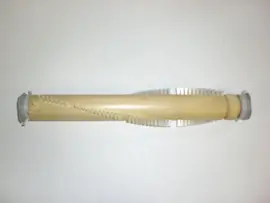
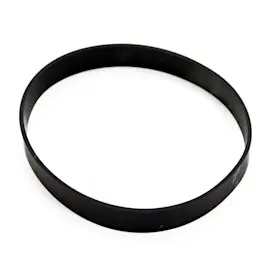
| Belts/brush roll (PowerMate) | Brush not spinning, poor carpet pickup | Clean brush roll; replace worn drive parts |
| Hose/wand connections | Air leaks, whistling, intermittent suction | Reseat connections; inspect for cracks |
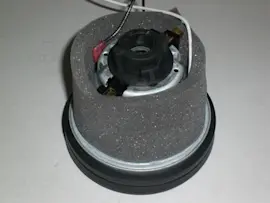
| Motor protection/overheat | Shuts off during use | Clear restrictions; let it cool; check filters |
- Change the bag before it’s packed full (restricted airflow shortens motor life).
- Keep filters clean or replaced on schedule.
- Remove hair and string from the PowerMate brush roll.
- Check the hose and wand for clogs and air leaks.
- Store the hose loosely coiled to avoid stressing and cracking the hose covering (a storage tip called out in the manual).
A repair is usually worth it when the vacuum still has strong suction and the issue is limited to common wear items (bags, filters, belts, brush roll). If you’re chasing repeated shutoffs, burning smells, or persistent loss of suction after basic maintenance, use our vacuum repair-guides landing page to pinpoint the most likely failure.
Canister vacuums rely on steady airflow for cooling and suction. Keeping airflow open (bag, filters, no clogs) is the single biggest factor in getting a full, long lifespan from a Kenmore canister vacuum.
Last updated: February 2026
What are the disadvantages of a canister vacuum?
Canister vacuums like the Kenmore 11622614310 clean very well, but the tradeoffs are portability and convenience: you have to pull the canister behind you, manage a hose and wand, and store a bulkier setup. They also require more handling to prevent bumps, tangles, and clogs (see the 11622614310 owner's manual).
- Bulkier storage: canister, hose, wand, and floor nozzle take more space than many uprights.
- More to manage while cleaning: the canister can snag on corners, furniture, or thick carpet.
- More bending and pulling: switching tools, moving the canister, and cleaning stairs can be harder on your back.
- Stairs are trickier: the manual warns to use care when the canister is on stairs and to move it by the handle grip, not by pulling the hose.
- Clogs and airflow issues are more noticeable: long hoses and wands can trap debris; you may need to check for twisting and blockages.
- Cord rewind requires attention: the cord rewinds quickly; you need a clear path and should hold the plug while rewinding.
| Feature | Canister vacuum (like 11622614310) | Upright vacuum |
|---|---|---|
| Storage footprint | Larger, multiple pieces | Usually smaller, one-piece |
| Stairs | More handling required | Often simpler to carry |
| Under-furniture reach | Typically excellent (hose/wand) | Varies by design |
| Clog points | More (hose, wand, swivel) | Fewer (shorter airflow path) |
- Move the canister using the handle grip, especially around stairs.
- Before pulling the canister, check the hose swivel and hose for twisting.
- If suction drops, follow the manual’s clog-check sequence (dust cup, filters, hose, wand, PowerMate swivel).
- Keep the airflow passage open and remove obstructions before they trigger protection features.
- For brush or belt-related floor nozzle issues, use the built-in belt reset steps in the manual.
Most “canister vacuum problems” are really handling and airflow problems: bumps, tangles, and clogs reduce cleaning performance and can cause shutoffs or brush roll stoppages. Using the correct moving and clog-check habits keeps suction and tool performance consistent.
Last updated: February 2026
What is the best canister vacuum on the market today?
There is no single “best” canister vacuum for everyone; the best choice depends on your floors, filtration needs, and budget. If you already own a Kenmore canister like model 11622614310, the “best” upgrade is often restoring like-new performance with correct setup, airflow checks, and maintenance from the 11622614310 owner's manual.
- Flooring mix: homes with lots of carpet benefit from a powered nozzle; hard floors prioritize smooth airflow and brush control.
- Filtration: choose HEPA-level filtration if allergies, asthma, or fine dust are a concern.
- Bagged vs. bagless: bagged models typically control dust better; bagless can reduce consumable costs.
- Weight and handling: look for easy swivel hose movement, stable canister tracking, and comfortable wand reach.
- Noise and durability: higher-end units often run quieter and last longer with routine care.
| Need | What to prioritize | Typical best-fit canister type |
|---|---|---|
| Pet hair | Strong agitation, sealed filtration | Bagged + powered nozzle |
| Mostly hard floors | Smooth suction control, floor tool | Lightweight canister |
| Allergies | Sealed system, HEPA filtration | Bagged HEPA canister |
| Tight budget | Simple design, easy parts access | Basic bagged canister |
Many “weak suction” complaints come from airflow restrictions or technique, not the motor. We recommend:
- Unplug the vacuum; check for clogs and keep the airflow path open.
- Use steady strokes (fast, jerky strokes clean less effectively).
- Check the hose for twisting before pulling the canister.
- On carpeted stairs, close suction control for best cleaning.
For step-by-step troubleshooting paths, use our vacuum symptoms landing page.
A canister vacuum that matches your flooring and filtration needs cleans faster, protects carpet fibers, and reduces dust recirculation. If your current Kenmore canister is in good shape, maintenance and correct operation can deliver “top-tier” results without replacing the whole vacuum.
Last updated: February 2026
Where to find model number on Kenmore canister vacuum?
Your Kenmore canister vacuum model 11622614310 lists the model and serial numbers on the Model and Serial Number Plate on the vacuum; you will need both numbers when requesting service or looking up the correct parts.
Check these common plate locations on Kenmore canister vacuums like model 11622614310:
- On the canister body near the rear wheels
- On the underside (bottom) of the canister
- Near the cord rewind area or power cord entry point
- Inside the bag cover or dust compartment door area
- Near the hose connection port on the canister
If you have the Use and Care Guide, it also confirms the model and serial numbers are on the Model and Serial Number Plate; see the 11622614310 owner's manual.
Record both identifiers exactly as shown on the plate:
- Model number (example format: 116.22614310 or 11622614310)
- Serial number (letters and numbers)
- Date of purchase (helpful for reference)
| Item | What it’s used for | Tip |
|---|---|---|
| Model number | Matching diagrams and parts to your exact vacuum | Copy every digit; do not round or shorten |
| Serial number | Service history and production details | Include letters, dashes, and spaces if shown |
Kenmore vacuums often share similar housings across multiple models, but internal parts (like wiring, switches, and PowerMate components) can differ. Using the exact model number helps ensure you order the right replacement parts the first time.
Last updated: February 2026
Who makes Kenmore canister vacuum cleaners?
Kenmore is a brand name used on vacuums that are built by contracted manufacturers (not made in a Kenmore-owned factory). For the Kenmore 11622614310 canister vacuum, the most reliable way to identify the actual manufacturer for your specific unit is to check the model and serial number plate and the information in the 11622614310 use & care guide.
Use these quick checks so you are matching parts and service info correctly:
- Look for the model and serial number plate on the canister body.
- Record the full model number (for this unit: 11622614310) and your serial number.
- Compare the wording on the rating plate to the contact and support details in the manual.
- Use the manual’s “Requesting Assistance or Service” section when you need brand-authorized support.
- When ordering parts, match by model number first, then confirm the part description.
The 11622614310 use & care guide shows this vacuum is supported under the Kenmore brand and provides a dedicated Vacuum Cleaner Help Line for service questions. That is the best starting point for manufacturer-specific questions because it ties support to the exact model and serial number.
| What you need | Where to find it | Why it matters |
|---|---|---|
| Model number (11622614310) | Model/serial plate | Ensures correct parts and documentation |
| Serial number | Model/serial plate | Helps identify production run and configuration |
| Service contact info | Use & Care Guide | Routes you to the correct support channel |
Kenmore canister vacuums can share similar styling across different production runs, but internal components (hose handle wiring, PowerMate parts, switches) can vary. Using the model/serial plate plus the manual keeps repairs accurate and prevents ordering the wrong replacement part.
Last updated: February 2026
Why is my Kenmore vacuum brush not spinning?
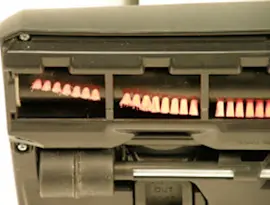
On Kenmore canister vacuum model 11622614310, the brush (agitator) usually stops spinning because the PowerMate drive belt is broken or off, the brush roll is jammed with debris, or the PowerMate motor is not getting power. Follow the safety and PowerMate care steps in the 11622614310 owner's manual before servicing.
The manual warns that moving parts can start unexpectedly. Before you touch the brush area:
- Turn the vacuum OFF
- Unplug from the electrical outlet
- Keep hands and feet away from the nozzle opening
- Never service the brush area with the vacuum plugged in
- Belt issue: If the belt is broken, stretched, or slipped off, the motor can run but the brush will not.
- Brush roll jam: Hair, string, carpet fibers, or a small object can lock the brush roll.
- Clog or overload: A blockage in the nozzle or wand can strain the system and reduce brush performance.
- Power to the PowerMate: A loose wand-to-nozzle connection, damaged cord, or wiring issue can stop the brush motor.
- Brush roll or motor failure: Worn end caps/bearings or a failed PowerMate motor can prevent rotation.
| What you notice | Most likely cause | Best next step |
|---|---|---|
| Motor sound, brush still | Belt off/broken | Inspect belt and brush roll for binding |
| Brush hard to turn by hand (unplugged) | Debris jam or seized bearings | Remove debris; check end caps |
| No motor sound at power head | No power to PowerMate | Reseat connections; inspect cord/wiring |
| Works briefly then stops | Overload from jam/clog | Clear brush area and airflow path |
If you find a damaged wire in the power head or handle circuit, replacing the harness lead can restore power. For wiring-related issues on this model, see the white wire KC85WDYUZ000 part listing and match it to your exact location in the wiring path.
A non-spinning brush reduces carpet agitation, so pickup drops fast and the PowerMate motor and belt can overheat from extra load. Clearing jams early helps prevent repeat belt failures and protects the nozzle components.
For step-by-step PowerMate cleaning and troubleshooting guidance, we also recommend the vacuum brush roll on spinning DIY symptom guide.
Last updated: February 2026