Owner’s manual
 Error Codes


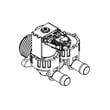


What is the most common problem with a Maytag washer?
For the Maytag MHW5630HC1 front-load washer, the most common issues we see are draining and spinning problems, musty odor from detergent residue, and leaks around hoses or the door area. Many of these start with simple maintenance and a quick check of the drain path and water connections.
- Won’t drain or won’t spin out: drain pump filter clogged, drain hose kinked, or a failing pump
- Washer smells or has buildup: too much detergent, frequent cold washes, door kept closed between loads
- Leaks: loose fill hoses, worn hose washers, or door boot (bellow) issues
- Door won’t lock or cycle won’t start: door lock or door strike not engaging
- No fill or slow fill: restricted inlet screens or aging inlet hoses
Use the steps and safety guidance in the owner's manual before servicing.
- Unplug the washer; then check the drain hose for kinks or a crushed section
- Confirm both water faucets are fully open; inspect hoses for bulges or seepage
- Run fewer cold-only loads; mix in warm or hot washes periodically to reduce residue
- Leave the door slightly open between uses so the tub can dry (helps prevent odor)
- If draining is slow, clean the drain pump filter and remove trapped debris
| Symptom | Likely area | Example part on this model page |
|---|---|---|
| Won’t drain, F-code related to draining, water left in tub | Drain system | Washer drain pump assembly W11458345 |
| Door won’t lock, won’t start, “door” related errors | Door latch/strike | Ha15g janus- W11565030 or strike, door W11316914 |
| Water at front of washer, dampness near door opening | Door boot (bellow) | Bellow, d412 W11314648 |
Drain and door-lock problems can stop the cycle mid-wash, while detergent residue and poor drying habits can create odor and buildup that shorten component life. Regular care (correct HE detergent use, occasional warm washes, and drying the tub) prevents many “common” Maytag washer complaints.
If you need to order parts for Maytag MHW5630HC1, use the parts list for this model or search by model number on Sears PartsDirect.
Last updated: February 2026
What is the average lifespan of a Maytag washing machine?
Maytag washing machines typically last 10 to 13 years in normal household use. For your Maytag MHW5630HC1 front-load washer, consistent maintenance (especially hose replacement and routine cleaning) is what most directly determines whether you land closer to 10 years or push beyond it; see the owner's manual.
Most washers wear out from a mix of mechanical load, moisture, and vibration. The biggest lifespan drivers are:
- Loads per week (more cycles equals faster wear)
- Overloading (stresses the tub, bearings, and suspension)
- Detergent choice and amount (HE detergent and correct dosing reduce residue)
- Water quality (hard water can increase buildup)
- Preventive maintenance (hoses, cleaning cycles, leak checks)
Your manual calls out several care items that directly reduce common failure risks.
- Replace water inlet hoses every 5 years
- Inspect hoses periodically for bulges, kinks, cuts, wear, or leaks
- Keep airflow around the washer clear (avoid piles of laundry blocking ventilation)
- Use HE detergent and avoid overdosing
- Run the washer’s cleaning routine as recommended to reduce odor and buildup
| Item | Typical interval | Why it matters |
|---|---|---|
| Water inlet hoses | Every 5 years | Reduces risk of leaks and hose failure |
| Door boot (bellow) cleaning | Monthly (typical) | Helps prevent odor, mildew, and leaks |
| Drain pump area check | As needed | Helps prevent slow drain and pump strain |
A washer can keep running for years with minor wear, but leaks, drainage problems, and door-lock issues are the types of failures that often turn into bigger repairs. Staying ahead of hoses and routine cleaning helps protect major components like the control board, motor system, and tub.
If you’re planning ahead for ownership beyond the 10-year mark, these are common repair categories for front-load washers:
- Drain and draining components (example: washer drain pump assembly W11458345)
- Door lock and latch components (example: ha15g janus- W11565030)
- Door seal/boot leaks (example: bellow, d412 W11314648)
- Fill hoses (example: washer fill hose set 8212545RP)
You can order replacement parts for Maytag MHW5630HC1 from the parts list for this model, or search by model number on Sears PartsDirect.
Last updated: February 2026
How do I force my Maytag washer to reset?
To reset your Maytag washer model MHW5630HC1, start with a power reset: turn the washer off, unplug it for 1 to 5 minutes, then plug it back in and try a cycle. This clears many temporary control glitches.
- Press Power to turn the washer off.
- Unplug the power cord (or switch the breaker off).
- Wait 1 to 5 minutes.
- Restore power.
- Press Power, select a cycle, then press Start/Pause.
For model-specific control behavior and what each display message means, use the MHW5630HC1 owner's manual.
Some conditions clear only after you correct the cause and then restart.
| What you see | What to do | Why it works |
|---|---|---|
| Cycle paused or won’t continue | Touch and hold Start/Pause | Restarts the cycle logic after an interruption |
| “rL” during Clean Washer cycle | Remove items, press Power to clear, then touch and hold Start/Pause | The washer stops until the drum is empty |
| Won’t drain or ends with water left | Check for drain restriction; clean the pump filter if equipped | Drain issues can look like a control “freeze” |
If MHW5630HC1 will not finish, will not spin out, or leaves water in the drum, focus on the drain path and door latch.
- Make sure the door closes firmly
- Confirm the drain hose is not kinked or crushed
- Check the standpipe or sink drain for a slow clog
- Clean the drain pump filter if your model has one
- If the pump is loud or not moving water, replace it with the washer drain pump assembly W11458345
A reset clears temporary electronic states, but it will not fix a failed drain pump, a clogged drain path, or a door lock problem. Correcting the underlying cause prevents repeat stoppages and incomplete draining.
Last updated: February 2026
Is it worth fixing a Maytag washer?
Yes. It’s worth fixing your Maytag MHW5630HC1 washer when the failure is a common, serviceable issue (drain, door lock, hoses, door boot) and the total repair stays well under the cost of a comparable new washer. Confirm symptoms and maintenance steps in the MHW5630HC1 owner's manual.
- Washer is under 8 years old.
- Repair total is under 50% of replacement cost.
- Problem is isolated to one system (drain, fill, door lock, leak).
- No pattern of repeated repairs in the last 12 to 24 months.
- You can complete basic checks safely (power, water supply, drain path).
| Symptom | What to do | Example part |
|---|---|---|
| Won’t drain, stops mid-cycle, water left in tub | Check for clogs; replace pump if failed | Washer drain pump assembly W11458345 |
| Won’t start, door won’t lock | Inspect latch/strike; replace failed lock | Ha15g janus- W11565030 |
| Leaks at the door opening | Replace the door boot (bellow) | Bellow, d412 W11314648 |
| Fill leaks or old hoses | Replace inlet hoses as needed | Washer fill hose set 8212545RP |
- Tub and drum assembly failure (high labor and part cost).
- Multiple major parts failing at once (control plus motor system).
- Chronic downtime from repeated breakdowns.
Front-load washers run efficiently for years when maintained. Our manual guidance includes using HE detergent correctly and replacing water inlet hoses after 5 years to reduce leaks and odor-causing residue.
- Inspect inlet hoses for bulges, kinks, cuts, wear, or leaks.
- If water remains, check the drain path and pump area for debris.
- Price the likely part(s) from the model’s parts list, or search by model on Sears PartsDirect.
Last updated: February 2026