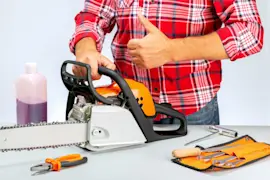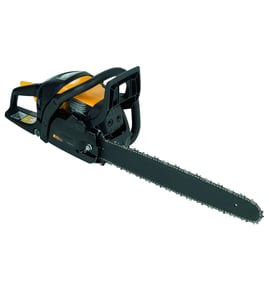

How many cc is a McCulloch PRO?
For the Mcculloch PRO MAC 700 (model 600116-06), the engine size is typically about 70 cc. On Sears PartsDirect, this model is listed under model number PRO, so we use the saw’s full model name (PRO MAC 700) when matching specs and parts.
Because “PRO” is a shortened model identifier on the parts listing, confirm the exact saw version using the ID tag and basic features before ordering parts.
- Check the model/serial tag on the saw body (often near the starter housing or handle area)
- Look for “PRO MAC 700” and the full identifier 600116-06
- Confirm the bar and chain size currently installed (pitch and gauge)
- Note whether it is hard to start, runs rough, or leaks fuel (these symptoms guide which parts to inspect)
Engine displacement (cc) helps you match the correct fuel system and ignition components, and it also sets expectations for power and safe cutting technique.
| What you’re doing | Why the cc helps | What to check next |
|---|---|---|
| Tuning or rebuilding fuel system | Carb settings and fuel delivery must match engine demand | Air filter, fuel filter, carburetor condition |
| Diagnosing hard starting | Larger engines are sensitive to stale fuel and weak spark | Spark plug, ignition, fuel lines |
| Choosing cutting approach | Higher cc supports longer bars but needs PROper chain speed and sharpness | Chain sharpness, bar oiling, chain tension |
- Drain old fuel and refill with fresh, PROperly mixed fuel
- Inspect fuel lines for cracks or softness
- Clean/replace the air filter
- Check spark plug condition and gap
- Verify the chain is sharp and PROperly tensioned
For step-by-step help on common issues, use our DIY resources like tips for a hard to start chainsaw and chainsaw runs rough.
Last updated: February 2026
Are McCulloch good chainsaws?
Yes. Mcculloch chainsaws are generally a solid choice for homeowners and PROperty maintenance because they are built for practical cutting performance, manageable handling, and dependable durability when they are maintained correctly. For your Mcculloch PRO chainsaw, overall “good” comes down to condition, tune, and using the right chain and fuel mix.
A chainsaw is doing its job well when it starts reliably, cuts straight, and stays cool and lubricated under load. We look for these signs:
- Starts within a few pulls when cold and restarts easily when warm
- Idles without the chain moving (PROper clutch and carburetor tune)
- Accelerates cleanly without bogging (fuel delivery and air filter condition)
- Cuts without pulling to one side (sharp chain, even cutters, correct bar condition)
- Oils the bar and chain consistently (oiler and oil passages clear)
| What you care about | What you should expect from a well-running Mcculloch | What usually causes complaints |
|---|---|---|
| Starting | Predictable cold starts | Old fuel, dirty carburetor, weak spark plug |
| Cutting speed | Strong cutting with a sharp chain | Dull chain, wrong chain type, low RPM |
| Smooth operation | Stable idle and clean throttle response | Air leaks, clogged fuel filter/lines |
| Longevity | Long service life with routine maintenance | Running lean, poor lubrication, dirty air filter |
A “good” chainsaw is not just about power. PROper chain sharpness, correct fuel, and reliable lubrication reduce kickback risk, prevent premature engine wear, and help your Mcculloch PRO deliver consistent performance season after season.
These are the most common, high-impact fixes on gas chainsaws:
- Drain old fuel and refill with fresh, PROperly mixed fuel
- Check the spark plug condition and gap; replace if fouled
- Clean or replace the air filter
- Inspect fuel lines for cracks and the fuel filter for restriction
- Verify the chain brake is fully released before starting
For step-by-step troubleshooting and repair help, use our DIY resources like tips for a hard to start chainsaw and chainsaw runs rough.
Last updated: February 2026
Why does my McCulloch chainsaw keep cutting out?
Your Mcculloch chainsaw (model PRO) usually cuts out because the engine is getting too little fuel or too much air, especially when you squeeze the throttle. The most common causes are stale fuel, a restricted fuel filter or fuel line, a dirty carburetor, or a plugged spark arrestor.
- Drain old fuel and refill with fresh, PROperly mixed fuel (if your saw is 2-cycle).
- Inspect the fuel cap vent; a blocked vent can create vacuum in the tank and starve fuel.
- Check the fuel filter and fuel line in the tank for clogging, cracking, or loose connections.
- Clean or replace the air filter; a heavily loaded filter can make the saw run rich and bog.
- Inspect the spark plug; replace it if fouled, wet, or the electrode is worn.
- Fuel quality first: If fuel is older than about 30 days, replace it.
- Fuel delivery: Pull the in-tank filter and inspect the fuel line for soft spots or splits.
- Air and exhaust: Clean the air filter; then check the muffler spark arrestor screen for carbon buildup.
- Carburetor: If it starts but dies on acceleration, the carburetor may need cleaning or rebuilding.
| When it cuts out | Most likely cause | What to do next |
|---|---|---|
| Idles OK, dies when revved | Fuel restriction or carburetor issue | Check filter/lines; then service carburetor |
| Dies after 30 to 60 seconds | Fuel cap venting PROblem | Loosen cap briefly to test; clean/replace vent |
| Bogging, smoky, won’t rev | Air filter plugged or mixture too rich | Clean filter; check choke operation |
| Loses power hot | Plug, coil, or exhaust restriction | Check plug gap/condition; inspect spark arrestor |
Running lean from a fuel restriction can overheat the engine and score the cylinder; fixing fuel delivery and carburetion early helps PROtect the piston and crankshaft seals.
Use our step-by-step content for the most common fixes:
- Tips for a hard to start chainsaw
- Chainsaw runs rough
- How to replace chainsaw fuel lines
- How to rebuild a chainsaw carburetor
Last updated: February 2026
What is the 2 stroke mix for the McCulloch chainsaw?
For the Mcculloch PRO MAC 700 MODEL 600116-06 chainsaw, use a 40:1 gas-to-2-cycle-oil mix. That equals 3.2 fl oz of 2-stroke oil per 1 U.S. gallon of gasoline. Mix only what you will use soon so the fuel stays fresh.
Use this chart to measure accurately and PROtect the engine.
| Gasoline amount | 2-cycle oil at 40:1 | Metric equivalent |
|---|---|---|
| 1 U.S. gallon | 3.2 fl oz | 95 ml |
| 1/2 gallon | 1.6 fl oz | 47 ml |
| 1 U.S. quart | 0.8 fl oz | 24 ml |
| 1 liter | 0.85 fl oz | 25 ml |
A correct 40:1 mix lubricates the piston, rings, crank bearings, and cylinder so the saw runs cooler and lasts longer.
- Start with a clean, approved fuel can.
- Add about half the gasoline.
- Measure and add the 2-cycle oil.
- Add the remaining gasoline; cap and shake well.
- Label the can “40:1” and date it.
Fuel mix is only one piece of performance. If it still acts up, focus on common fuel and carburetor issues.
- Drain old fuel and refill with fresh 40:1 mix.
- Check the spark plug for fouling; replace if needed.
- Clean or replace the air filter.
- Inspect fuel lines and the fuel filter for cracks or restrictions.
- If it bogs or surges, service the carburetor.
For step-by-step help, use tips for a hard to start chainsaw and chainsaw runs rough.
Running 50:1 in a saw that needs 40:1 reduces lubrication and can score the cylinder. Running too rich (too much oil) can foul the plug and reduce power.
Last updated: February 2026