Installation guide
 Owner’s manual


What is the average lifespan of a KitchenAid dishwasher?
A KitchenAid dishwasher typically lasts 10 to 12 years. With normal household use, good water quality, and basic upkeep (filters, seals, and proper loading), many units reach the upper end of that range before needing major repairs.
Typical lifespan and what changes it
Most dishwashers wear out from a mix of heat, detergent, and moving parts. These factors have the biggest impact:
- Hard water and mineral buildup (can shorten seal, valve, and heater life)
- Heavy daily use (more cycles equals more wear on the pump and motor)
- Poor draining or standing water (stresses the motor and can cause odors)
- Leaks at the door or tub (can damage components and flooring)
- Skipped maintenance (food debris and buildup reduce cleaning and strain the wash system)
What “end of life” usually looks like
If your KitchenAid KDTM354EBS2 is approaching the 10 to 12 year mark, these are the most common symptoms we see:
- Not draining consistently
- Not drying well even with rinse aid
- Poor cleaning (cloudy glasses, grit left behind)
- Repeated error codes or stopping mid-cycle
- Door leaking or not sealing
Quick part-to-symptom guide (common wear items)
| Symptom | Common area to check | Example part for this model |
|---|---|---|
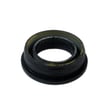
| Water leaking at the door | Door seals and gasket surfaces | Tub gasket W11177741 |
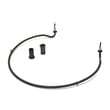
| Dishes stay wet | Heating and rinse aid performance | Element assembly W10703867 |
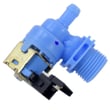
| Won’t fill or fills slowly | Water supply and inlet valve | Dishwasher water inlet valve W11175771 |
| Door drops open or won’t stay balanced | Door balance system | Dishwasher door balance link 8194001 |
Why it matters
Knowing the typical lifespan helps you decide whether to maintain, repair, or replace. For example, a small fix like a seal or inlet valve often makes sense, while repeated motor or control issues near the end of life can add up.
Helpful next steps
- Use rinse aid regularly; it improves drying and helps control hard-water deposits (noted in the installation guide).
- Expect longer cycle times on newer, energy-efficient designs; 2 to 5 hours per load is normal for many cycles (also noted in the installation guide).
- If you’re seeing fault codes, match them to symptoms using KitchenAid he dishwasher error codes.
Last updated: February 2026
What are the known issues with KDTM354EBS2?
For the KitchenAid KDTM354EBS2 dishwasher, the most common “known issues” customers report are leaks, unusual noise, poor cleaning, not draining, and not drying. Many of these symptoms trace back to installation setup, water supply, door sealing, or wash system parts; our owner's manual and installation guide help you pinpoint the cause.
Most common symptoms and what usually causes them
- Leaking: door seal wear, tub gasket damage, loose hose connections, or an unlevel install
- Noisy: items contacting the spray arm, a worn pump/motor area, or debris in the sump
- Not cleaning well: clogged filters/sump, low water fill, spray arm blockage, or diverter issues
- Not draining: kinked drain hose, blocked air gap/waste tee, or drain path restriction
- Not drying: rinse aid empty, heater circuit issue, or cycle/option selection
Quick checks we recommend first
- Confirm the door is latching fully; the Start/Resume light can flash if the door is not closed within 3 seconds.
- Verify water is entering early in the cycle; after about 2 minutes on a short cycle, there should be water in the bottom of the tub.
- Check the drain routing: avoid kinks, do not cut the ribbed section of the drain hose, and confirm the air gap or high loop setup.
- Level and secure the dishwasher; shims must be firmly attached so the unit does not shift during operation.
Parts that commonly solve these symptoms (when replacement is needed)
| Symptom | Part to check | Example part for KDTM354EBS2 |
|---|---|---|
| Leaking at door | Door seals/gaskets | Tub gasket W11177741, dishwasher door seal, lower W10909089 |
| Not draining | Drain hose | Dishwasher drain hose 8269144A |
| Not filling or fills slowly | Water inlet valve | Dishwasher water inlet valve W11175771 |
| Not drying | Heater circuit | Element assembly W10703867 |
Why it matters
This KitchenAid dishwasher is designed to run longer cycles (often 2 to 5 hours) to save water and energy; that makes correct fill, proper draining, and good sealing even more important for cleaning and leak prevention.
Last updated: February 2026
What is the most reliable KitchenAid dishwasher?
KitchenAid reliability is strongest in models that combine a stainless steel tub, proven wash system, and simpler feature sets; for many homes, a mid to upper series KitchenAid (often the 200 to 600 series range) delivers the best long-term dependability. Your KitchenAid KDTM354EBS2 is built as a stainless steel tub undercounter dishwasher; following the owner's manual and using rinse aid consistently helps it stay reliable.
What “most reliable” usually means in real kitchens
Reliability is less about one perfect model and more about the features and habits that reduce stress on the pump, heater, and controls.
- Stainless steel tub and solid door sealing to prevent leaks
- Consistent water fill and proper hot water supply connection
- Good filtration and spray performance (less debris load on the pump)
- Effective drying (less moisture lingering around the door and console)
- Correct installation so the unit is stable and hoses are routed properly
Reliability checklist for your KDTM354EBS2
These steps prevent the most common dishwasher failures (leaks, poor washing, no-fill, no-drain).
- Use rinse aid; energy-efficient dishwashers depend on it for drying and to reduce hard-water buildup.
- Expect longer cycles (often 2 to 5 hours); longer run time is normal and supports cleaning with less energy.
- Make sure the door is fully closed when starting; the Start/Resume light can flash if the door is not closed quickly after pressing Start.
- Confirm the dishwasher is connected to a hot water supply line (helps cleaning and reduces heater strain).
- Keep the drain path clear and the drain hose routed correctly.
Parts that most often affect “reliability” symptoms
If you are troubleshooting leaks, filling, or draining issues, these model-compatible parts are common fixes:
| Symptom | Common part to check | What it does |
|---|---|---|
| Leaking at the door | Tub gasket W11177741 | Seals the tub/door opening area to help prevent water escape |
| Not filling or filling slowly | Dishwasher water inlet valve W11175771 | Controls water entering the dishwasher |
| Not draining | Dishwasher drain hose 8269144A | Carries drain water to the sink drain/disposer |
Why it matters
A “reliable” dishwasher is one that avoids leaks and keeps water moving correctly. Good installation, hot water supply, rinse aid use, and timely replacement of wear parts (seals, valves, hoses) do more for long-term dependability than chasing a single model name.
Last updated: February 2026