Owner’s manual
 Error Codes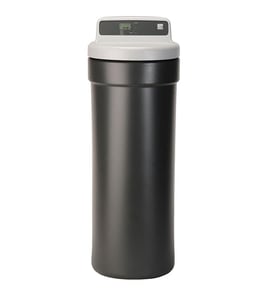




How long does a 40 lb bag of water softener salt last?
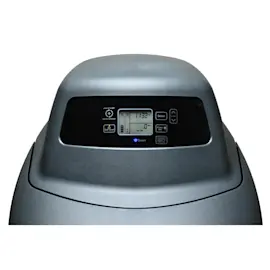
For the GE GNSF35Z01 water softener, a 40 lb bag of salt commonly lasts several weeks to a couple of months; actual use depends on your water hardness, household water use, and how often the unit regenerates. Our best baseline is to monitor the brine tank level and refill before it gets low.
What the manual says (and what it means)
In the GNSF35Z01 owner’s manual, GE notes that 80 to 100 lb of salt can last for several months depending on water hardness and family size. That puts a 40 lb bag in a practical range of about 4 to 8+ weeks for many homes, with shorter runtimes when hardness or usage is high.
Quick estimate guide
Use this as a starting point, then adjust based on what you see in your brine tank.
- 1 to 2 people, moderate hardness: often 6 to 10 weeks per 40 lb
- 3 to 4 people, moderate hardness: often 4 to 8 weeks per 40 lb
- Very hard water, high usage, or iron present: often 2 to 6 weeks per 40 lb
- Humid basement or damp area: plan to add less salt more often to reduce caking
How to track salt use accurately
GE’s best practice is to check salt level soon after installation and then regularly.
- Check the salt level a few weeks after setup, then weekly
- Refill when the brine tank is about 1/3 to 1/2 full
- Do not let the softener run completely out of salt (hard water returns quickly)
- Use clean salt at least 99.5% pure; nugget, pellet, or coarse solar salt works best
Salt type and environment tips
| Situation | Best approach | Why |
|---|---|---|
| Humid/damp install location | Add smaller amounts more often | Helps prevent salt bridging and caking |
| Iron in water (clear-water iron) | Use recommended iron-fighter salt options | Helps keep resin cleaner and performance steadier |
| Frequent refills needed | Recheck hardness setting and regeneration schedule | Over-regeneration wastes salt |
Why it matters
Salt use is a direct indicator of how efficiently your water softening system is regenerating. Tracking how long a 40 lb bag lasts helps you spot issues early, such as overly frequent regeneration, salt bridging, or changes in water hardness.
Last updated: February 2026
Is it worth repairing a water softener?
Yes, repairing a GE GNSF35Z01 water softener is worth it when the problem is a normal wear item or maintenance issue (seals, gaskets, a switch, salt problems) and the unit is otherwise in good shape; these repairs typically restore soft water without the cost and disruption of a full replacement.
Quick decision checklist
- Repair when you have steady soft water most of the time and the issue is recent.
- Repair when the problem points to common service parts (leaks at the valve, poor brining, position sensing).
- Repair when the cabinet and tanks are intact and not cracked.
- Replace when the system has repeated failures in different areas within a short period.
- Replace when the resin bed is exhausted and multiple major components also need work.
Common repairs that are usually worth it on GNSF35Z01
Many performance issues come from the valve and control side, not the tanks.
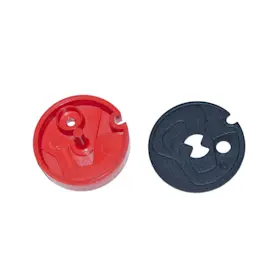
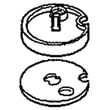
- Valve leaking or bypassing hard water: consider a seal refresh such as the seal kit 7129716.
- Poor regeneration draw or weak brine action: inspect/clean the nozzle and venturi area; the gasket kit 7187772 is commonly involved.
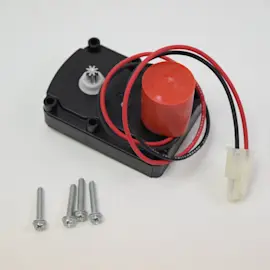
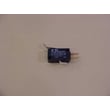
- Stuck in a cycle or not indexing correctly: check the rotor position sensing; the switch 7030713 is a typical fix.
Cost and effort comparison (rule of thumb)
| Situation | Typical best choice | Why |
|---|---|---|
| Minor leak, worn seals, or a single failed switch | Repair | Lower cost, fast restore of soft water |
| One major part plus basic maintenance | Repair | Extends life without replacing tanks |
| Multiple major parts plus resin issues | Replace | Costs and downtime add up |
Why it matters
A softener that is only slightly off can waste salt and water during recharge (factory recharge time is typically set for overnight). Fixing the root cause helps protect plumbing, improves soap performance, and keeps regeneration predictable. For safety and correct setup (power, drain, salt type, and placement), follow the GNSF35Z01 owner’s manual.
Last updated: February 2026
What are common problems with water softeners?
Common problems with the GE GNSF35Z01 water softener include no soft water, water that turns hard sometimes (often during regeneration), salt bridging in the brine tank, low flow/pressure, and control or regeneration issues. Most fixes start with checking salt level, bypass position, drain hose routing, and control settings in the GNSF35Z01 owner’s manual.
Most common symptoms and what they usually mean
- No soft water: salt level low, bypass set to bypass, hardness setting too low, or brine not being made due to a salt bridge.
- Water hard sometimes: hot water used while the unit is recharging; the water heater can refill with hard water during regeneration.
- Low water pressure/low flow: mineral or debris buildup in the nozzle/venturi area or screens.
- Regeneration problems: drain hose restricted, drain height too high, or a control/position sensing issue.
- Leaks: worn seals or O-rings in the valve area.
Quick checks we recommend first (5 minutes)
- Confirm the outlet has power and the transformer is plugged in.
- Make sure the salt tank is at least 1/3 full.
- Verify the bypass valve is in service (not bypass).
- Check the drain hose is open to a drain, unobstructed, and not routed higher than 8 ft above the softener.
- Review the hardness setting and adjust to match your water supply.
Troubleshooting map (symptom to next step)
| Symptom | Most likely area | Best next step |
|---|---|---|
| No soft water | Salt, bypass, hardness setting | Break salt bridge; verify settings; run diagnostics |
| Hard water during recharge | Normal operation | Avoid hot water use during recharge |
| Low flow | Nozzle/venturi, screens | Clean passages and screens |
| Error code or odd display | Power/control | Unplug transformer, correct issue, restore power |
| Valve leaking | Seals/O-rings | Inspect and replace sealing components |
Parts that commonly solve these problems
If you find wear, nicks, or buildup in the valve area, these model-compatible parts are often involved:
- Seal kit 7129716 (WS35X10005): helps address internal valve sealing and leakage.
- Gasket kit 7187772 (WS8X10005): supports proper nozzle/venturi sealing and flow.
- Switch 7030713 (WS21X10003): used when the system has position sensing or control timing issues.
Why it matters
Hard water symptoms (scale, spotting, poor lathering) usually mean the softener is not making brine correctly, not regenerating correctly, or is being bypassed. Catching salt bridging, drain restrictions, and incorrect hardness settings early prevents wasted salt and inconsistent water quality.
Last updated: February 2026
What is the life expectancy of a GE water softener?
A GE water softener like model GNSF35Z01 typically lasts 10 to 15 years. Lifespan depends most on water quality (hardness and iron), correct salt type, and keeping the valve and nozzle/venturi area clean per the GNSF35Z01 owner's manual.
What affects lifespan the most
- Water hardness and iron levels: higher minerals mean more frequent recharge and more wear.
- Salt quality: use evaporated or pellet salt; avoid rock or block salt that can create sediment and maintenance issues.
- Salt bridging and mushing: can prevent proper brine draw and lead to poor softening.
- Nozzle and venturi cleanliness: buildup can reduce brine draw and cause repeated performance problems.
- Drain setup and back pressure: a restricted drain hose can prevent proper recharge.
Quick maintenance checklist (best ROI)
- Break up salt bridges and keep the brine tank from crusting.
- Clean the nozzle and venturi assembly when softening performance drops.
- Keep the drain hose routed correctly with an air gap at the drain point.
- Use the right salt to reduce sediment and valve fouling.
- If you see leaking at the valve area, plan a seal refresh with the seal kit 7129716.
Typical lifespan by component
| Component | Typical service life | What failure looks like |
|---|---|---|
| Resin media (beads) | 10 to 15 years | Hard water returns, frequent recharges |
| Valve seals/rotor area | 5 to 10 years | Leaks, stuck cycles, noisy operation |
| Power transformer/electronics | 7 to 12 years | Dead display, won’t advance cycles |
Why it matters
A softener can still “run” while delivering hard water. Staying ahead of salt issues, iron fouling, and seal wear helps the GNSF35Z01 maintain capacity, reduce scale, and avoid premature valve damage.
Last updated: February 2026