Owner’s manual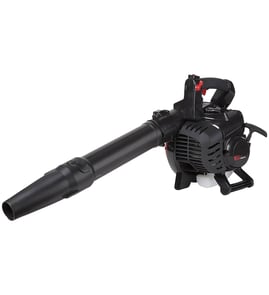



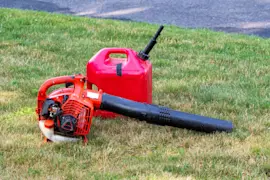
What is the life expectancy of a gas leaf blower?
A gas leaf blower like the Craftsman 316794711 typically lasts about 10 years with normal homeowner use and consistent maintenance (clean air filtration, fresh fuel practices, and routine ignition checks). Heavy use, dusty conditions, and neglected fuel storage shorten lifespan.
What affects lifespan the most
- Fuel quality and storage: Old fuel and ethanol-related varnish can damage the carburetor and fuel system.
- Airflow and filtration: A restricted filter makes the engine run rich and lose power.
- Ignition health: A worn plug or damaged lead wire can cause hard starting and misfires.
- Cooling and cleanliness: Debris buildup around the engine cover can trap heat.
- How it’s used: Long wide-open throttle sessions and dusty jobs increase wear.
Maintenance checklist (best return on effort)
- Replace the spark plug on schedule; use the correct plug type for this blower (see the 316794711 owner’s manual).
- Keep the air filter clean and properly seated.
- Empty or stabilize fuel before storage; run the engine dry if your manual recommends it.
- Inspect fuel lines and the tank for leaks or soft spots.
- Check fasteners and housings so vibration does not cause damage.
Quick “life expectancy” guide
| Usage pattern | Typical life | What usually fails first |
|---|---|---|
| Light seasonal homeowner use | ~10+ years | Fuel system gumming, normal wear items |
| Regular weekly use | ~7 to 10 years | Carburetor issues, ignition wear |
| Heavy or commercial-style use | ~3 to 7 years | Engine wear, vibration-related failures |
Why it matters
A blower that is nearing end-of-life often costs more in downtime and repeated fuel-system repairs than it does in simple preventive maintenance. Staying ahead of ignition and fuel issues keeps starting easy and power consistent.
Last updated: January 2026
What is the best gas-powered leaf blower on the market?
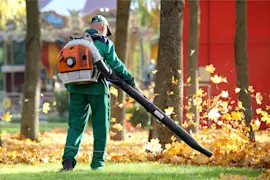
The best gas-powered leaf blower depends on how you’ll use it: handheld blowers are easier for quick cleanup, while backpack blowers are best for long sessions and heavy debris. For a Craftsman blower like model 316794711, we recommend comparing CFM, MPH, weight, and serviceability using the 316794711 owner’s manual.
How we recommend choosing “best”
Use these factors to match the blower to your yard and workload:
- Air volume (CFM): Higher CFM moves more leaves at once.
- Air speed (MPH): Higher MPH helps lift wet leaves and stubborn debris.
- Weight and balance: Lighter handheld units reduce fatigue; backpack units carry weight better.
- Starting and controls: Easy-start systems and a stable throttle/trigger matter for daily use.
- Maintenance access: Easy air filter and spark plug access keeps performance consistent.
Handheld vs. backpack: quick comparison
| Type | Best for | Typical tradeoff |
|---|---|---|
| Handheld gas blower | Small to medium yards, quick driveway and patio cleanup | More arm fatigue over time |
| Backpack gas blower | Large yards, long run times, heavy leaf season | Higher cost and more storage space |
What “top of the market” usually looks like
Across major brands, the highest-rated gas blowers typically share these traits:
- Strong CFM/MPH for the blower class
- Comfortable grip or harness with good vibration control
- Reliable carburetion and consistent idle
- Readily available tune-up parts (air filter, fuel lines, spark plug)
- Clear maintenance intervals and specs in the manual
Why it matters
A blower that is “best” on paper can feel wrong if it is too heavy, too loud for your use case, or hard to maintain. Matching performance (CFM/MPH) to comfort and upkeep usually delivers the best real-world results.
Last updated: January 2026
How to find Craftsman leaf blower model number?
Your Craftsman leaf blower model number is printed on a factory ID label attached to the unit; for model 316794711, that label is typically on the engine housing or the rear of the blower body. Use the model number to match the correct parts list and diagrams in the 316794711 owner's manual.
Where to look on a Craftsman leaf blower
Check these common label locations first:
- Side of the engine/motor housing (near the starter or air filter cover)
- Rear of the blower body (near the handle or harness area)
- Bottom of the unit (near the base or frame)
- Near the fuel tank area (on the tank or adjacent plastic shroud)
- Under a removable cover (engine cover or intake cover)
What the label usually shows
Most labels include more than one identifier. Use the model number for parts lookup.
| Label item | What it’s used for | Example format |
|---|---|---|
| Model number | Correct parts and diagrams | 316794711 |
| Serial number | Production tracking | Letters and numbers |
| Engine family/code | Engine reference | Varies by engine |
Tips if the label is dirty or hard to read
- Wipe the area with a damp rag and mild soap; avoid soaking decals.
- Use a flashlight at an angle to make faint printing easier to see.
- Take a close-up photo and zoom in to read worn characters.
- Write the number down exactly as shown (including any dashes).
Why it matters
Craftsman blowers can look similar across model families, but parts like the carburetor gasket, ignition components, and fuel tank can differ by model. Using the exact model number helps ensure you get the right diagrams and compatible replacement parts the first time.
Last updated: January 2026
Are gas leaf blowers being phased out?
Yes. Gas leaf blowers like the Craftsman 316794711 are being phased out in many areas because of noise and air-quality rules; the change usually happens city-by-city (and sometimes by state), not all at once nationwide. We recommend checking your local ordinance and using the 316794711 owner's manual to confirm safe operation and maintenance while you still use it.
What “phased out” usually means
Most policies fall into one of these categories:
- Use restrictions: limited hours/days you can operate a gas blower
- Noise limits: decibel caps that effectively restrict older blowers
- Sales restrictions: bans on selling new gas blowers in certain areas
- Commercial rules: stricter limits for landscaping crews than homeowners
- Seasonal enforcement: rules enforced more heavily during peak leaf season
How to decide what to do with your 316794711
If you can still use your blower legally, keeping it reliable comes down to fuel and ignition basics.
- Use fresh, properly mixed fuel (stale fuel is the top cause of hard starting)
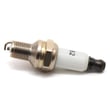
- Replace a worn plug if starting is inconsistent (see spark plug 794-00082)
- Keep the air intake and filter area clean to prevent bogging
- Inspect fuel lines and the tank for leaks or cracking
- Store it dry or stabilized during the off-season
Quick comparison: gas vs battery blowers
| Feature | Gas blower (like 316794711) | Battery blower |
|---|---|---|
| Noise | Typically louder | Typically quieter |
| Maintenance | Fuel, plug, air filter, carburetor | Battery care, less engine maintenance |
| Runtime | Refill and go | Limited by battery capacity |
| Cold starts | Can be finicky | Push-button, consistent |
Why it matters
Local restrictions can affect when you can use your blower, whether you can buy replacement equipment, and what a landscaper can legally run in your neighborhood. Knowing the rules helps you avoid fines and plan upgrades on your timeline.
Last updated: January 2026