 Error Codes


How do you reset the heating on a GE dryer?
On the GE gas dryer model DCLR333GT0WW, there is no separate “heat reset” button; the practical reset is a power reset plus correcting the most common no-heat causes (airflow restriction or an ignition system fault). Unplug the dryer (or switch off the breaker) for 1 minute, then restore power and test a timed dry cycle.
Quick reset and heat check (DCLR333GT0WW)
- Turn the dryer off.
- Unplug the power cord (or turn the breaker off) for 60 seconds.
- Restore power.
- Set Timed Dry and High Heat (avoid Air Fluff/No Heat).
- Start the dryer and listen for burner ignition within a minute or two.
If it still will not heat: most common causes
A GE gas dryer needs strong airflow and a working ignition sequence. Check these first:
- Lint screen and venting: clean the lint screen; confirm the vent hood outside opens and blows strongly.
- Gas supply: confirm the gas shutoff valve is fully open.
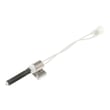
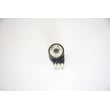
- Igniter not glowing: a failed igniter is common; see dryer burner igniter WE04X25996.
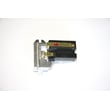
- Ignites then shuts off: a weak flame-sensing circuit can stop heat; see dryer radiant sensor WE4X448.
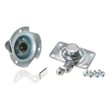
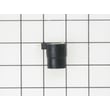
- No start or intermittent start: the dryer must run for heat; a failing start switch can prevent proper operation; see dryer rotary start switch WE4X881.
What you should observe (normal vs. abnormal)
| What you see/hear | What it usually means | What to check next |
|---|---|---|
| Drum runs, heat returns after reset | Control glitch or temporary condition | Monitor; clean venting |
| Drum runs, no heat, igniter never glows | Ignition circuit issue | Igniter, sensors, wiring |
| Igniter glows, no flame | Gas valve or sensing issue | Gas supply, valve assembly |
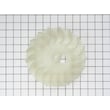
| Heat is weak, clothes take long to dry | Airflow restriction | Vent path, blower wheel |
Why it matters
A “reset” only clears a temporary control state. If airflow is restricted, the dryer can overheat and cycle heat off; if the igniter or sensor is failing, the burner will not light reliably, so drying times increase and performance drops.
For step-by-step diagnostics, use our gas dryer wont heat troubleshooting video.
Last updated: February 2026
Where is my thermal fuse located on my GE dryer?
On the GE DCLR333GT0WW gas dryer, the thermal fuse is typically mounted on the blower housing inside the cabinet, near where the exhaust duct connects. You usually access it by removing the rear panel (or front panel on some builds) and locating the small, flat safety device with two wires.
Where to look on the dryer
Most GE gas dryers place the thermal fuse in the airflow path so it can sense overheating.
- Unplug the dryer before opening any panels
- Shut off the gas supply valve as an added safety step
- Remove the lint screen and check the lint chute for buildup first
- Access the blower housing area (commonly behind the rear panel)
- Look for a small plastic or metal fuse with 2 wire terminals
- Take a photo of wire positions before disconnecting anything
Quick access checklist (what you will remove)
| What you remove | What it gets you access to | What you can inspect nearby |
|---|---|---|
| Rear panel (common) | Blower housing and exhaust outlet area | Lint buildup, blower wheel, fuse/thermostats |
| Front panel (some designs) | Blower housing from the front | Belt, idler pulley, drum supports |
How to confirm you found the right part
A thermal fuse is a one-time safety device; if it is blown, the dryer often will not run or will run with no heat depending on the circuit design.
- It will have two wires connected to it
- It is mounted with one or two screws to the blower housing or duct
- It should read closed/continuity on a multimeter when good
- If it is open (no continuity), replace it and correct the overheating cause
Why it matters
The thermal fuse opens when the dryer overheats, usually from restricted airflow. If you replace the fuse without fixing the venting or lint restriction, the new fuse can fail again quickly. Use our dryer not drying clogged lint screen steps to address the most common airflow restriction points.
Last updated: February 2026
What is the average lifespan of DCLR333GT0WW?
The average lifespan of the GE DCLR333GT0WW gas dryer is about 13 years. Regular vent cleaning, avoiding overloads, and replacing wear parts as they fail (like drum bearings or an idler pulley) helps you reach that typical service life.
Typical lifespan and what affects it
Most residential gas dryers fall into a predictable range; your results depend mainly on airflow, load size, and maintenance.
- Vent restriction is the biggest life-shortener (overheats the dryer and stresses the motor and burner system).
- Overloading accelerates wear on the drum support system and drive components.
- High-heat cycles used constantly can increase thermal stress on sensors and igniter.
- Lint buildup inside the cabinet raises operating temperature and can cause premature failures.
- Worn drum support parts create drag that strains the motor.
Parts that commonly wear as a dryer ages
If your DCLR333GT0WW is noisy, slow to start, or not heating consistently, these model-matched parts are common fixes:
| Symptom | Common wear area | Example part for this model |
|---|---|---|
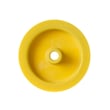
| Squealing, rumbling, thumping | Drum support | Dryer drum front bearing WE3X77 |
| Squealing, belt slack, poor tumbling | Belt tension system | Idler pulley WE12X83 |
| Runs but no heat or intermittent ignition | Ignition system | Dryer burner igniter WE04X25996 |
Why it matters
Knowing the typical lifespan helps you decide whether to maintain, repair, or refresh key components. On a 10 to 15 year old dryer, restoring airflow and replacing a few wear parts often improves drying time and reduces strain on the motor and gas burner system.
Last updated: March 2026





