 Installation guide
 Owner’s manual
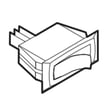


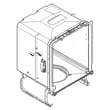

What are the commonly replaced parts in a dishwasher?
On the Frigidaire FBD2400KB4A dishwasher, the most commonly replaced parts are the wash and drain components (spray arm, drain pump, hoses), water-fill parts (inlet valve, float switch), and leak or wear items (door seal, gaskets, rack rollers). These parts fail most often from clogs, leaks, and normal wear.
Most common replacements (and what they fix)
- Spray and wash action: spray arm, pump and motor parts (poor cleaning, weak spray)
- Draining: drain pump, drain hose (water left in tub after a cycle)
- Filling: water inlet valve, float switch (won’t fill, overfills, intermittent fill)
- Heating and drying: heating element (poor drying, cool wash water)
- Leaks: door seal, sump gasket, pump O-rings (water on floor)
- Rack wear: dishrack rollers, upper or lower rack (rack won’t roll, rust, broken wheels)
Parts we see replaced often for FBD2400KB4A
| Symptom | Likely part area | Example part for this model |
|---|---|---|
| Leaks at the door | Door sealing | Dishwasher door seal 809006501 |
| Not filling or fills slowly | Water supply and fill | Dishwasher water inlet valve 154637401 |
| Water left in bottom of tub | Drain system | Dishwasher drain pump A00126501 |
| Not drying well | Heating circuit | Frigidaire dishwasher heating element 154825001 |
Quick checks that prevent repeat failures
The manual calls out a few performance basics that directly affect how often parts get replaced:
- Keep incoming water temperature at 120°F (49°C) or higher
- Confirm home water pressure is 20 to 120 psi
- Load racks so items do not block the spray arm from rotating
- Use fresh automatic dishwasher detergent and measure correctly
- If you see leaks, confirm the dishwasher is level (installation-related)
For model-specific operating and troubleshooting guidance, use the FBD2400KB4A owner’s manual.
Why it matters
Replacing the right part the first time saves money and prevents secondary damage; for example, a small door-seal leak can mimic a drain problem, and low water temperature can look like a wash motor issue.
Last updated: February 2026
What is the most common problem with a Frigidaire dishwasher?
The most common Frigidaire dishwasher problems (including model FBD2400KB4A) are poor cleaning from blocked spray action, draining issues that leave water in the tub, and leaks caused by suds, leveling, or worn seals. We start by checking loading, water temperature, and basic maintenance in the FBD2400KB4A owner's manual.
Most common symptoms and what usually causes them
- Food soils left on dishes: items blocking the spray arm or tower, low water temperature, low water pressure, or poor loading (nesting).
- Water left in the bottom of the tub: a drain restriction or a drain system problem.
- Leaks: too much detergent or the wrong detergent causing foam, rinse aid spills causing overflow, or the dishwasher not being level.
- Detergent left in the cup: old detergent, blocked dispenser door, or poor water action reaching the dispenser.
Quick checks we recommend first (fastest wins)
- Confirm incoming water is at least 120°F (49°C).
- Verify home water pressure is 20 to 120 psi.
- Reload to prevent blocking the spray arm/tower and avoid nesting.
- Use fresh automatic dishwasher detergent and measure carefully.
- Wipe up any rinse aid spills right away.
- Make sure the dishwasher is level (leveling affects leaks and door sealing).
When it points to a part
If the symptom persists after the checks above, these parts are common suspects on FBD2400KB4A:
| Symptom | Common part to inspect | What to look for |
|---|---|---|
| Leaking at the door | Dishwasher door seal 809006501 | Tears, flattening, gaps, or debris on the sealing surface |
| Not drying well | Frigidaire dishwasher heating element 154825001 | No heat during dry, poor evaporation |
| Not filling or fills slowly | Dishwasher water inlet valve 154637401 | Clogged inlet screen, weak fill |
Why it matters
Most “dishwasher problems” are really water delivery and spray coverage problems. Correct water temperature, proper loading, and clear spray paths restore cleaning performance and help prevent detergent residue, odors, and repeat leaks.
Last updated: February 2026
What is the average lifespan of a Frigidaire dishwasher?
A Frigidaire dishwasher typically lasts about 10 years with normal household use. For the Frigidaire FBD2400KB4A, consistent cleaning, correct detergent use, and proper water conditions (hot water and adequate pressure) are the biggest factors in reaching that lifespan.
Typical lifespan range (what we see most often)
- Average: 10 years
- Common range: 7 to 12 years
- Shorter life happens when: heavy daily use, hard water scale, frequent clogs, or chronic leaks
| Usage and conditions | Typical outcome | What helps most |
|---|---|---|
| Light use, good water quality | 10 to 12 years | Regular cleaning and correct loading |
| Average family use | About 10 years | Hot water at the sink before starting |
| Heavy use, hard water | 7 to 10 years | Rinse aid, filter and spray arm checks |
What extends the life of the FBD2400KB4A
We recommend these habits because they directly support wash performance and reduce strain on the pump, heater, and seals:
- Run hot water at the sink first so incoming water is at least 120°F.
- Keep home water pressure in the 20 to 120 psi range.
- Use fresh dishwasher detergent and a rinse aid; avoid overfilling the rinse aid dispenser.
- Load so items do not block spray movement; avoid nesting.
- Periodically inspect for leaks around the door and bottom edge.
Parts that commonly affect longevity
Small leaks and poor drying often lead to bigger failures over time. These parts are common wear items:
- Dishwasher door seal 809006501 (helps prevent door-edge leaks)
- Frigidaire dishwasher heating element 154825001 (supports drying and wash temperature)
- Drain hose 807117001 (helps prevent slow drains and backups)
Why it matters
A dishwasher that is filling with cooler water, running with low pressure, or leaking at the door seal usually cleans worse and runs longer; that extra stress shortens the life of the motor, pump, and electrical components.
For model-specific operating and care details, follow the FBD2400KB4A use and care manual.
Last updated: February 2026
Can I replace dishwasher parts myself?
Yes, for the Frigidaire FBD2400KB4A dishwasher, we can replace many common parts ourselves if we shut off power and water first and follow the correct steps. Simple jobs like fixing leaks at the door or swapping a spray component are usually DIY-friendly; wiring and plumbing repairs take more care.
What’s realistic to DIY (and what isn’t)
DIY success mostly depends on whether the repair is mechanical (easier) or involves wiring/water connections (more risk).
- Good DIY candidates: door seals, racks/rollers, spray components, some gaskets
- Moderate difficulty: drain hose routing, drain pump replacement, inlet valve replacement
- Higher risk: junction box wiring, diagnosing timer or harness issues
- Always start with safety: disconnect electrical power at the breaker and turn off the water supply
- Use model-specific steps: follow the FBD2400KB4A installation guide for securing, leveling, and wiring practices
Parts we commonly replace on this model
If you’re troubleshooting a leak, poor cleaning, or a no-fill/no-drain symptom, these are common wear items for the FBD2400KB4A.
| Symptom | Common DIY check | Part that often fixes it |
|---|---|---|
| Water leaking at the door | Inspect for tears, flattening, debris | Dishwasher door seal 809006501 |
| Not filling or fills slowly | Verify water supply is on; check valve | Dishwasher water inlet valve 154637401 |
| Not draining | Check hose for kinks; clear sink/disposer path | Drain hose 807117001 |
| Dishes not drying well | Confirm heated dry use; check heater circuit | Frigidaire dishwasher heating element 154825001 |
Key safety and installation points (worth following)
The installation instructions for this dishwasher call out several details that matter during DIY repairs:
- Keep the electrical cable away from the motor area
- Make tight junction box connections (hot, neutral, and ground)
- Secure the dishwasher so it cannot tip when the door opens
- Confirm the unit rests on the floor (do not hang it from the countertop)
- Check water and drain lines for kinks before running a cycle
Why it matters
A dishwasher repair is usually straightforward when the machine is stable, level, and safely powered down. Most repeat leaks, poor wash results, and drain problems come from a worn seal, a restricted hose, or a failing valve or pump, not from the tub itself.
Last updated: February 2026





