Owner’s manual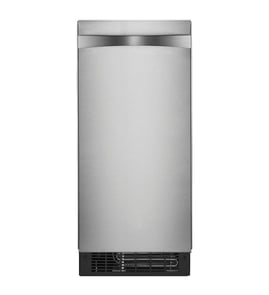

What is the life expectancy of an ice maker?
Most freestanding ice makers, including the Edgestar IB650SS, last 5 to 10 years with normal use. Regular cleaning, good water quality, and keeping the condenser and water system maintained are what most directly extend service life (and keep ice production consistent). See the owner's manual for the maintenance schedule and cleaning details.
Typical lifespan by ice maker type
| Ice maker type | Typical life expectancy | What usually ends it first |
|---|---|---|
| Freestanding (like IB650SS) | 5 to 10 years | Scale buildup, pump wear, control issues |
| Refrigerator ice maker | 5 to 8 years | Fill valve, mold heater, module failure |
| Commercial-style undercounter | 7 to 12 years | Heavy use, scale, airflow restrictions |
What makes an ice maker last longer
We see the biggest lifespan gains when these basics are done consistently:
- Clean and sanitize the ice-making system on schedule (more often with hard water)
- Keep the condenser clean so the compressor can shed heat efficiently
- Maintain proper water supply and drainage so minerals rinse out during harvest
- Do not store bottles or other items in the ice bin (labels can clog the drain)
- Use the unit regularly; if it sits unused, clean it thoroughly before restarting
Signs your ice maker is nearing end of life
These symptoms usually mean a major component is struggling (compressor, pump, valves, or controls):
- Runs but makes very little ice, or cycle times get much longer than normal
- Frequent leaking, overflowing, or slow draining
- Loud new noises beyond normal water splash, fan airflow, or cubes dropping
- Ice quality changes (soft cubes, excessive clumping, heavy mineral taste)
Why it matters
The IB650SS makes ice in freeze and harvest cycles; mineral impurities concentrate in the sump during freezing and are rinsed away during harvest. If cleaning and rinsing are neglected, scale builds up, efficiency drops, and parts like the water pump and valves wear out faster. For performance tips that also reduce strain on the system, use tips for better ice from an ice maker.
Last updated: February 2026
What is the most common reason for an ice maker not working?
For the Edgestar IB650SS freestanding ice maker, the most common reason it “isn’t working” is a basic start-up or supply issue: the unit is unplugged, the power switch is OFF, or the main water tap is closed. A full ice bin can also stop operation automatically until ice is removed (this is normal behavior).
Quick checks we recommend first
- Confirm the ice maker is plugged into a properly grounded outlet.
- Make sure the front-panel power switch is set to ON.
- Verify the main water supply and the water tap are fully ON.
- Check the ice storage bin; if the ice-full sensor/probe is covered, remove ice so the probe is clear.
- Look for obvious leaks at the water supply connection and at the drain.
- Keep the door closed except when taking ice; frequent door opening slows production.
What “not working” usually means (and what to do)
| What you see | Most likely cause | What to do next |
|---|---|---|
| No lights, no sound | No power | Plug in; check house fuse/breaker; then re-test |
| Runs, then stops with a full bin | Ice-full sensor covered | Remove ice; make sure the probe is free of ice |
| Starts, but no water feeds in | Water tap OFF or supply line issue | Turn on tap; recheck supply line connection |
| Makes ice slowly or bin won’t fill | Airflow or condenser issue | Ensure vents are clear; clean the condenser |
Why it matters
This model is designed to stop automatically when the bin is full and restart when the ice level drops. Water supply and power-switch settings are the fastest fixes, and they prevent unnecessary troubleshooting of components like the inlet valve, pump, or control box.
When to move beyond basics
If the red, green, and yellow LEDs flash together, the manual indicates a control box fuse issue and the unit will not operate. Use the troubleshooting steps in the owner's manual and, if needed, contact Sears PartsDirect support.
Last updated: February 2026
What are the parts of the ice maker machine?
An Edgestar IB650SS freestanding ice maker is built around a refrigeration system (to freeze), a water system (to circulate and refill), and controls/sensors (to start, stop, and protect the unit). In the owner's manual, you will see these parts working through freeze and harvest cycles.
Main parts you will typically find
These are the core components that make ice and move water through the machine:
- Compressor: pumps refrigerant to create the cold surface for freezing
- Evaporator (freezing surface/mold area): where water freezes into cubes
- Fan motor: moves air to help the refrigeration system reject heat
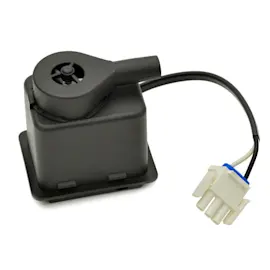
- Water pump (circulation/recirculation pump): sprays and circulates water over the evaporator
- Water sump/trough: holds the initial charge of water used during the cycle
- Water inlet valve: opens to add fresh water (especially during harvest)
- Hot gas valve: opens during harvest to warm the freezing surface so cubes release
- Drain outlet/drain line connection: carries excess and mineral-laden water out of the unit
- Ice storage bin: collects harvested ice
- Ice-full sensor: stops ice making when the bin is full and restarts when ice level drops
How those parts work together (freeze vs. harvest)
The IB650SS runs two repeating cycles:
| Cycle | What you notice | Key parts active |
|---|---|---|
| Freeze | Water sprays on the evaporator and ice forms | Compressor, fan motor, water pump |
| Harvest | Cubes release into the bin and fresh water enters | Compressor, hot gas valve, water inlet valve |
A complete cycle commonly takes about 20 to 40 minutes, depending on temperature and operating conditions.
Why it matters
Knowing the major parts helps you troubleshoot faster. For example, if the unit runs but makes no ice, we focus on water flow (pump, inlet valve, sump) and the freeze system (compressor, fan) before moving to sensors and controls.
Quick checks tied to these parts
- Confirm the power switch is ON and the unit is plugged in
- Verify the water supply tap is ON while the ice maker is running
- Check for leaks at water connections and at the drain
- Keep the door closed except when taking ice (reduces melting and improves formation)
- Discard the first batch of ice after installation or long storage
For symptom-based troubleshooting steps, use freestanding ice maker troubleshooting.
Last updated: February 2026
Is it worth repairing an ice maker?
Yes, repairing an Edgestar IB650SS freestanding ice maker is worth it when the problem is a normal wear item or maintenance issue (cleaning, water supply, airflow) and the total repair cost stays well below the price of a replacement; major sealed-system failures usually make replacement the better value.
Quick decision checklist
- Repair if the unit still powers on and the issue is intermittent, noisy, leaking, or low production.
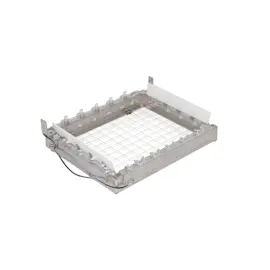
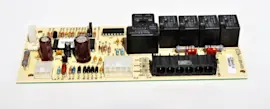
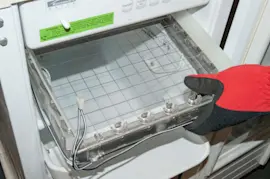
- Repair if the fix is cleaning, a water connection issue, or a replaceable component (pump, control board, cutter grid).
- Replace if the compressor or sealed refrigeration system is failing (poor cooling plus long run times).
- Replace if corrosion, repeated leaks, or multiple failures have occurred.
- Repair if you can confirm the problem using the troubleshooting steps in the owner's manual.
What to check first (often low-cost fixes)
Start with the basics that commonly stop ice production in freestanding units:
- Verify the power switch is ON and the outlet has power.
- Confirm the water supply tap is open and the supply line is connected.
- Make sure the ice-full sensor/probe is free of ice so the unit does not think the bin is full.
- Clean the condenser and confirm ventilation louvers are not blocked.
- If the unit sat unused, do a thorough cleaning and do not leave sanitizing solution inside.
For step-by-step symptom help, use freestanding ice maker troubleshooting.
Repair vs replace: simple cost guide
| Situation | Typical best choice | Why |
|---|---|---|
| Dirty condenser, airflow blocked, water supply issue | Repair | Restores normal performance quickly |
| Leaking from drain/hoses or minor fittings | Repair | Often localized and inexpensive |
| Runs but makes little or no ice | Repair first | Common causes are water, airflow, or recirculation |
| Compressor or sealed-system problem | Replace | Highest cost repair with the least payoff |
Why it matters
A freestanding ice maker like the IB650SS relies on steady airflow across the condenser and a consistent water feed. When either is restricted, you can get slow production, partial cubes, leaks, or shutdowns that look like a major failure but are often maintenance-related.
Last updated: February 2026