Owner’s manual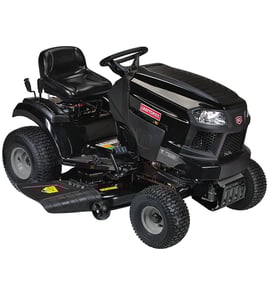

What are the common problems with Troy-Bilt lawn mowers?
Common problems we see on the Troy-Bilt 13AP60TP766 riding lawn tractor include no-start or no-crank conditions, rough running, uneven cutting, and excessive deck vibration. Most issues trace back to routine wear items (battery, belts, blades) or deck/drive components that are loose, bent, or worn.
Most common symptoms and likely causes
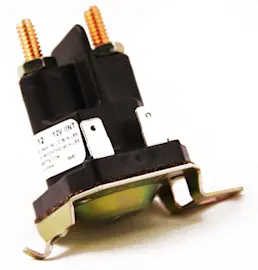
- Engine clicks but won’t turn over: weak battery, corroded battery cables, bad starter solenoid, or a safety switch not closing
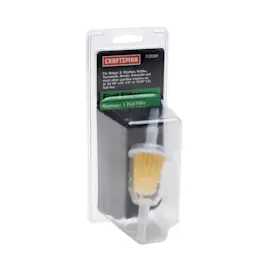
- Engine spins but won’t start: stale fuel, dirty air filter, fouled spark plug, or fuel delivery restriction
- Uneven cut or scalping: deck out of level, worn blades, incorrect tire pressure, or bent deck components
- Excessive deck vibration: out-of-balance blade, bent blade, damaged spindle bearings, or a bent pulley
- Poor drive or slipping: worn belt, misrouted belt, or a failing idler pulley bearing
- Steering play or wandering: worn steering gear, loose hardware, or worn bushings/bearings
Quick checks we recommend first (10 minutes)
- Park on a flat surface; set the parking brake and remove the key.
- Inspect the deck for packed grass and debris; clean it out.
- Check blade condition (bent, cracked, heavily nicked) and verify blade bolts are tight.
- Look for shiny metal dust or wobble at idler pulleys (a sign of bad bearings).
- Verify tire pressures match side-to-side; uneven tires cause uneven cutting.
Common wear items and what they affect
| Wear item | What you’ll notice | Typical fix |
|---|---|---|
| Battery/cables | Clicking, slow crank | Clean terminals, charge or replace battery |
| Deck belt/idlers | Squeal, vibration, poor cut | Replace belt or idler pulley |
| Blades/spindles | Vibration, streaking | Sharpen/replace blades; replace spindle bearings |
| Safety switches | No crank, dies when shifting | Test and replace faulty switch |
Helpful model-specific resources
- Use the 13AP60TP766 operator’s manual for safe operation limits (including slope guidance) and maintenance intervals.
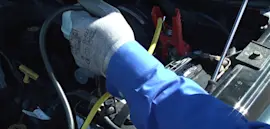
- For no-crank troubleshooting, follow the steps in riding lawn mower engine clicks but doesnt turn over video.
Why it matters
Catching vibration, belt wear, and loose hardware early helps protect the deck housing, spindle assemblies, and electric clutch from expensive damage and keeps your Troy-Bilt tractor cutting evenly.
Last updated: February 2026
How do I find the model number on my 13AP60TP766?
The model number is printed on your Troybilt riding mower’s model and serial number label. On model 13AP60TP766, that label is typically on the tractor frame under the seat or near the rear fender area; confirm the exact label location in the owner's manual.
Where to look on the tractor
Check these common label locations first:
- Under the seat on the frame or seat pan (lift the seat)
- On the rear fender or the rear frame crossmember
- Near the footrest area on the frame rail
- Under the hood near the engine compartment (less common)
- On the mower deck shell (sometimes a separate deck tag)
What to write down (and why)
Record the full model number and the full serial number exactly as shown. That information ensures the parts diagrams match your exact build.
- Model number (example: 13AP60TP766)
- Serial number (unique to your tractor)
- Any additional numbers on the tag (often a date code)
Quick check: model number vs. part number
Use this as a simple reference when ordering parts like belts, pulleys, or steering components.
| Item | What it identifies | Example format |
|---|---|---|
| Model number | The tractor version/build | 13AP60TP766 |
| Serial number | Your specific unit | Letters and numbers |
| Part number | The replacement part itself | 754-04077 |
Why it matters
Troybilt tractors can have small production changes within the same series; using the correct model and serial number helps us match the right deck parts, drive parts, and hardware the first time.
Last updated: March 2026
What is the average lifespan of 13AP60TP766?
A Troybilt front-engine lawn tractor like model 13AP60TP766 typically lasts 10 to 15 years with normal residential use and routine maintenance. Consistent oil changes, clean air filtration, and proper belt and deck care are what most directly extend service life; follow the owner's manual maintenance schedule.
What most affects lifespan
These items have the biggest impact on how long a riding mower lasts:
- Annual engine oil and filter service (or per-hour interval)
- Keeping cooling fins and air intake screens clear
- Replacing worn deck and drive belts before they slip or overheat
- Greasing and tightening steering and chassis hardware
- Storing the tractor dry and using fuel stabilizer during off-season
Wear items to plan for
Some parts are expected to wear over time; replacing them promptly prevents bigger failures.
| Wear item | Common symptom | Example part on this model page |
|---|---|---|
| Deck/drive belt | Slipping, squeal, poor cut or weak drive | Belt (see parts list for the correct belt by deck/drive location) |
| Idler pulley | Chirp/grind, belt jumping | Pulley 656P05011 |
| Electric PTO clutch | Blades will not engage, burning smell | Electric clutch 717-04174 |
Why it matters
Knowing the typical 10 to 15 year lifespan helps you decide whether to invest in maintenance and key replacements (belt, idlers, clutch) versus planning for a future upgrade.
Last updated: March 2026